Turkey is moving to cover more than half of its natural gas demand by 2028 through increased domestic production and expanded liquefied natural gas (LNG) imports, a shift that threatens to shrink the last major European market for Russian and Iranian gas suppliers.
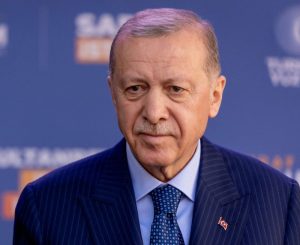
The move comes amid U.S. pressure on allies, including NATO member Turkey, to reduce energy ties with Moscow and Tehran. During a White House meeting on September 25, U.S. President Donald Trump pressed Turkish President Tayyip Erdogan to cut Russian gas purchases.
Diversifying supply would strengthen Turkey’s energy security and support its goal of becoming a regional gas hub. Analysts say Ankara plans to re-export imported LNG and domestically produced gas to Europe while burning Russian and Iranian gas domestically. “Turkey has been signalling that it will take advantage of the (global) LNG abundance,” said Sohbet Karbuz from the Paris-based Mediterranean Organisation for Energy and Climate.
Russia and Iran face expiring contracts
Russia remains Turkey’s largest supplier, but its market share has declined from over 60% two decades ago to 37% in the first half of 2025. Russia’s long-term pipeline contracts via Blue Stream and TurkStream, supplying 22 billion cubic metres (bcm) annually, are nearing expiration. Iran’s 10 bcm contract expires in mid-2026, while Azerbaijan’s 9.5 bcm contracts run until 2030 and 2033.
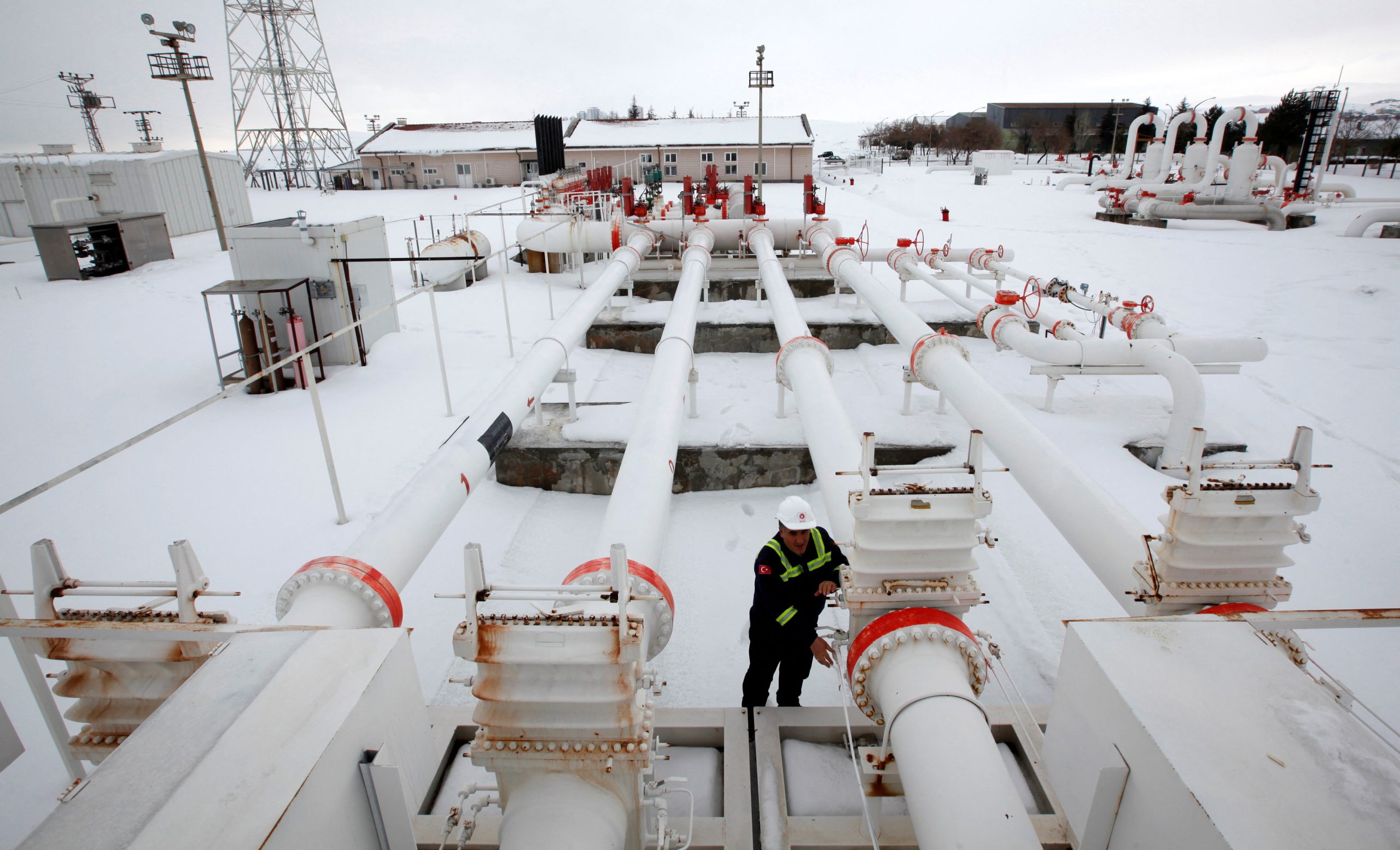
Turkey is expected to extend some contracts but likely on more flexible terms with smaller volumes to diversify supply. State-owned TPAO is increasing output from domestic gas fields, and new LNG import terminals allow gas shipments from the U.S. and Algeria. According to Reuters estimations, by 2028, domestic production and contracted LNG imports are projected to exceed 26 bcm annually, covering more than half of Turkey’s total demand of around 53 bcm.
U.S. LNG imports and regional ambitions
Turkey has signed $43 billion in LNG deals with U.S. suppliers, including a 20-year agreement with Mercuria. With 58 bcm annual LNG import capacity, the country can meet its entire demand. Despite this, Russian gas continues to flow at full capacity, with Ankara maintaining deep energy ties with Moscow.
Analysts note that Turkey could theoretically stop Russian imports in two to three years but may continue due to price competitiveness and surplus flexibility. Energy Minister Alparslan Bayraktar said Turkey must source gas from all available suppliers, including Russia, Iran, and Azerbaijan, while acknowledging that U.S. LNG offers cheaper alternatives.
By burning Russian and Iranian gas domestically and re-exporting its own production and imported LNG, Turkey could play a strategic role as Europe bans Russian energy imports by 2028. BOTAS, Turkey’s state pipeline company, has already signed small-volume supply deals with Hungary and Romania as part of its ambition to become a regional gas trading hub.
Beyond natural gas, Turkey maintains significant energy ties with Russia: Rosatom is building the country’s first nuclear plant, and Moscow remains Turkey’s top crude and diesel supplier.