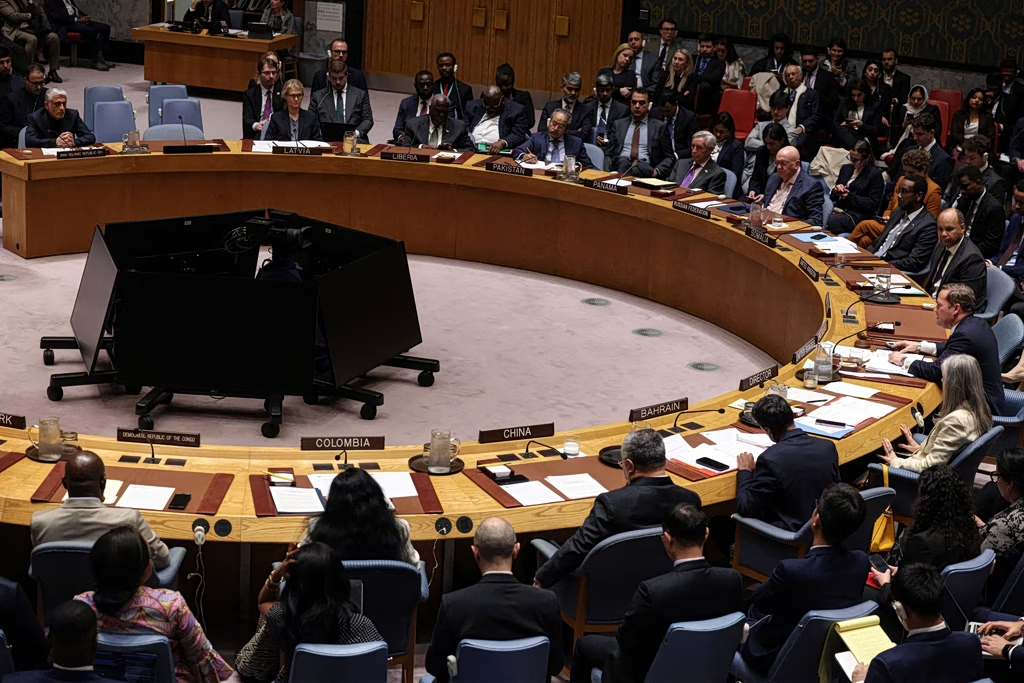
The United Nations Security Council has adopted a resolution condemning Iran’s attacks on Gulf countries, with Greece among the 135 nations supporting the move. The resolution demands an immediate cessation of Iran’s military actions, highlighting that these attacks violate international law and threaten regional stability.
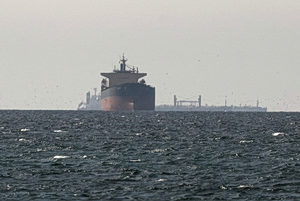
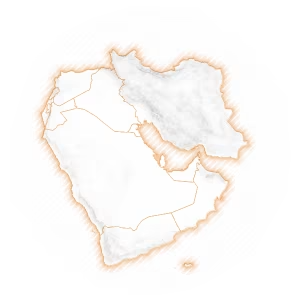
The resolution, co-sponsored by Bahrain and Jordan, passed with 13 votes in favor and two abstentions from China and Russia. It specifically addresses Iran’s strikes against residential and civilian areas in Bahrain, Kuwait, Oman, Qatar, Saudi Arabia, the United Arab Emirates, and Jordan, emphasizing the need to halt threats to maritime trade and support for proxy groups in the region.
Greece’s Response
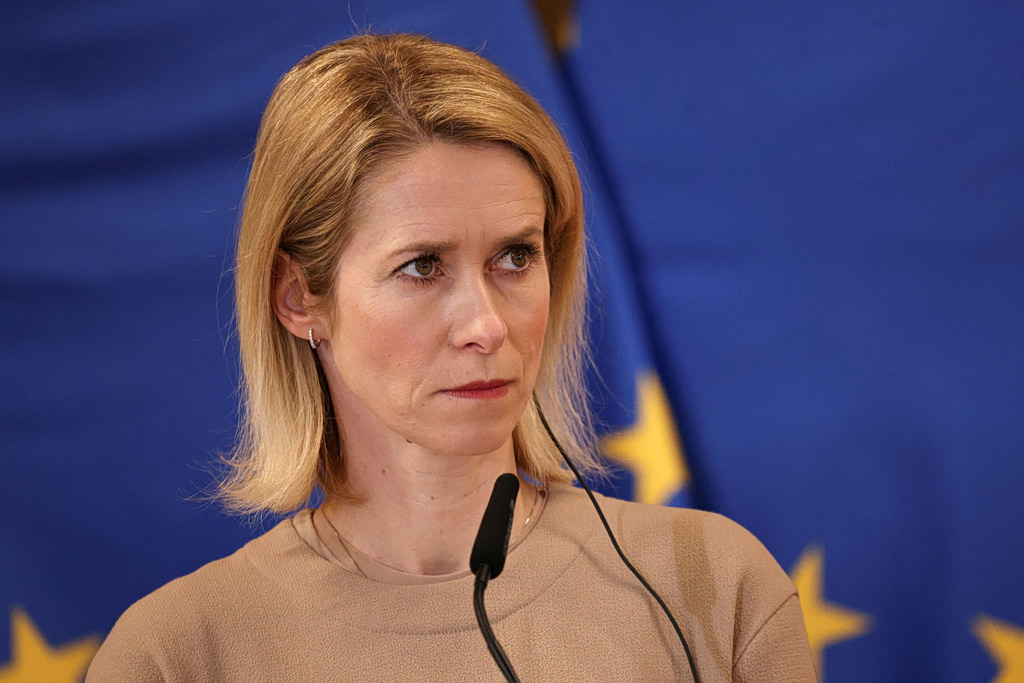
Greece’s UN ambassador, Aglaia Balta, explained the country’s support for the resolution, noting that Greece was among the first nations to co-sign the text. She reaffirmed Athens’ unequivocal condemnation of Iran’s attacks and expressed deep concern over the ongoing military escalation in the Gulf.
Ambassador Balta also urged maximum restraint from all parties and called for the restoration of reliable channels of dialogue, highlighting the risks posed by the conflict to maritime security, global trade, and energy supply. Greece’s stance reflects its commitment to international law and regional stability, aligning with a broad coalition of nations seeking to de-escalate tensions.
International Reactions
The United States, serving as Security Council President for March, praised the unified response, noting that countries with previous disagreements had aligned against Tehran’s aggression. France and Denmark echoed calls for immediate de-escalation, stressing respect for international law as the path to stability.
Iran and Israel Respond
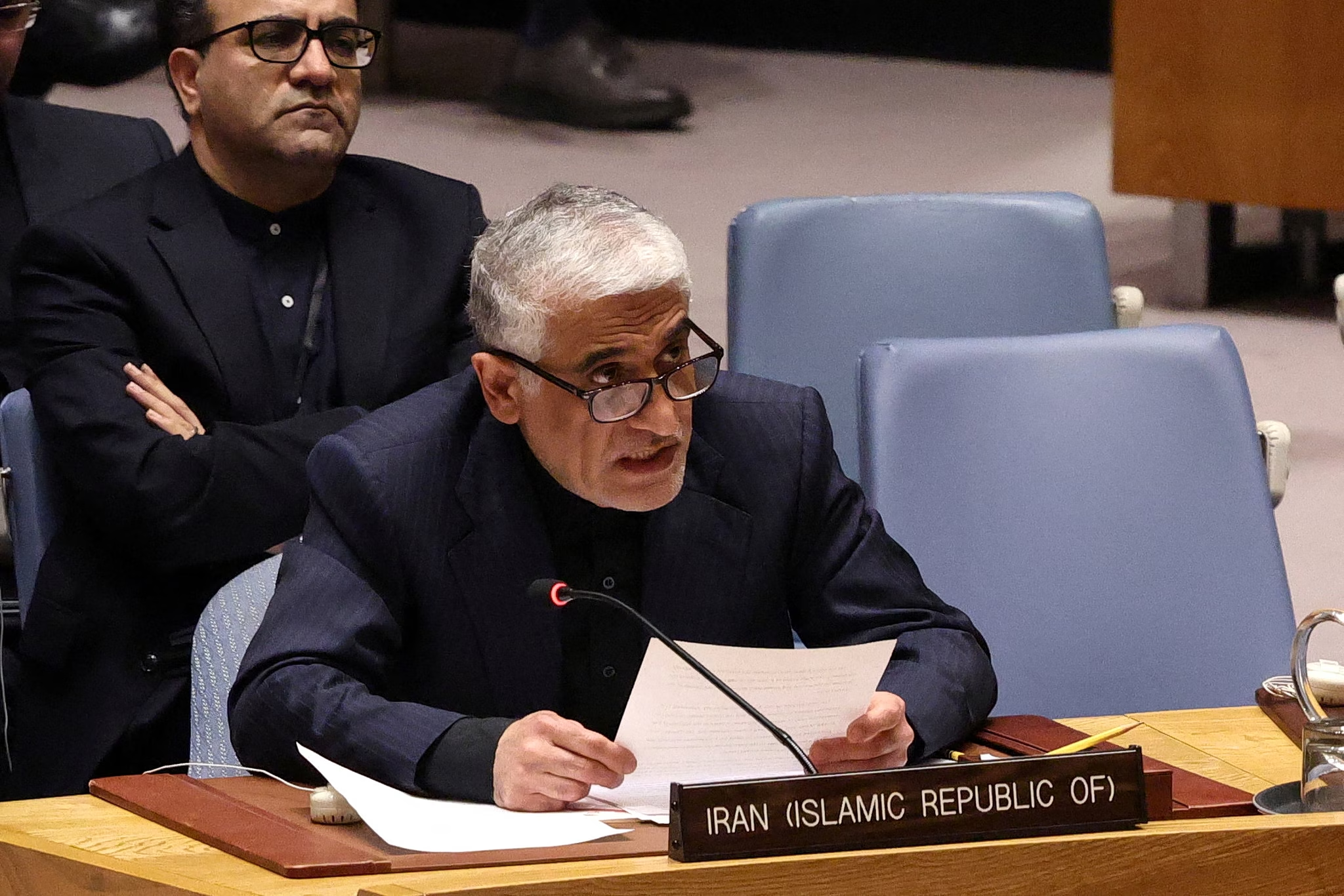
Iran’s UN representative, Amir Said Iravani, denounced the resolution as biased, claiming it was pushed by the US and Israel to portray Iran as the aggressor. He accused both nations of violating international law in earlier strikes.
Israel’s ambassador, Danny Danon, framed Iran’s aggression as a result of the regime’s desperation and highlighted Tehran’s role in supporting terrorism. He stressed that the resolution signals the international community’s patience with Iran’s actions has run out.
A second draft resolution proposed by Russia was rejected, with only four votes in favor and nine abstentions, amid claims that it failed to address Iran’s “overwhelming responsibility” for the conflict.