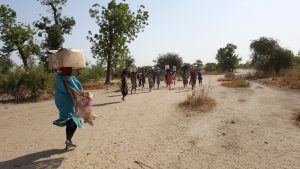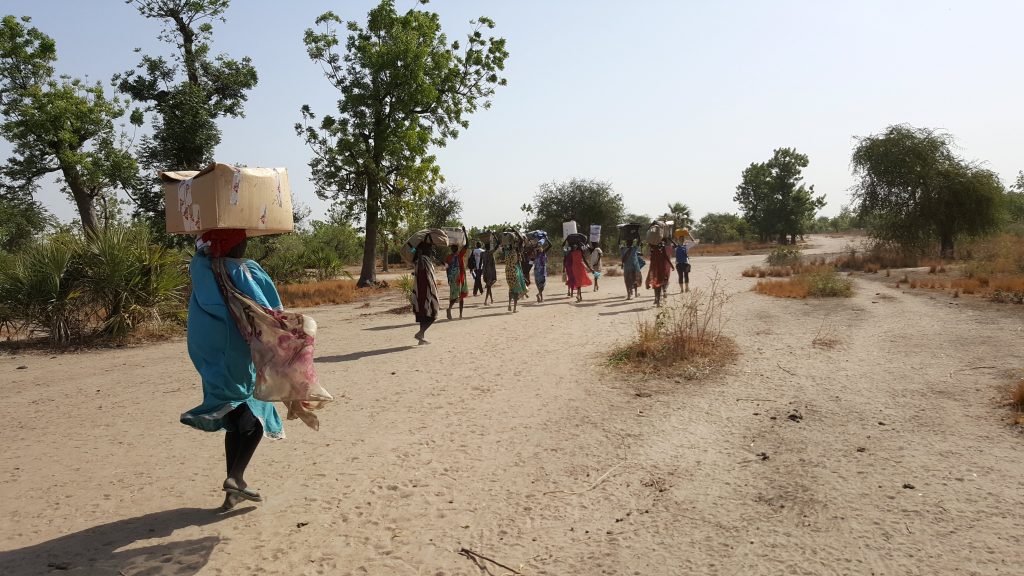
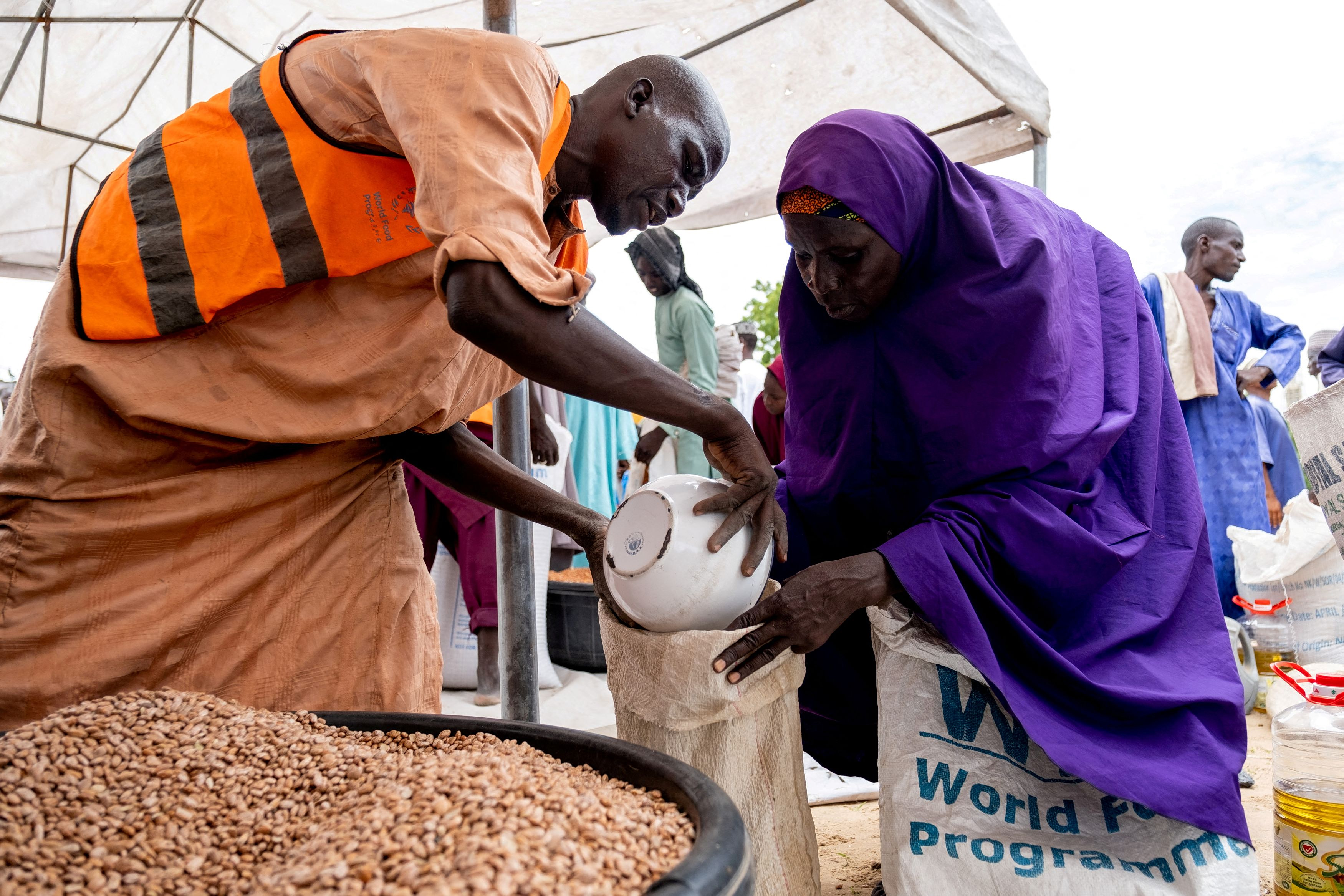
The United Nations on Thursday warned that nearly 35 million Nigerians are at risk of hunger in 2026, including 3 million children facing severe malnutrition, after a collapse in global aid budgets.
Speaking in Abuja at the launch of the 2026 humanitarian plan, UN Resident and Humanitarian Coordinator Mohamed Malick Fall said the long-standing, foreign-led aid model in Nigeria is no longer sustainable, even as needs continue to rise.
“These are not statistics. These numbers represent lives, futures and Nigerians,” Fall said, emphasizing the human impact behind the figures.
Dire Conditions in the Northeast
Conditions are especially severe in Nigeria’s conflict-hit northeast. Civilians in Borno, Adamawa, and Yobe states face escalating violence, with a surge in suicide bombings and widespread attacks claiming over 4,000 lives in the first eight months of 2025—matching the total toll of 2023.
The UN said it can deliver only $516 million in aid this year, targeting 2.5 million people—a sharp decline from 3.6 million in 2025, which itself was roughly half the number reached the previous year. Fall stressed that funding shortfalls mean the UN must prioritize only “the most lifesaving” interventions.
Impact on Children and Food Security
Last year, the World Food Program warned that millions could face hunger in Nigeria after depleting its resources in December 2025, forcing cuts in support for over 300,000 children. The 2026 plan signals that these challenges are set to intensify if funding gaps are not addressed.