Hundreds of thousands more children in Afghanistan could face acute malnutrition in 2026 as a worsening humanitarian crisis strains already limited resources, a United Nations official warned.
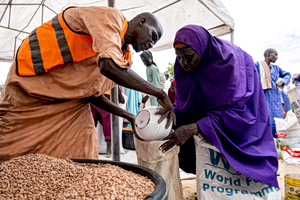
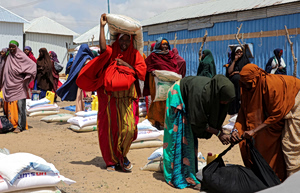
According to the World Food Program (WFP), about 3.7 million Afghan children will require treatment for acute malnutrition this year, including around 200,000 additional cases compared with previous estimates.
“Acute malnutrition among children is soaring,” WFP Country Director John Aylieff told a press briefing in Geneva. He said the surge recorded last year was the highest ever documented in Afghanistan.
However, funding shortages mean the agency currently has the resources to treat only one in four children in need of care.
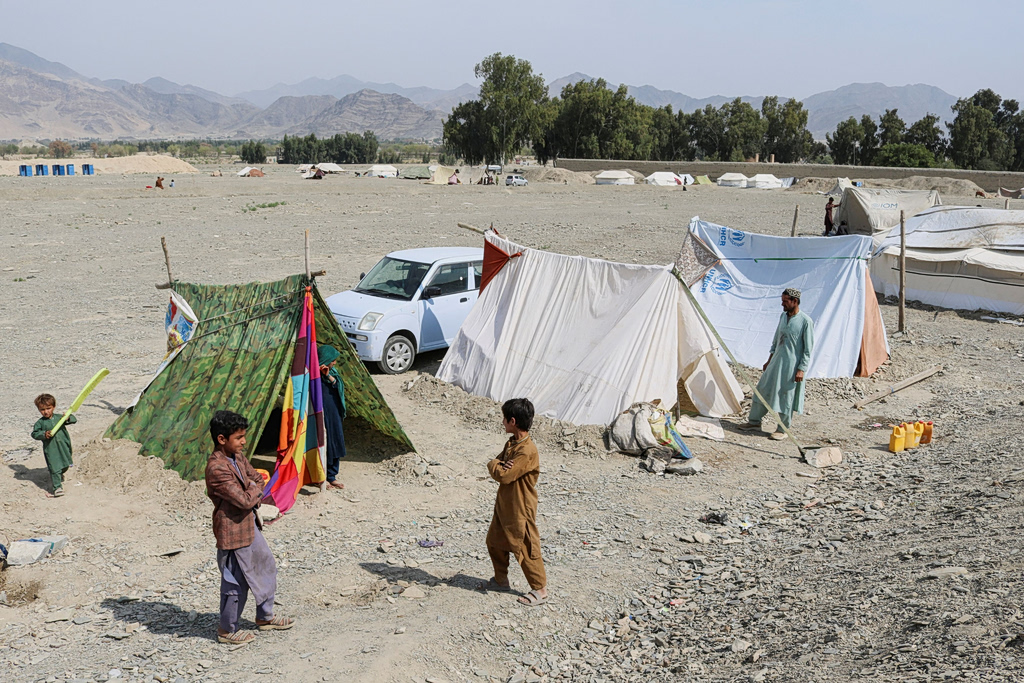
Displaced Afghan man and children, who fled following exchanges of fire between Pakistani and Afghan forces at a border crossing, stand beside a makeshift tent as they take refuge in Lal Pur district in eastern Nangarhar province, Afghanistan, March 4, 2026. REUTERS/Stringer
Funding Cuts and Winter Conditions Limit Aid
The crisis has been exacerbated by a sharp drop in international aid to Afghanistan since 2021. At the same time, harsh winter conditions are preventing many families from reaching medical clinics.
Snowfall has trapped communities in remote mountainous regions, raising fears that some malnourished children may not survive the winter.
“Most children who die in Afghanistan do so during the winter… at home silently,” Aylieff said. He warned that once the snow melts in late March or April, aid agencies could discover a “very high toll of child deaths” in isolated villages.
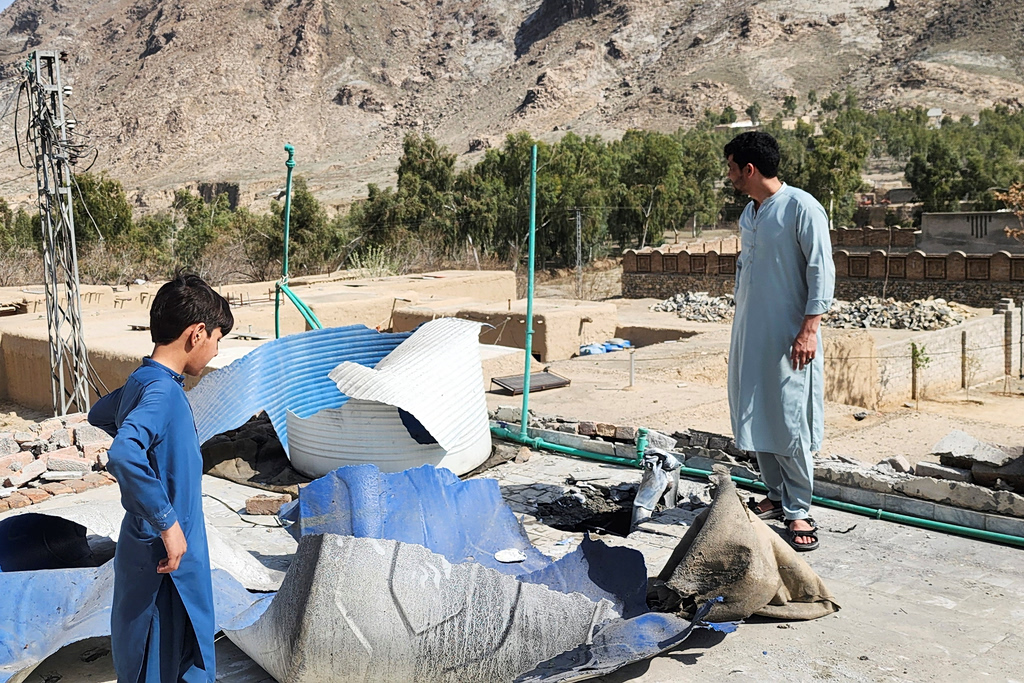
Residents inspect the debris of what locals say are the possible remains of an artillery shell that hit a residential house following exchanges of fire between Pakistani and Afghan forces at a border crossing in Darya Khan Afridi village in Landi Kotal, Pakistan, March 5, 2026. Picture taken with a mobile phone. REUTERS/Shahid Shinwari
Border Conflict Forces Aid Suspensions
The humanitarian situation has been further strained by a growing conflict along the Afghanistan–Pakistan border, where troops from both countries have exchanged fire across dozens of locations.
The United Nations says the week-long fighting has displaced more than 100,000 people, including about 115,000 in Afghanistan and 3,000 in Pakistan.
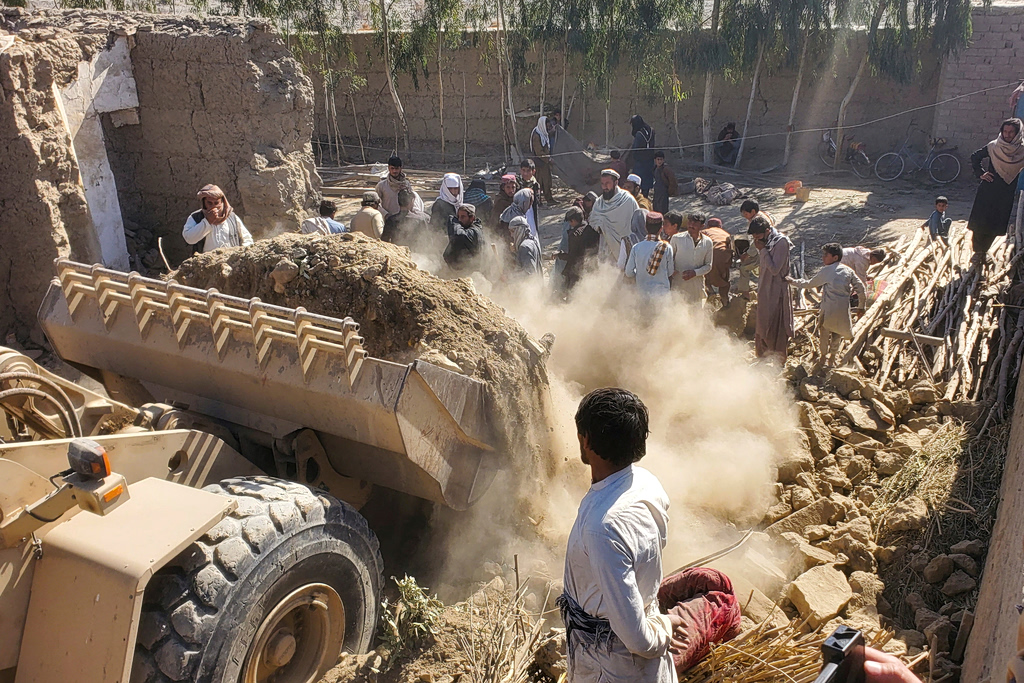
FILE PHOTO: Residents gather as machinery clears the debris of a damaged house, following the Pakistani air strikes, in Nangarhar, Afghanistan, February 22, 2026. REUTERS/Stringer/File Photo
Clashes have involved air strikes, artillery exchanges and attacks on military installations. Pakistan has conducted ground and air operations targeting locations including Kandahar, while Afghan authorities say their forces struck Pakistani military sites along the border.
The fighting has also forced the World Food Program to suspend some services in affected areas, limiting access to nutrition treatment and healthcare.
Returning Refugees Add Pressure
Humanitarian pressures have also grown due to mass returns of Afghans from neighboring countries. Expulsion policies in Pakistan and Iran have led to more than 5 million people returning to Afghanistan since late 2023, placing additional strain on food supplies and social services.
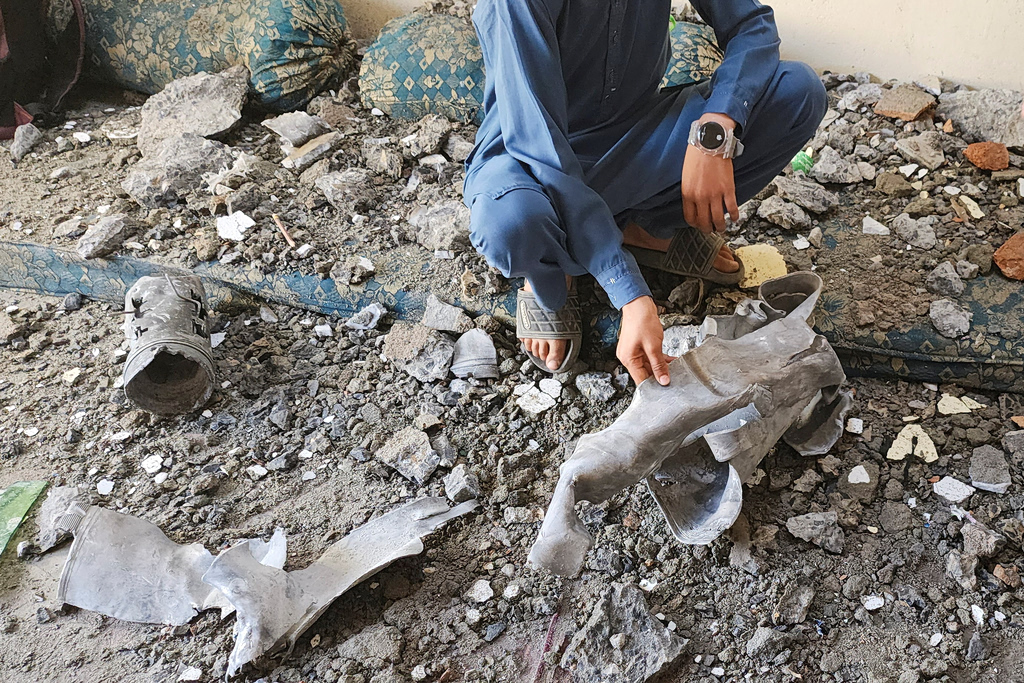
A boy inspects the debris of what locals say are the possible remains of an artillery shell that hit a residential house following exchanges of fire between Pakistani and Afghan forces at a border crossing in Darya Khan Afridi village in Landi Kotal, Pakistan, March 5, 2026. Picture taken with a mobile phone. REUTERS/Shahid Shinwari
Many returnees are settling near border areas now affected by the fighting, further complicating aid efforts.
Aylieff warned that continued violence could worsen the malnutrition crisis by preventing families from accessing clinics and humanitarian assistance.
“We foresee that acute malnutrition will be driven up further by the conflict as people are prevented from accessing health services,” he said, adding that tens of thousands of children could be at risk.