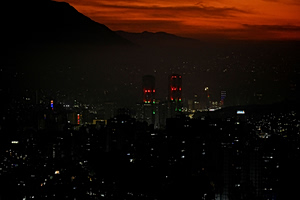
Tensions escalated across Latin America after U.S. action against Venezuela triggered brief border closures, military movements and sharp criticism from regional leaders, who warned of echoes of past American interventions in the region.
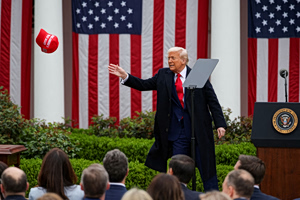
Trump said U.S. forces had captured Maduro and his wife, who he confirmed were heading to New York and Guantanamo Bay while facing criminal charges. He stated that Maduro suffered minor injuries but is alive. He also said Washington would be “very strongly involved” in Venezuela’s oil industry. “We have the greatest oil companies in the world, the biggest, the greatest, and we’re going to be very much involved in it,” he said to Fox News.
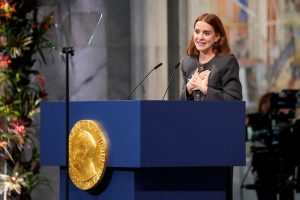
Trump stated that this operation was stalled for four days due to weather conditions while also weighing decisions on the country’s future leadership, with a possible consideration being that of Opposition leader Maria Corina Machado.
Colombian soldiers were seen patrolling the border with Venezuela, while Caracas closed its border with Brazil amid the unfolding crisis. Brazilian President Luiz Inacio Lula da Silva said on X that U.S. actions had crossed “an unacceptable line,” adding that the move recalled “the worst moments of interference in the politics of Latin America and the Caribbean.”
Although several Latin American governments oppose Venezuelan President Nicolás Maduro and argue he stole the 2024 election, direct U.S. intervention has reignited long-standing sensitivities. Many governments and populations in the region remain deeply wary of such actions due to a history of U.S. involvement in Latin American affairs.
Analysts and officials drew parallels with the Monroe Doctrine of 1823, which asserted U.S. influence in the Western Hemisphere, as well as the “gunboat diplomacy” practiced during Theodore Roosevelt’s presidency. The situation has also revived memories of the 1989 U.S. invasion of Panama, the last time Washington directly intervened militarily in the region to depose a leader, overthrowing Manuel Noriega.
U.S. Vice President JD Vance said President Donald Trump had given Maduro chances to halt drug trafficking and return what he described as “stolen oil.” In a post on X, Vance said Maduro was learning that Trump “means what he says,” adding that living “in a palace in Caracas” would not shield anyone from U.S. justice.
Venezuela’s Vice President Delcy Rodríguez is in Russia, sources told Reuters, while her brother, National Assembly head Jorge Rodríguez, remained in Caracas. This has been denied by Russia, stating that they are fake.