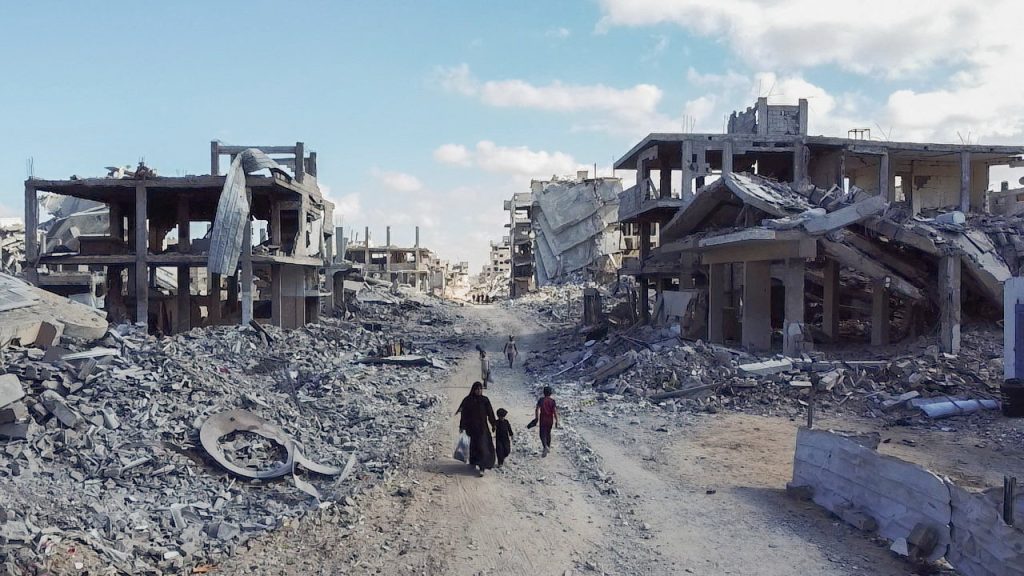
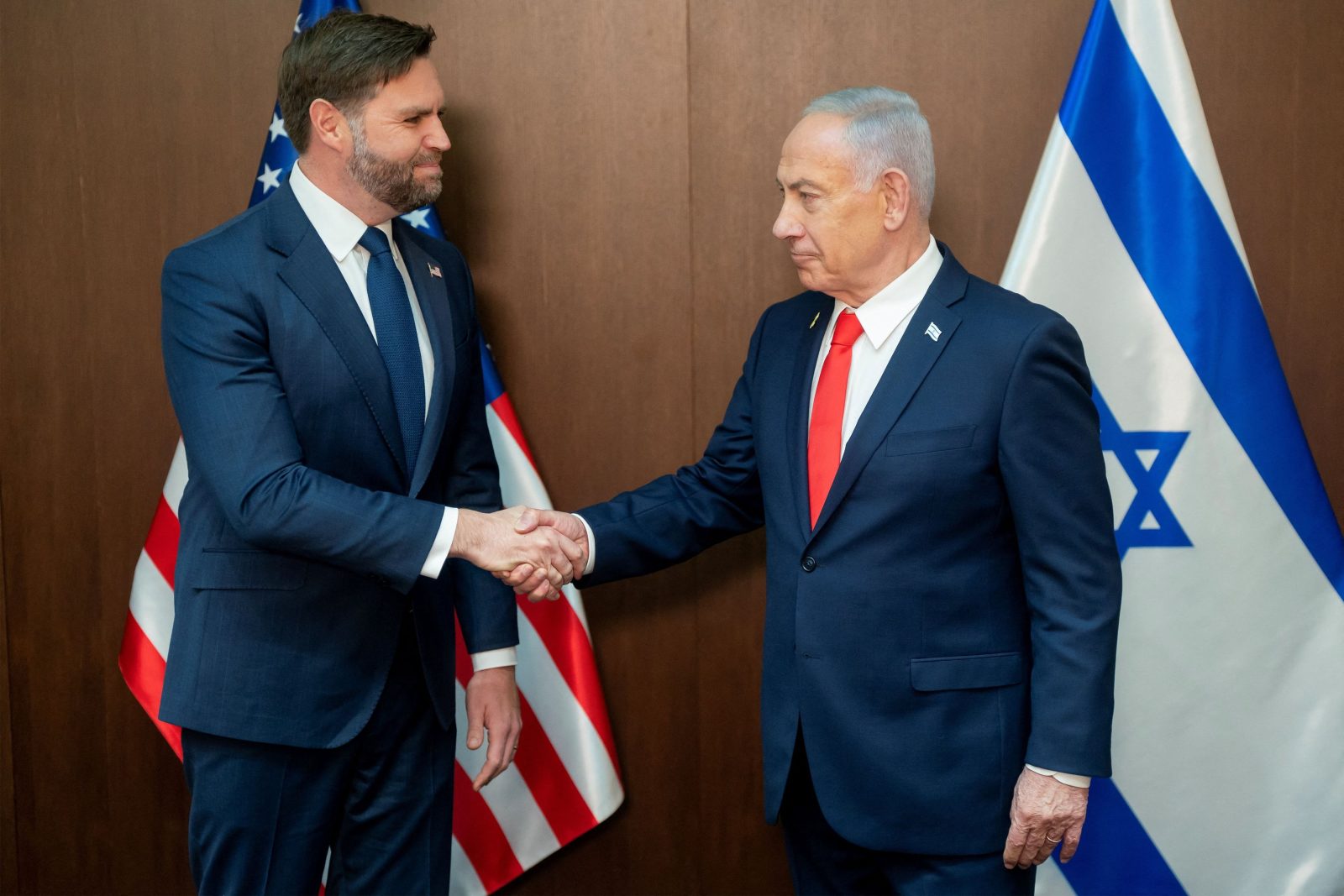
U.S. Vice President J.D. Vance said on Wednesday that the mission to disarm Hamas and rebuild Gaza will be “very difficult,” as outlined in the U.S.-brokered ceasefire agreement between Israel and Palestinian representatives.
Standing beside Israeli Prime Minister Benjamin Netanyahu after their meeting in Jerusalem, Vance said: “We have a very, very difficult mission ahead — to disarm Hamas, rebuild Gaza, improve life for the people there, and ensure Hamas is no longer a threat to our friends in Israel.”
Netanyahu confirmed that the two discussed “the day after” scenario for Gaza, describing it as an opportunity to establish a new political and security framework for the region. “We are creating an incredible next day with a completely new vision,” Netanyahu said. “It won’t be easy, but I believe it’s possible.”
Strengthening Middle East Alliances
Vance highlighted that the ceasefire plan also presents “an opportunity” for Israel to strengthen its ties with Middle Eastern nations and expand the Abraham Accords, which normalized relations between Israel and several Arab states in 2020. “This is a necessary step toward building a lasting alliance structure in the Middle East — one that allows the good people of this region to take control of their own future,” he said.
The U.S. administration hopes to revive and expand the Abraham Accords between Israel, the United Arab Emirates, Bahrain, and Morocco, aiming to build a more stable regional partnership.
“Israel Is an Ally, Not a Satellite State”
Netanyahu dismissed suggestions that Israel acts as a “satellite state” of the U.S., emphasizing the independent but allied nature of their relationship. “One week they say Israel controls the United States. The next week they say the United States controls Israel. It’s nonsense,” Netanyahu stated.
“We have a partnership of allies who share common values and goals. We may have disagreements, but our cooperation is strong — in both our objectives and how we achieve them.”
The Israeli leader added that his country’s recent military operations have “put the knife to Hamas’s throat” and successfully isolated the group across the Arab and Muslim world.
Vance, for his part, underlined that Washington seeks partnership rather than dominance: “We don’t want a satellite state, and Israel is not one. We want an ally. We want a partner here.”
He added that the U.S. envisions a Middle East where regional allies take greater responsibility for their own security and stability: “Our goal is to empower our partners so that the United States can focus less on direct involvement while ensuring lasting peace through regional leadership.”
“A Chance to Build a Lasting Alliance”
Vance also emphasized the importance of leveraging the Abraham Accords as a foundation for long-term cooperation. “This Gaza agreement is a crucial step toward revitalizing the Abraham Accords. It’s about building an alliance that will endure — one that allows the region’s responsible leaders to take ownership of their future. That’s in America’s interest, and in Israel’s too.”
Netanyahu concluded by stressing that while Israel makes independent decisions for its security, both nations are aligned on broader regional goals.“We make our own security decisions,” he said. “But we also make joint decisions for the region that serve both our countries’ interests.”