Northern countries consistently rank among the world’s happiest, with Finland leading as the top country in the World Happiness Report for the ninth consecutive year. This is remarkable given its harsh climate and long, dark winters, when sunlight—essential for mental health—is scarce. Despite these challenges, Finns report high life satisfaction. While factors like strong salaries, rule of law, robust welfare systems, and free, high-quality education and healthcare play a major role, they do not fully explain Finland’s success.
What makes the Finns so happy?
Emotional honesty
In Finland, there is a deep cultural acceptance of expressing emotions openly and authentically. As Meri Larivaara, Director of Strategic Affairs at MIELI Mental Health Finland, explains, there is greater tolerance for saying “I’m not okay” or “I don’t feel well.” This emotional honesty helps counter the pressure of “forced positivity,” allowing individuals to be genuine about their feelings. In turn, it reduces social isolation, fosters empathy, and encourages people to seek help when needed—strengthening both relationships and mental health.

Pexels
Work–life balance
Finns work hard but maintain a healthy 35–40 hour workweek, leaving time for rest and self-care. Short commutes further improve daily life. Compared to Greece, Finland has far less traffic congestion due to its smaller population, effective urban planning, reliable public transport, and widespread remote work—supporting both well-being and productivity.
A deep connection with nature
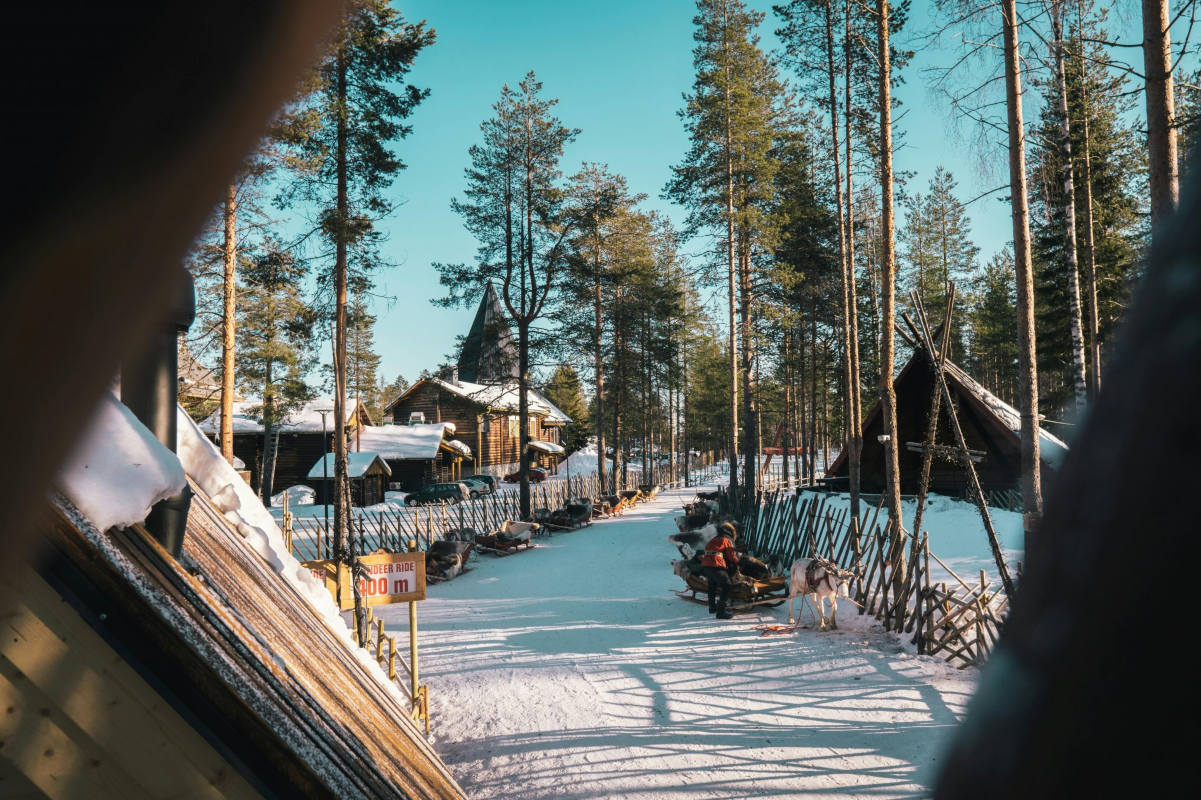
Nature is central to Finnish life. Everyman’s Rights (Jokamiehenoikeus), also practiced in Sweden and Norway, allows free access to forests, lakes, and coastlines for activities like camping, hiking, and foraging. This close connection to nature supports well-being and mental clarity.
Pexels
Lifelong learning and new skills
In Finland, learning continues beyond school, with people regularly developing new skills through everyday activities or classes. This fosters confidence, cognitive flexibility, and a sense of achievement, while also encouraging social connections and enriching daily life.
Humility over showmanship
Modesty is central to Finnish culture, with people avoiding displays of wealth and living simply. Less influenced by social media and comparison, they maintain a calmer, more grounded mindset.
High levels of trust
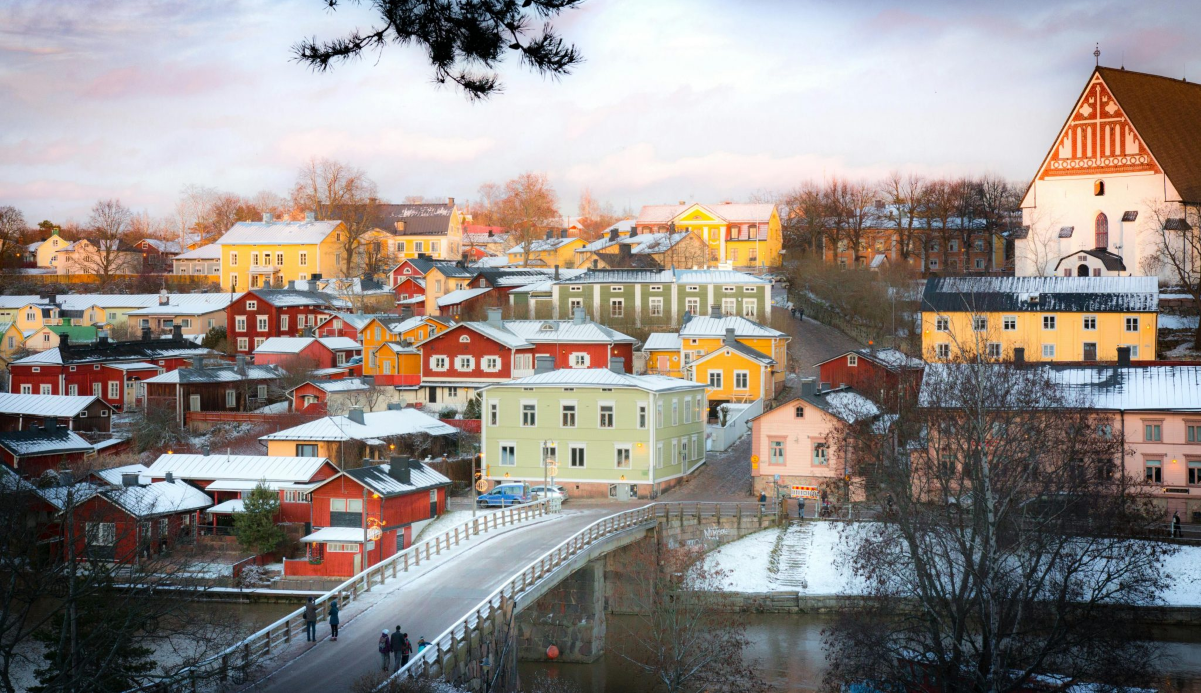
Trust defines Finnish society, from everyday interactions to confidence in institutions like the police and education system. This reduces anxiety, strengthens social bonds, and creates a sense of security that supports overall well-being.
Pexels
Equality and freedom
Finland prioritizes social equality, ensuring access to affordable or free education, healthcare, and childcare. Equality also extends beyond economics: women are well represented in politics and the workforce, and LGBTQ+ rights are actively protected. This sense of fairness reinforces trust and social cohesion.
Contentment over constant excitement
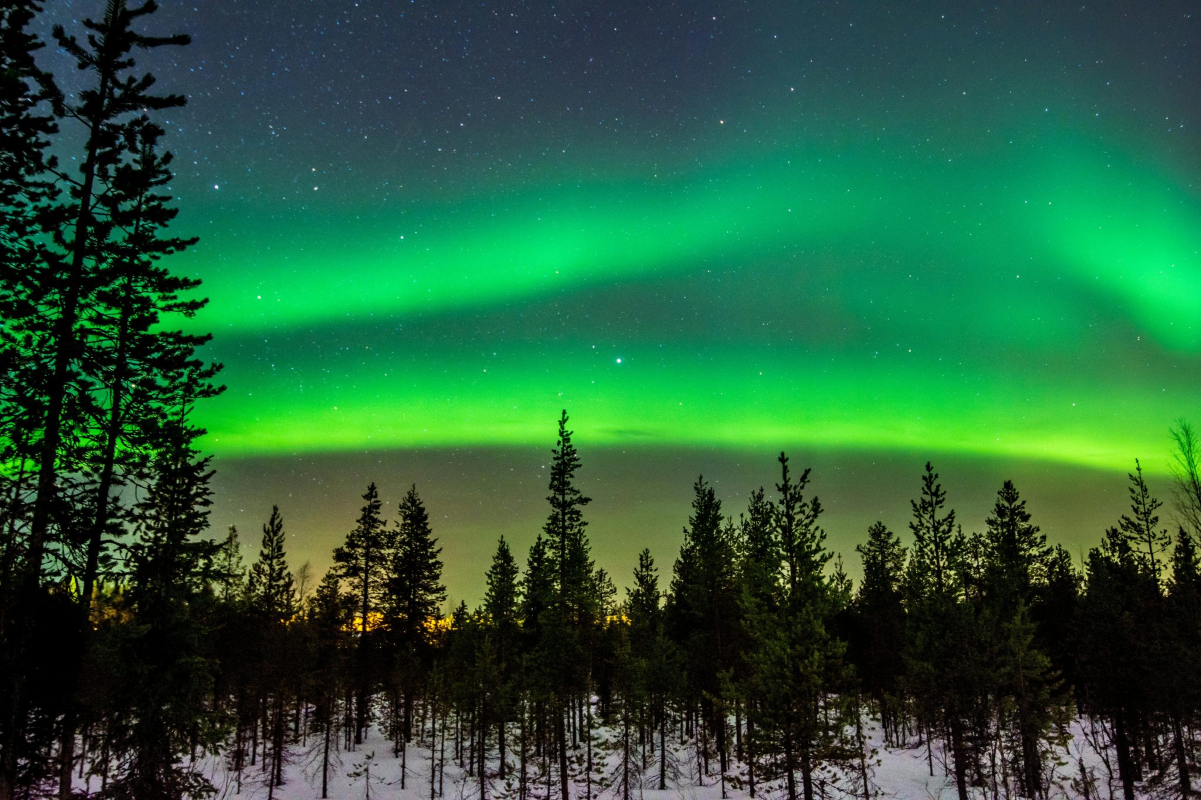
Finland’s approach to happiness values steady life satisfaction over fleeting joy. As Meri Larivaara notes, it’s about lasting contentment rather than intense bursts, reducing pressure and fostering sustainable well-being.
Pexels