When Americans are out shopping these days, they are more likely to be buying Botox or boxing lessons than shoes or shampoo.
Retail leasing by service-oriented tenants outpaced goods-based retail leasing for the first time ever, a reversal driven in large part by a proliferation of salons, spas and fitness studios.
Service-based tenants leased just over 50% of total retail square footage in 2025, according to data firm CoStar . Fifteen years ago, service tenants accounted for only 40% of total leasing.
“Consumer dollars remain firmly pointed at services,” said Brandon Svec, national director of U.S. retail analytics for CoStar. “There’s nothing to suggest that that’s going to be shifting anytime soon.”
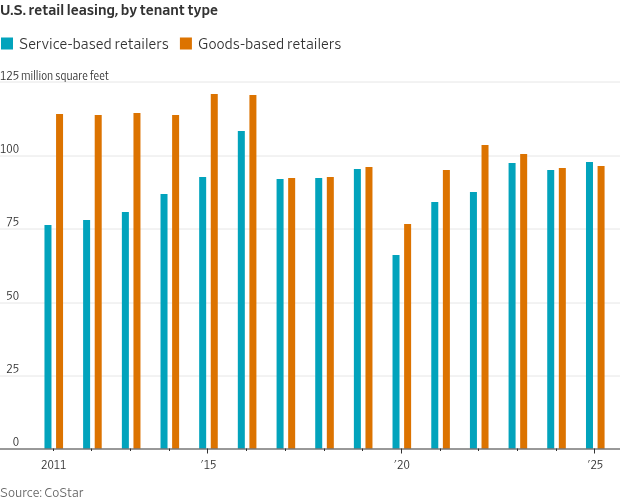
Changes at the property level also reflect how e-commerce has reduced the amount of physical space that retailers need to sell items such as sweaters, shoes and office supplies.
Svec expects leasing by service tenants to remain strong, even as the sector’s biggest component—bars and restaurants—shows signs of weakening because of a pullback in spending by some consumers and competition from large chains pressuring mom-and-pop establishments.
That is because wellness is a rapidly expanding market in the U.S., totaling $2.1 trillion in 2024, according to the nonprofit Global Wellness Institute, which measures spending on 11 sectors including spas, beauty, nutrition, mental wellness and public health.
“A handbag used to be the luxury symbol,” Svec said. Today, he suggested, a more common sign of status is spending money on things like yoga classes or facials.
Businesses are meeting the growing demand. There are shops for laser facials, IV hydration and vitamin infusions, Botox and red-light therapy. People are also trying cryotherapy, which involves blasting the body with subzero temperatures to reduce inflammation and speed muscle recovery.
“Consumers care more today than they ever have about how they look and how they feel,” said Brian Finnegan , chief executive at shopping center owner Brixmor.
After a liquor store moved out of its Whitemarsh Shopping Center in the Philadelphia suburbs, Brixmor subdivided the 10,200-square-foot space into four smaller shops.
The new tenants—an animal hospital, facial-spa chain, stretching studio chain and nail salon—together generate 20% higher rent than the previous tenant and draw more shoppers to the center, Finnegan said.
Social media has spurred an increase in retailers dedicated to making Americans look good in photos, from blow-dry hair salons to waxing chains. Fitness-center openings have surged, with the sector making up nearly 30% of service-based leases last year compared with 20% in 2016, according to CoStar.
In Manhattan’s Flatiron and NoMad neighborhoods, self-care and fitness brands have leased 100,000 square feet in the past two years, according to the Flatiron NoMad Partnership, a business improvement district. The streets are dotted with saunas, Pilates studios and even a cross-country skiing fitness boutique.
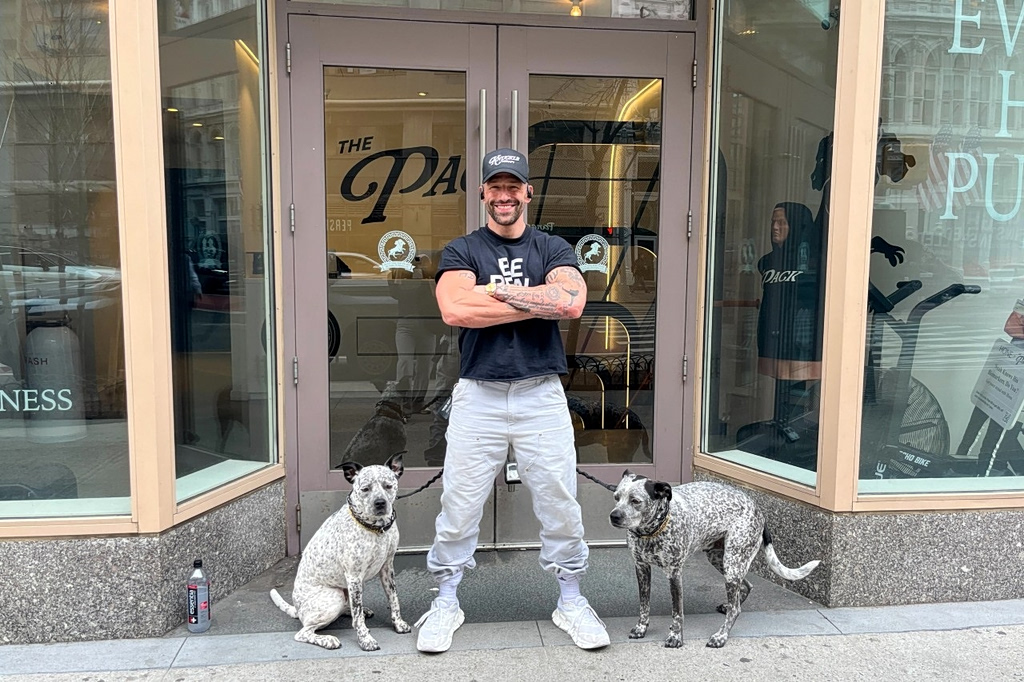
Noah Neiman at the Pack. Kate King/WSJ
Noah Neiman, co-founder of the Rumble boxing chain, recently opened in the neighborhood the Pack, a self-defense and group-fitness studio that he believes will tap in to Americans’ heightened health consciousness and socialization post pandemic.
“We want you to come in here, maybe meet a friend, bring your co-workers,” Neiman said. “This is the new happy hour.”
One of the fastest expanding operators nationwide is Planet Fitness , which added more than a million members last year and plans to open nearly 200 new locations in 2026.
Chief Development Officer Chip Ohlsson said people are working out more frequently and socially than in the past, with entire families or groups of co-workers often showing up to the gym together. The chain expects further tailwinds from the rise in Ozempic and other GLP-1 medications.
“If I’ve lost a lot of weight and I start to feel better about myself, it gives me an opportunity to go to the gym and tone that up,” Ohlsson said.
Online sales are also reducing the amount of bricks-and-mortar space needed to sell items like clothing and toiletries. E-commerce sales accounted for 16.4% of total retail sales last year, according to the U.S. Department of Commerce, compared with about 8% in 2016. And many apparel tenants are shrinking their stores’ footprints .
Despite this pullback, retail vacancy in the U.S., at 4.4%, remains near record-low levels because of strong demand from service-based retailers. Planet Fitness, for example, has opened clubs in spaces vacated by bankrupt retailers such as Rite Aid and craft-store chain Joann.
Write to Kate King at kate.king@wsj.com