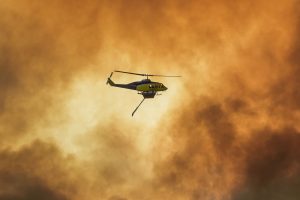
After every major wildfire, the state repeats the same ritual: it declares itself surprised, invokes unprecedented conditions, promises an investigation, and waits
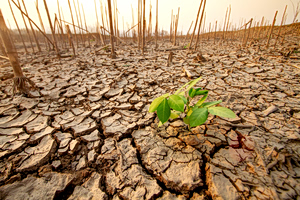
As heat waves and megafires intensify, Europe’s climate strategy is shifting toward resilience — prioritizing science-based prevention and adaptation while keeping the transition away from fossil fuels on track
Turkey does not need the Gulf to fight its wars. Ankara need not buy support; it need only make opposition expensive.
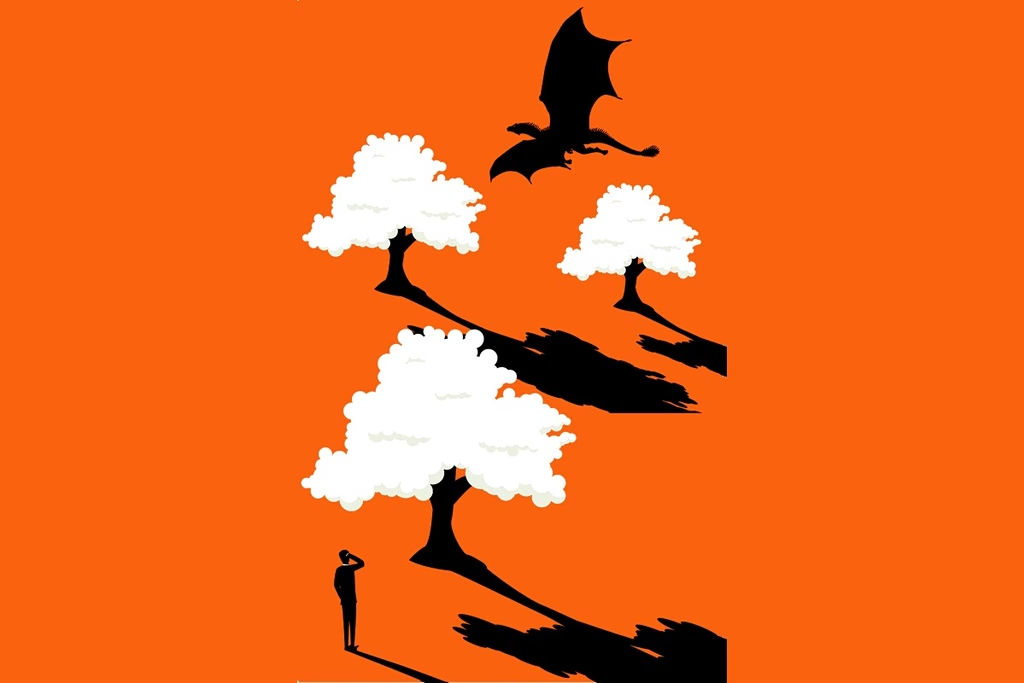
Immersed in our fairy tales without dragons, we have stopped inventing ways forward
For four years now, the Predator spyware case has repeatedly faded from view, only to flare up and return to the forefront. But as long as the matter remains unresolved, it comes at a cost
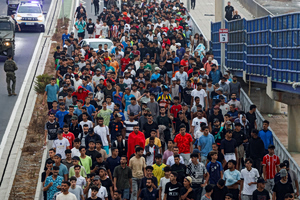
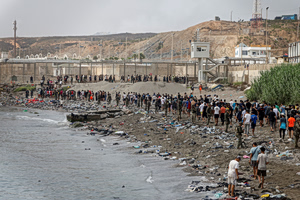
However one sets out to interpret the events in Ceuta, Spain—from whatever angle one approaches them, no matter how much conspiracy theory or naivety one brings to the table—one thing cannot be denied: Europe is facing a severe immigration problem, which it has failed to control or regulate. It is not just Spain or Morocco. […]
The death of Elisabeth-Jane “Lisa” Ross has been presented as an open-and-shut case, but a closer look reveals a far more complicated story
The problem is not that a government seeks to present its record in a positive light, rather when communication ceases to serve the public’s need for information and is instead used to distance society from reality
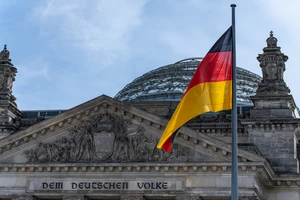
Germany's economic model is under severe strain, and Merz's reform agenda has stalled amid coalition compromises. As public trust collapses, the AfD has become the country's strongest political force, raising doubts about Merz's future and Germany's stability
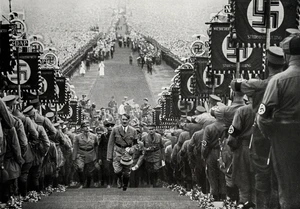
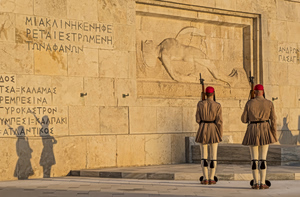
Ninety years after the Nazi-era Olympic Games, a Greek legal scholar examines how architecture, propaganda, Jesse Owens' triumph, and Berlin's potential bid for the 2036 Olympics continue to shape debates over history and memory
In the European context, the current status quo, both in terms of domestic governance and international relations, appears to be undergoing a period of instability and readjustment, reflecting a broader transformation in the way politics unfolds.
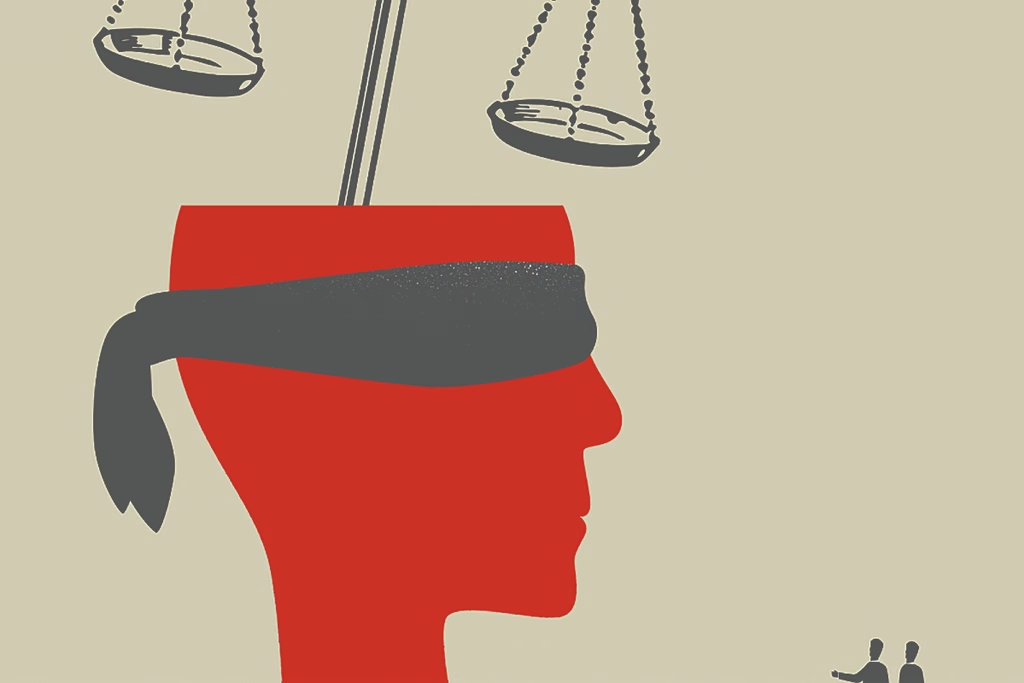
The Western system of justice recognizes methods of crushing people that resemble those of other regimes
The answer lies not only in climate change or firefighting capacity, but in the institutional arrangements through which societies manage risk
Born of colonialism alongside Melilla, Ceuta has played a pivotal role at key moments in Spanish history and is now one of Europe's most heavily guarded borders
One could foresee any of the above “open fronts” coming to hit Sanchez at some point, but all of them coming together at the same time can hardly be a coincidence.
The Prime Minister's latest statements have given the impression that the elections are not imminent, which leaves a little political wiggle room.
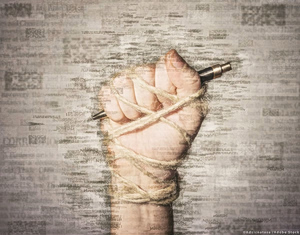
Two landmark court rulings in Greece and Strasbourg reaffirm the rule of law, protect judicial independence and send a clear message: press freedom cannot be threatened, intimidated or silenced.
When we Europeans think about security, they often imagine borders, armies, weapons, alliances and geopolitical crises. These are important of course. When we think about Russia’s war against Ukraine, the instability in the Middle East and growing global competition we are reminded that hard security has returned to the center of politics. But the next […]
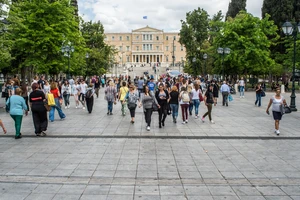
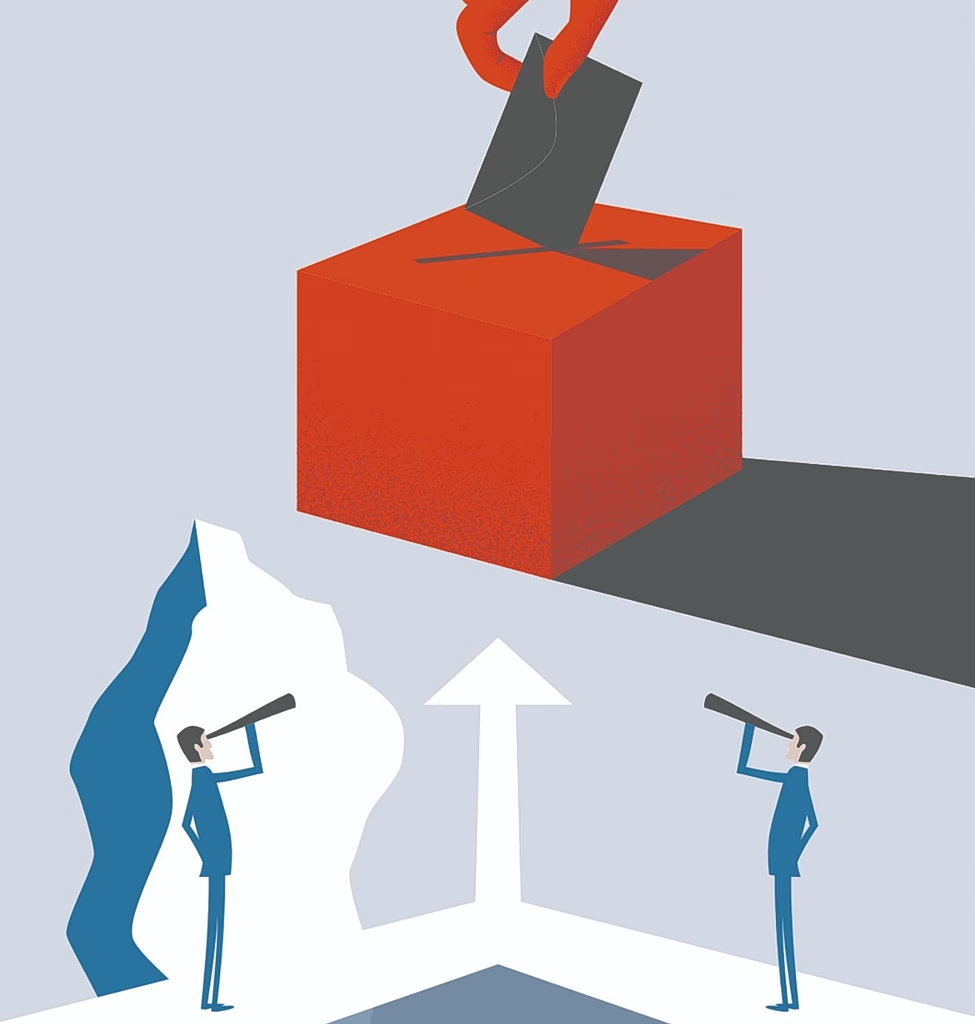
Will the elections be held institutionally or as a matter of prime ministerial prerogative? From a purely betting perspective, it is an amusing question. It is not amusing, however, because from the government down to the public administration, the country freezes before elections and struggles to recover after them.
Beyond the economic dimension, the profound changes currently reshaping security and defense policies across Europe are likely to generate significant social and political implications at both the European and national levels