ΒΗΜΑ History
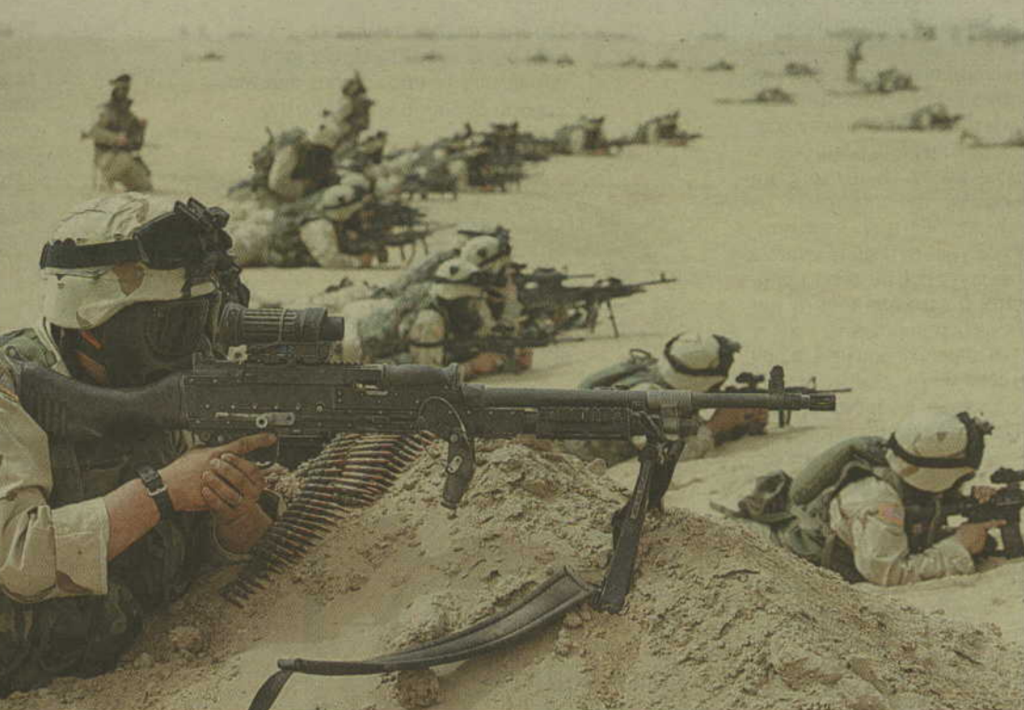
Bush's ultimatum to Saddam Hussein, the collapse of diplomacy at the UN, and the first hours of the invasion of Iraq

Ninety years after his death, Eleftherios Venizelos remains one of Greece’s most influential political figures, having reshaped the country territorially, politically and diplomatically.
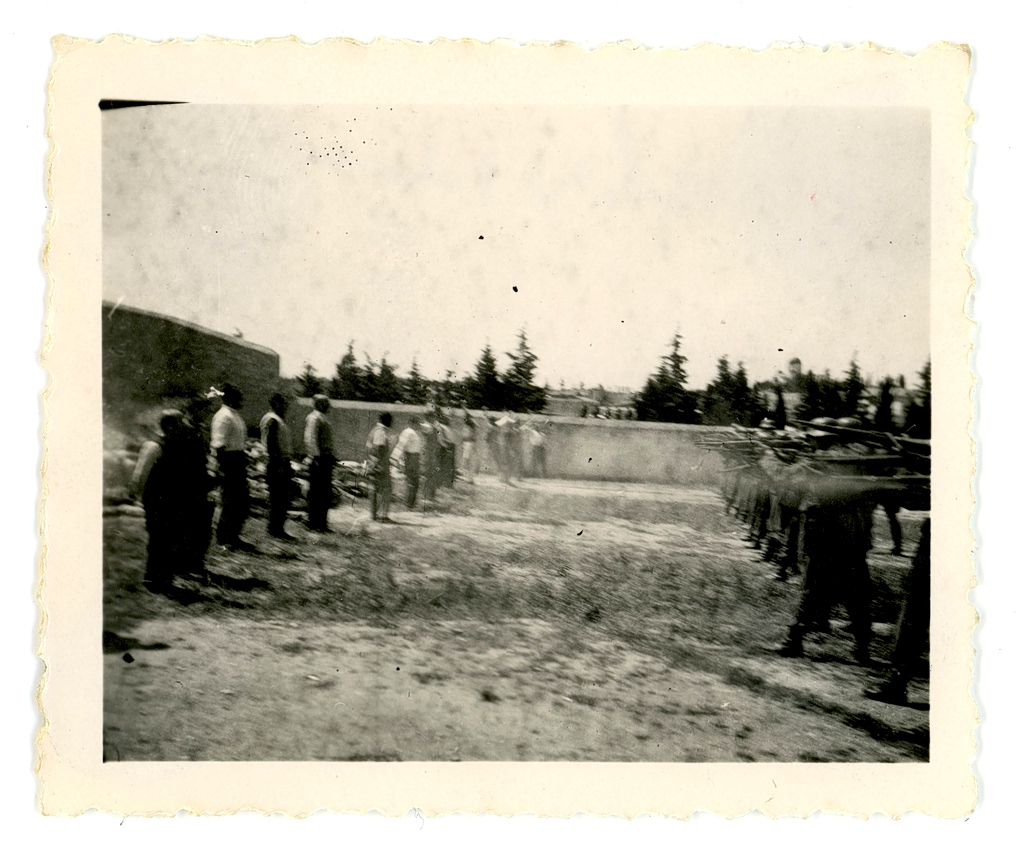
Shocking images of the 1944 May Day executions in Kaisariani reveal Nazi brutality and spur Greece to preserve its visual history.
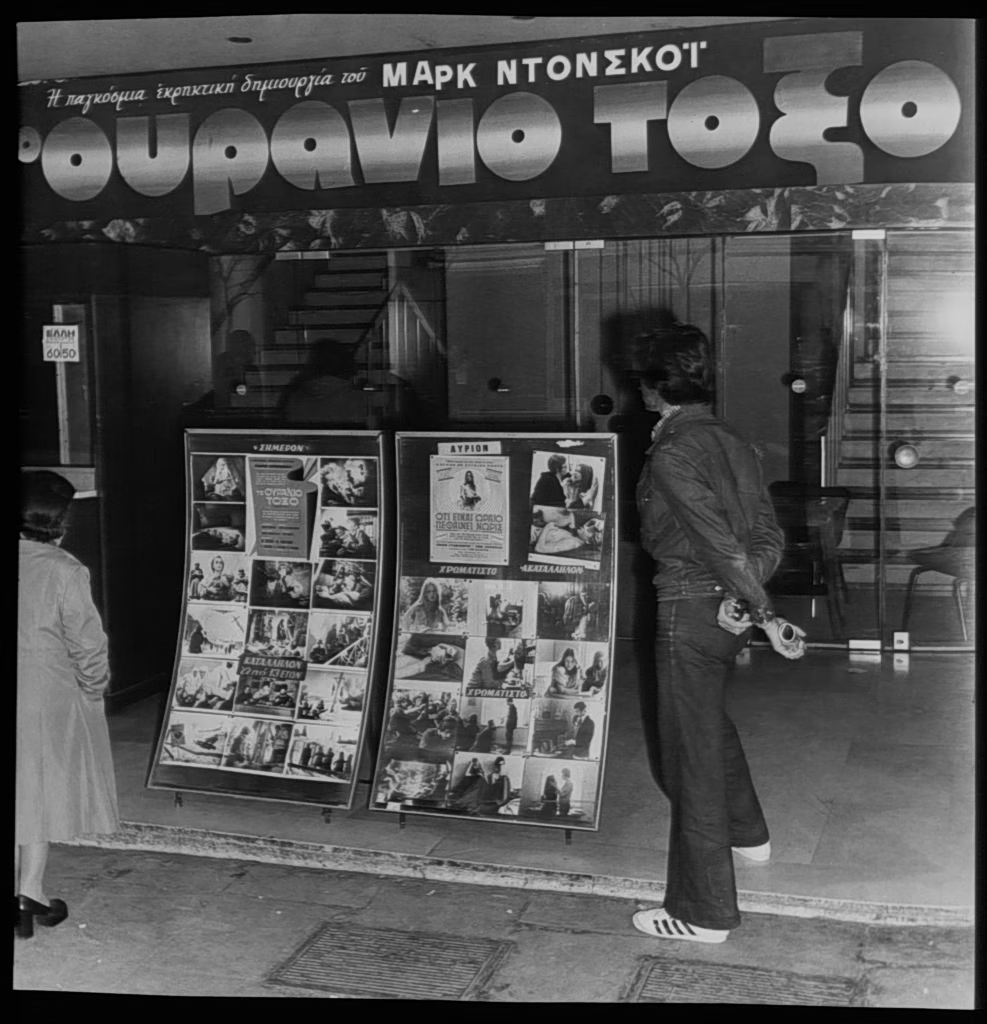
An explosive device detonated inside a packed Athens cinema during a film screening, injuring 18 people and igniting political controversy in the fragile early years of Greece’s post-dictatorship democracy.
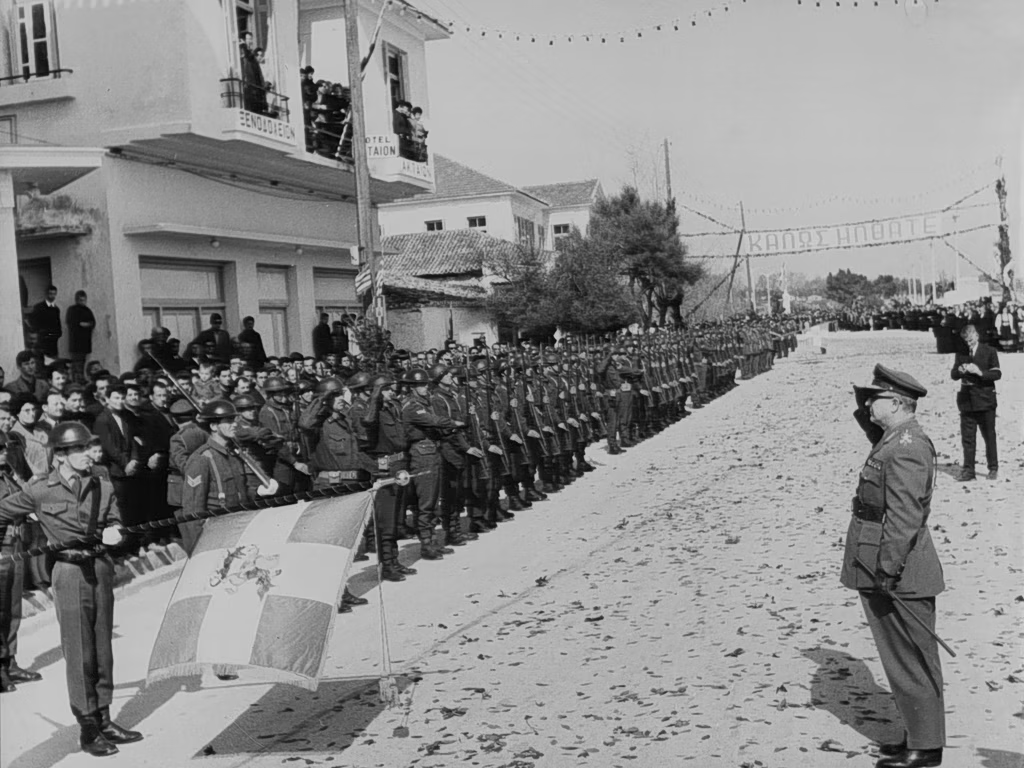
On March 7, 1947, Greece formally assumed administration of the Dodecanese islands in Rhodes, completing the country’s final territorial expansion of the 20th century amid both celebration and the practical challenges of transition.
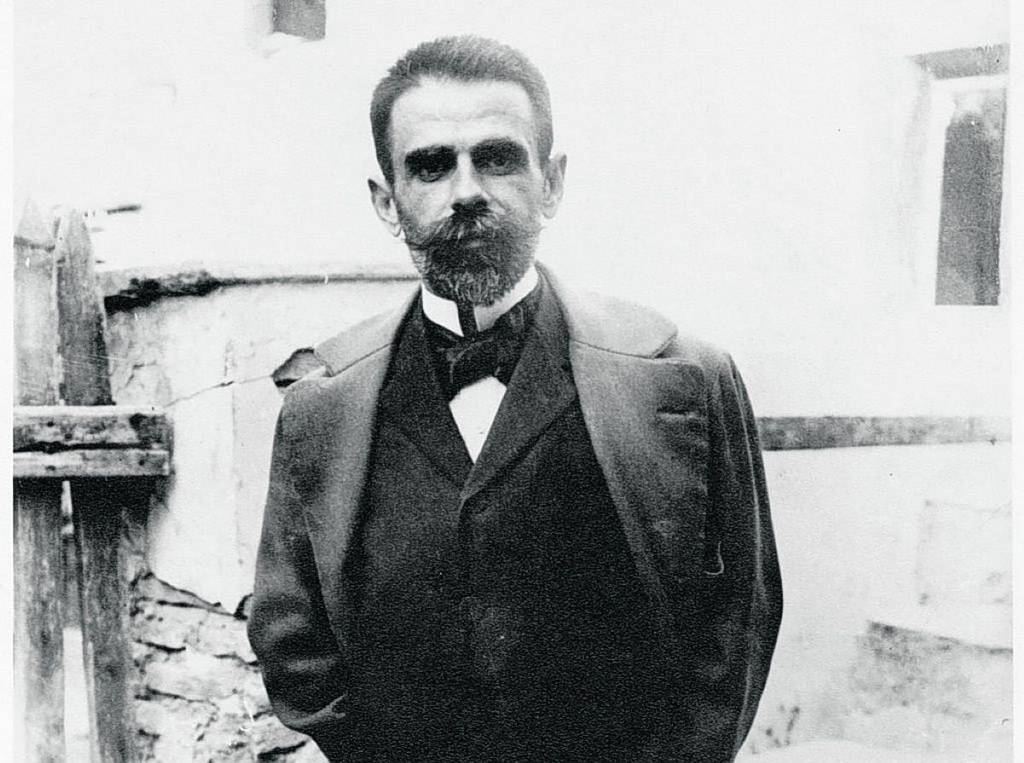
Palamas’ funeral evolved into the largest act of resistance staged by the Greek people against the German occupiers. It was a moment when grief turned into defiance, and poetry into protest.
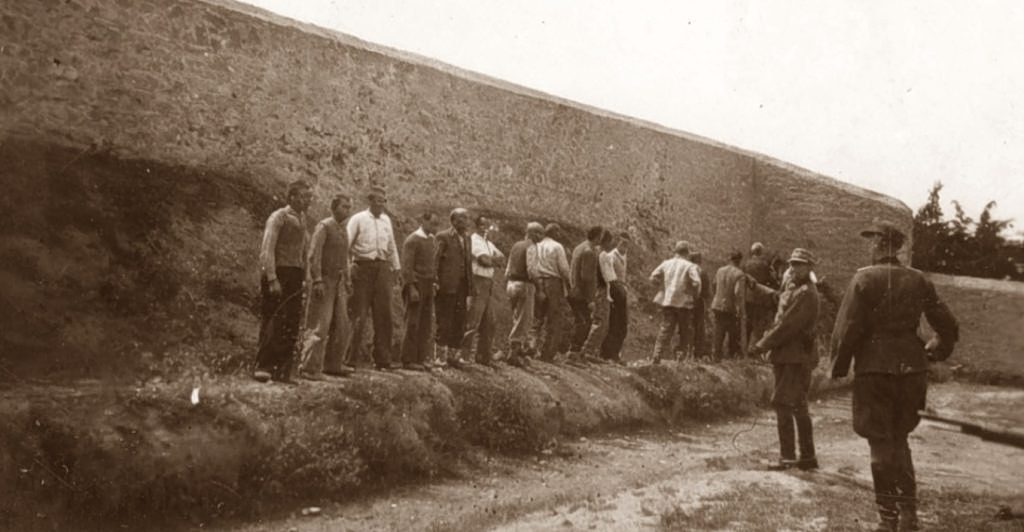
Newly surfaced images appear to show the execution of 200 Greek resistance fighters during Nazi Occupation in 1944
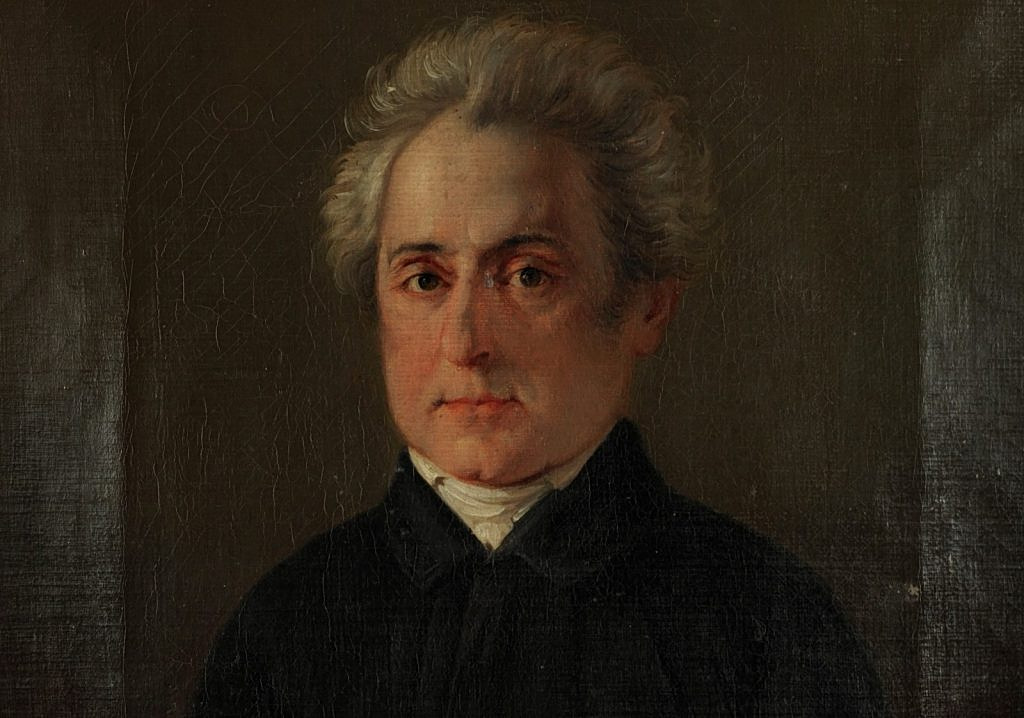
How Dionysios Solomos challenged historical orthography and contributed to the establishment of the monotonic system