 Μake us preferred on Google
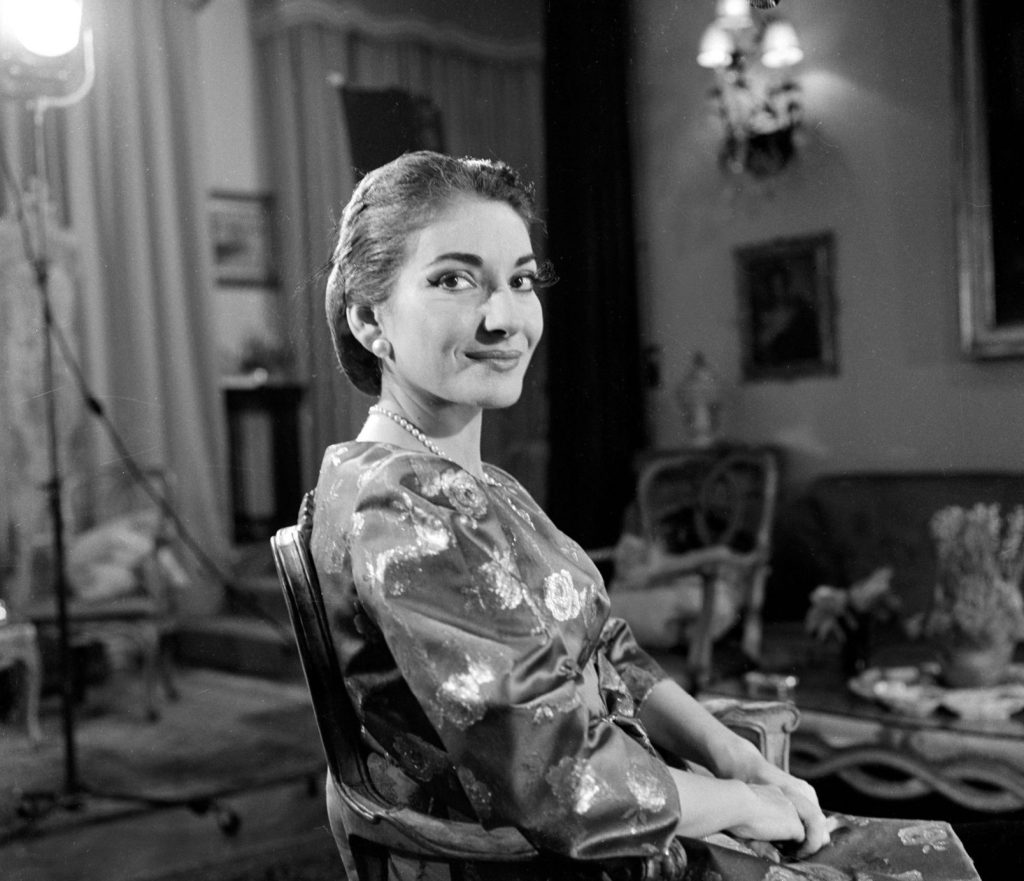
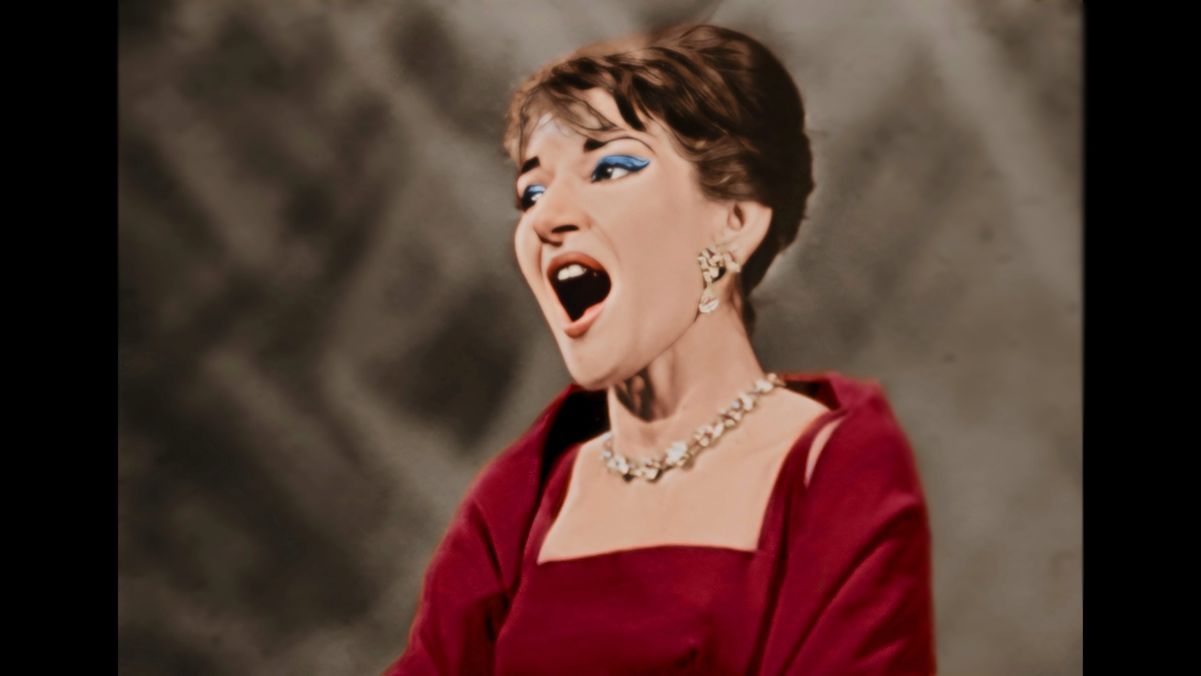
 It’s not every day that the world’s greatest soprano is chased by a baby elephant. Yet in 1971, at the Gala de l’Union des Artistes in Paris, that’s exactly what happened to Maria Callas — a moment that revealed a lighter, more human side of the woman often called a tempestuous diva.
Having come to terms with the end of her tumultuous affair with Aristotle Onassis — who had married Jackie Kennedy — Callas was eager to rekindle her career and reclaim her place in the spotlight. She had starred in Pasolini’s Medea and was planning a concert tour with Giuseppe Di Stefano.
More approachable than ever, she agreed to host the annual charity gala of the French Artists’ Union, broadcast live on national television and held, fittingly, under a circus tent.
When Callas, radiant in the ring, stepped forward to announce the opening of the show, chaos struck. A baby elephant named Djumbo suddenly decided the diva was its playmate, chasing her across the circus ring and nudging her toward the startled audience.
Panic rippled through the crowd — but Callas, unharmed and visibly amused, soon brushed it off. With her friend Omar Sharif rushing to her side, she even gave Djumbo a gentle push back and patted him on the trunk, turning fear into laughter.
The incident became legendary — a symbol of Callas’s wit, warmth, and unexpected humility. Far from the temperamental prima donna the tabloids described, she showed grace under absurd pressure, proving that even legends could laugh at themselves.
As she once mused near the end of her life:
“It’s a strange feeling to be a living myth while still on earth. Perhaps it would be better if they called me immortal only after my death — then I could sit on a cloud and enjoy the show without worrying whether I’ll hit my high notes.”
And on that Paris night, chased by a mischievous elephant, Maria Callas did just that — she lived the myth, but laughed like a mortal.