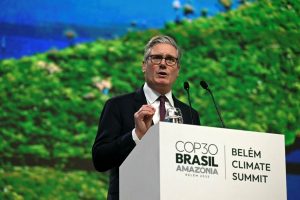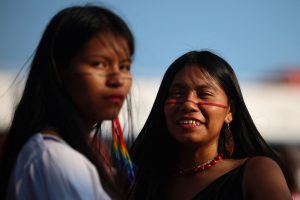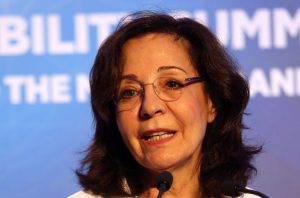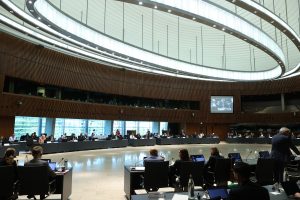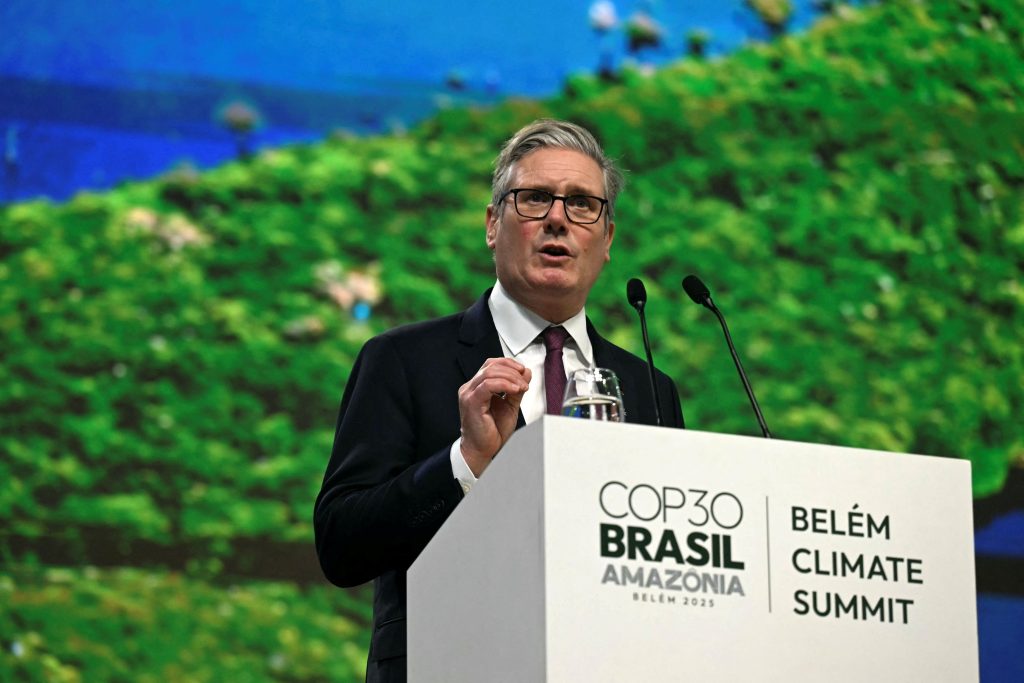
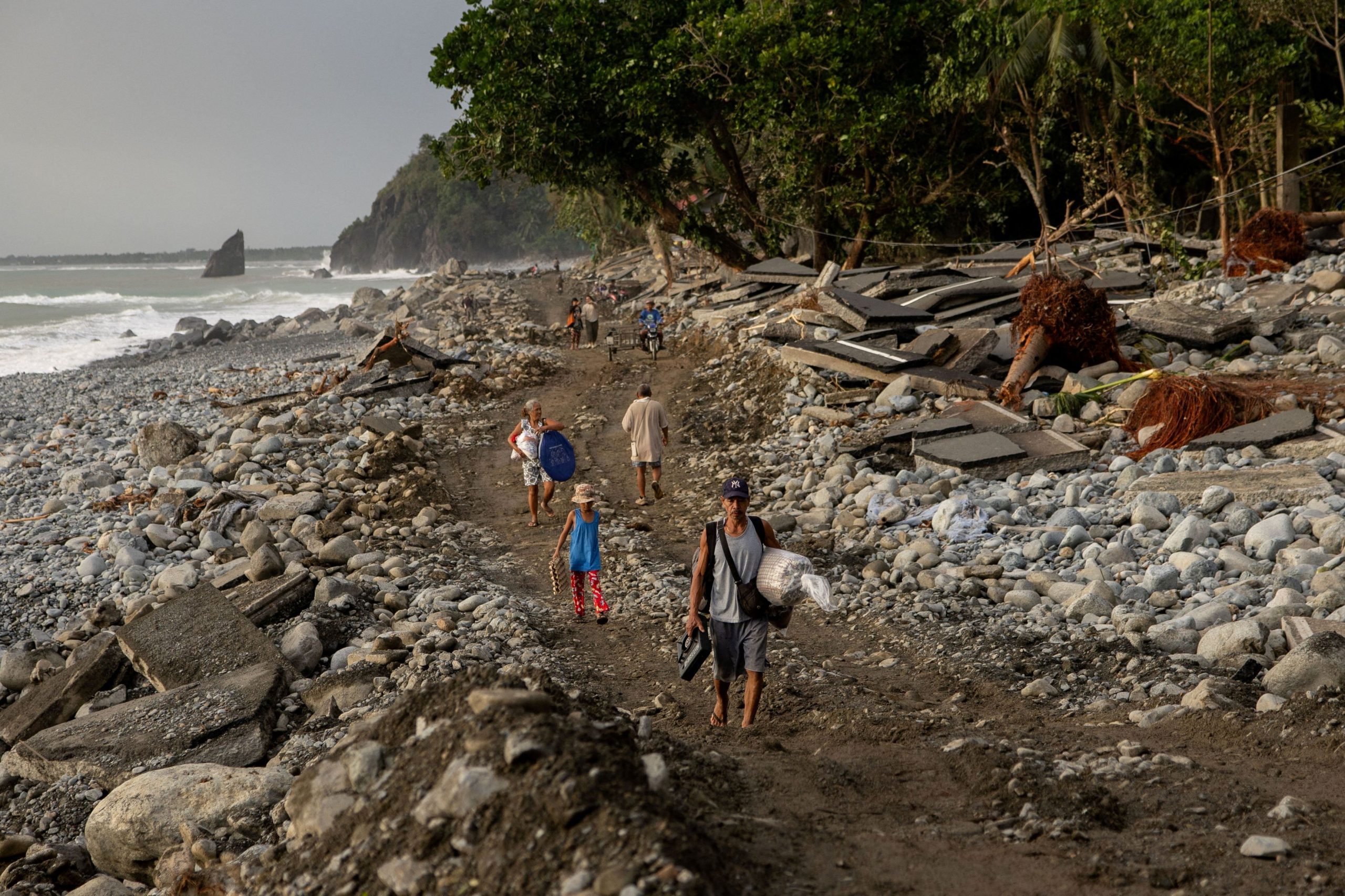
Delegates at COP30 are focusing on the growing challenge of helping vulnerable countries withstand increasingly severe weather events, including typhoons in Southeast Asia and hurricane damage in Jamaica and Brazil. The summit emphasized adaptation as a priority, reflecting the rising costs and risks associated with extreme climate events.

FILE PHOTO: People ride a motorbike with a sidecar as it wades through a flooded road following flooding brought by high tide and Super Typhoon Fung-wong, in Macabebe town, Pampanga province, Philippines, November 10, 2025. REUTERS/Lisa Marie David TPX IMAGES OF THE DA/File Photo
A recent U.N. report highlighted that developing countries will require $310 billion annually by 2035 to prepare for floods, storms, droughts, wildfires, and heatwaves. Yet, finding funding remains a major hurdle. Last year, global development banks contributed $26 billion to adaptation projects, but private finance accounted for only 3% of total adaptation funding.
New initiatives and pledges
To address the shortfall, the Systematic Observations Financing Facility, supported by the World Meteorological Organization, U.N. Development Programme, and U.N. Environment Fund, plans to issue a $200 million impact bond by the end of 2026 to enhance weather monitoring and resilience efforts.
Meanwhile, Germany and Spain pledged $100 million to the Climate Investment Funds (CIF) to support projects boosting climate resilience in developing nations. Tariye Gbadegesin, CIF’s Chief Executive, praised Brazil for prioritizing adaptation early in COP30.
Rising costs of climate disasters
The financial impact of extreme weather continues to escalate. Vietnam estimates damages from Typhoon Kalmaegi at nearly $300 million, following $436 million in losses from Typhoon Bualoi last month. Jamaica faces up to $7 billion in damages from Hurricane Melissa, roughly a third of its GDP. The Philippines is still tallying losses from Super Typhoon Fung-wong.
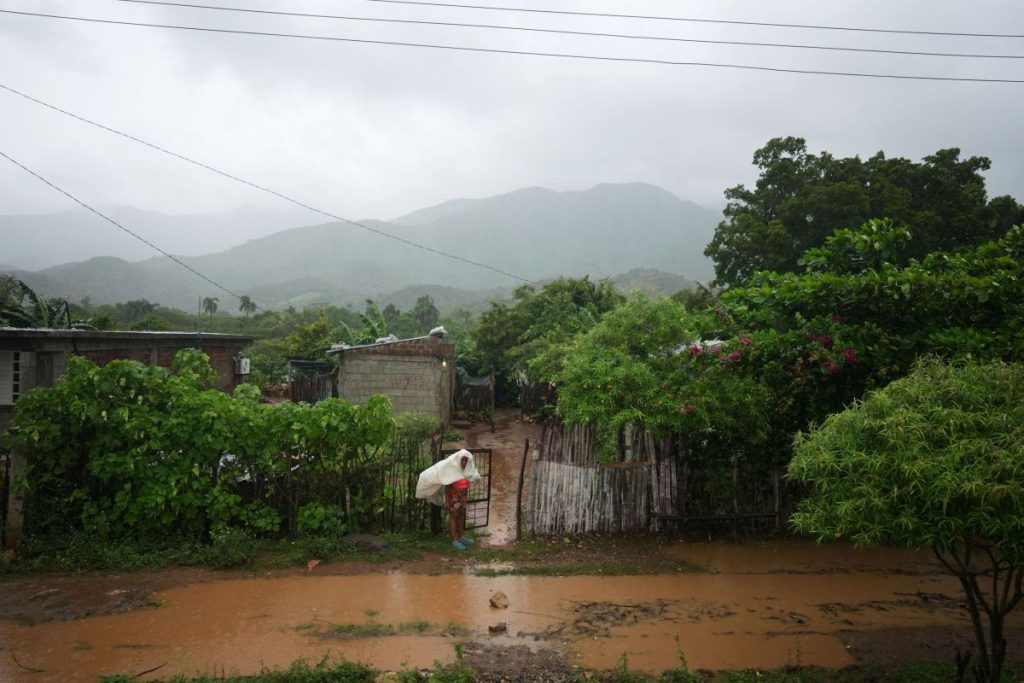
A woman stands in front of her home ahead of Hurricane Melissa’s landfall in Caleta Blanca, Cuba, October 28, 2025. REUTERS/Alexandre Meneghini
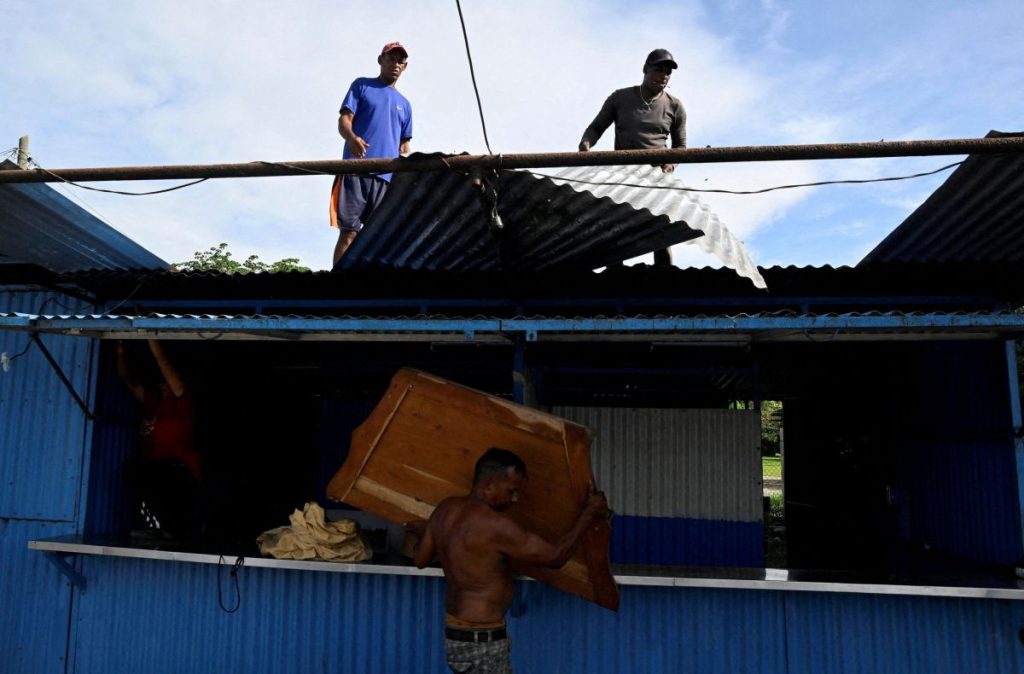
People prepare for the arrival of Hurricane Melissa in Santiago de Cuba, Cuba, October 27, 2025. REUTERS/Norlys Perez TPX IMAGES OF THE DAY REFILE – CORRECTING LOCATION FROM “HAVANA” TO “SANTIAGO DE CUBA”.
Adaptation measures discussed at COP30 include heat relief programs, AI-based soil mapping for agriculture, and protection of health systems against climate shocks. The summit also stressed that 86 million refugees remain highly vulnerable to climate hazards, adding urgency to international cooperation.
Funding the future
Experts warn that adaptation projects struggle to attract private investment compared with renewable energy, highlighting the need for public financing and supportive policies. According to the Zurich Climate Resilience Alliance, private contributions could rise to 15% if incentives improve.
David Nicholson, chief climate officer at Mercy Corps, emphasized the importance of channeling resources to local communities, which are already leading the response by rebuilding homes, restoring livelihoods, and strengthening health systems.