 Μake us preferred on Google
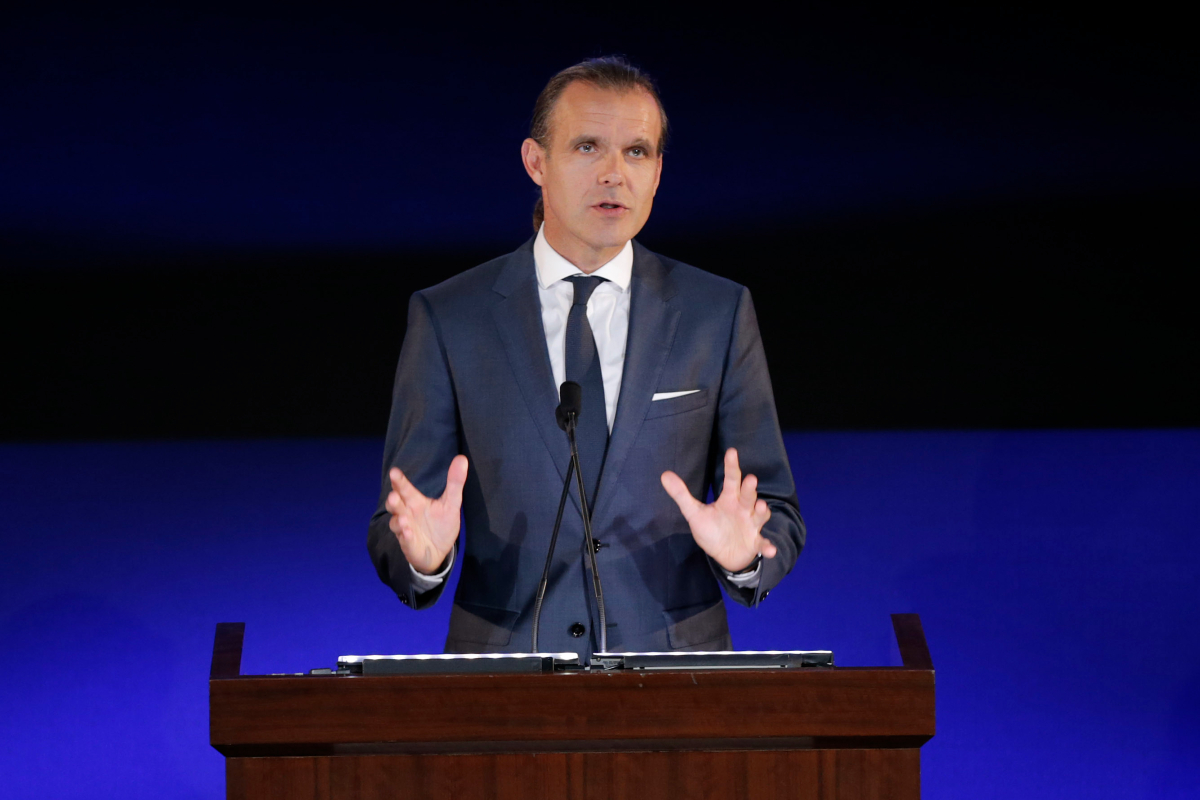
 Renowned marine biologist and National Geographic Explorer-in-Residence Enric Sala visited Greece for the screening of his new documentary Ocean with David Attenborough and for an event celebrating “Amorgorama,” a community initiative on the island of Amorgos banning fishing in designated zones. Speaking to To Vima, Sala explained why ocean conservation and economic growth are not opposing goals, but “completely compatible.”
“The ocean is essential for our survival”
“Without the sea, there would be no ‘us,’ no life on Earth,” said Sala. “The ocean gives us over half the oxygen we breathe, provides food and jobs for millions, and regulates the climate — it has absorbed 90% of the excess heat generated by human activity since the Industrial Revolution. Without it, the planet would be uninhabitable.”
The Spanish-born explorer, who left academia to found the National Geographic Pristine Seas program in 2008, aims to inspire world leaders to protect the planet’s last wild marine areas through exploration, research, and storytelling.
The “Amorgorama” model
Sala praised the Amorgorama initiative — which introduces seasonal and permanent fishing bans around Amorgos — as a milestone for Greece:
“Fishers there realized the situation was unsustainable and learned from other Mediterranean examples. In Turkey’s Gökova Bay, for instance, five no-take zones led local fishers to triple their income within four years.”
The plan on Amorgos includes a total fishing pause across the island in April and May and permanent bans in three zones. Sala noted that only three existing Greek marine protected areas (MPAs) fully prohibit fishing. “That’s where life can truly recover,” he said.
From overfishing to opportunity
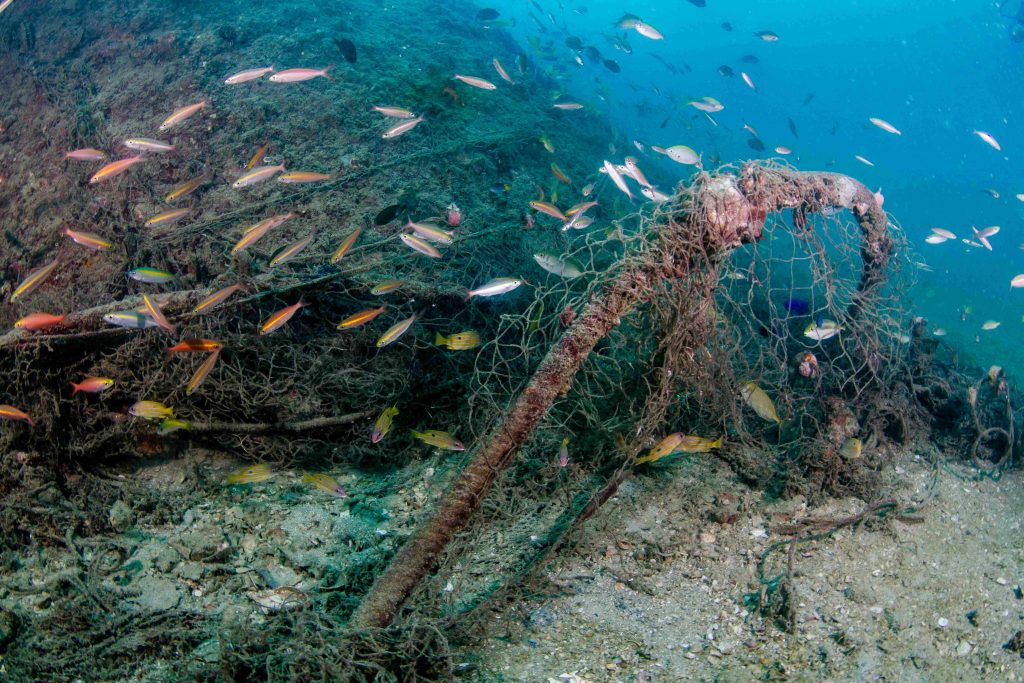
According to Sala, Greece’s seas suffer from “severe overfishing,” but recovery is possible if no-take zones are respected. “Marine life rebounds dramatically,” he said, adding that this could also boost diving tourism and create new local income streams.
“We must show that these protected areas help not only marine life but everyone who makes a living from the sea,” he stressed. “Economic prosperity and environmental protection can reinforce each other.”
Banning bottom trawling by 2030
Sala welcomed Greece’s decision to become the first EU country to pledge a full ban on bottom trawling by 2030. “When people see footage of this destructive practice — shown for the first time in our documentary — they ask: ‘If this happened on land, wouldn’t everyone protest?’” he said.
The 30×30 goal and Greece’s commitments
Discussing the global target to protect 30% of oceans and land by 2030, Sala warned that many countries designate MPAs without ensuring full protection. “We need 30% of the seas as no-take zones,” he emphasized.
He also noted Greece’s recent pledge to reach 35% marine protection through new parks, echoing Prime Minister Kyriakos Mitsotakis’ earlier commitment that 10% of national waters would be fully protected.
“Countries like Chile, Colombia, Seychelles, and Costa Rica — not wealthy nations — have already achieved this. Europe can too,” Sala added.
Citizen action and hope
Through Pristine Seas, Sala’s team is working globally to help nations create 30 of the world’s largest marine sanctuaries — a combined area “nearly the size of the Amazon.”
Asked what individuals can do, Sala replied: “Every initiative starts with one person — a mayor, a diver, a scientist. Anyone can begin. We need more ‘Amorgoramas’ across Greece.”