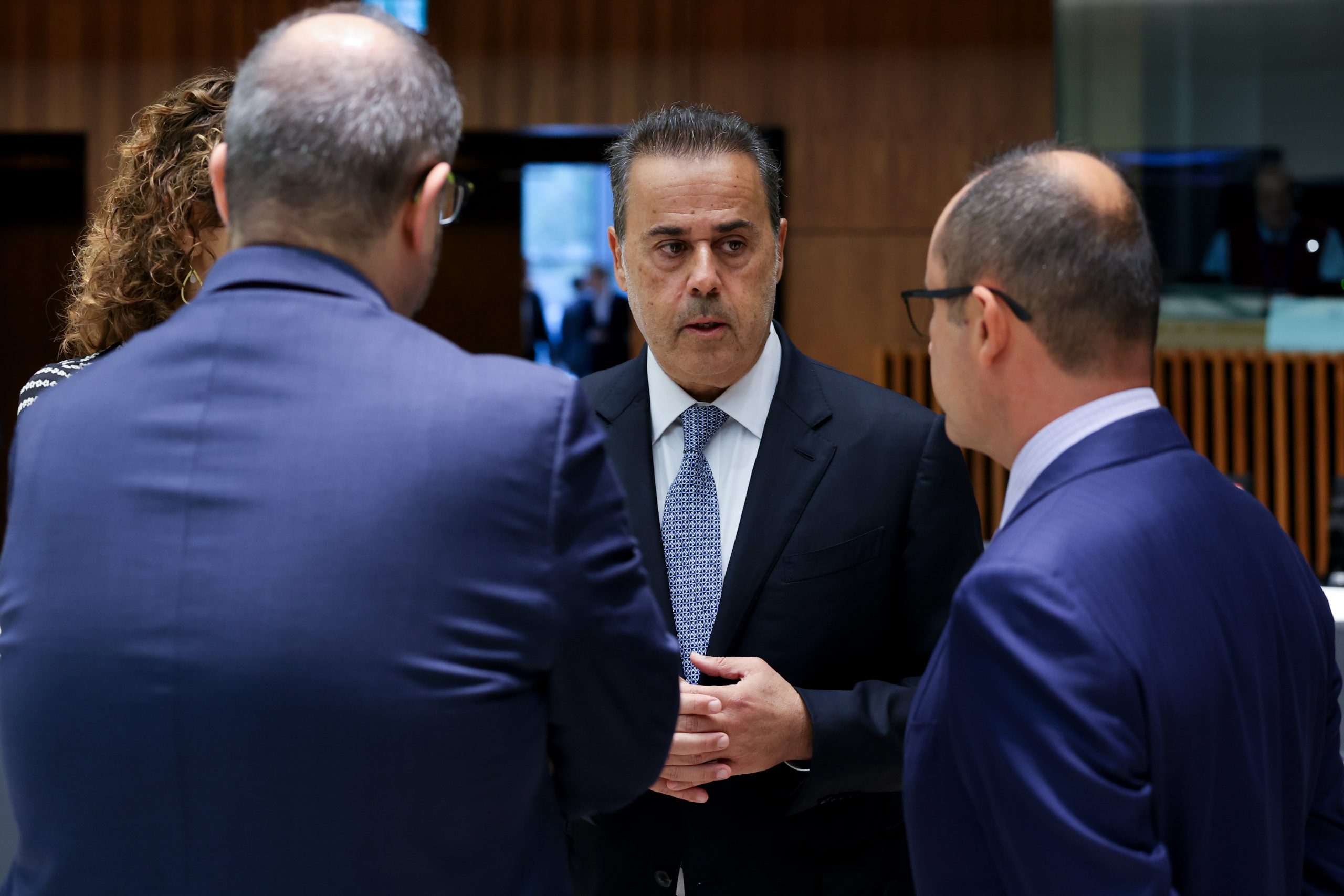
The EU Environment Council (ENVI), made up of the bloc’s environment ministers, will meet in Luxembourg on 21 October to discuss a packed agenda on COP30, the European Water Resilience Strategy, and the European Ocean Pact. The meeting is chaired by Magnus Heunicke, Minister for Environment of Denmark, and Lars Aagaard, Minister for Climate, Energy and Utilities of Denmark.
EU’s Position for COP30
Ministers are expected to adopt Council conclusions setting out the EU’s negotiating position for the UN Climate Change Conference (COP30), to be held in Belém, Brazil, from 10–21 November. The talks will focus on enhancing global climate action and updating Nationally Determined Contributions (NDCs).
The EU will urge major emitters to submit their NDCs quickly and aims to finalize its own before the conference. The conclusions will also call for acknowledging the gap between emissions and action and for clear steps to implement the Paris Agreement. A key objective is reaching consensus on global adaptation indicators to track progress on climate resilience.
Ahead of the meeting, Lars Aagaard underlined that climate change is real, it is exacerbated by human activities, and that the gap between where the world is and where it needs to be in terms of curbing emissions is growing bigger daily.
European Water Resilience Strategy
Ministers will also consider adopting conclusions on the European Water Resilience Strategy, launched by the European Commission in June 2025. The plan targets water scarcity, efficiency, and cycle restoration, while fostering a circular, water-smart economy and guaranteeing safe, affordable water access across the EU.
Although the conclusions have no legal force, they serve as a political endorsement, showing the degree of support among member states and influencing the strategy’s rollout.
European Ocean Pact
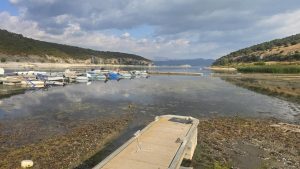
The meeting will also feature discussions on the European Ocean Pact, a new initiative designed to strengthen EU ocean policy across six pillars, including marine restoration, blue economy growth, coastal community support, and maritime security.
About the Environment Council
The Environment Council shapes EU policy on environmental protection, resource efficiency, and public health. Together with the European Parliament, it enacts legislation to protect biodiversity, ensure clean air and water, manage waste sustainably, and integrate environmental goals into sectors like agriculture, energy, transport, and industry. Internationally, it coordinates the EU’s positions in global climate and environmental negotiations.