In a move expected to reshape the energy landscape of Northern Greece, the Ministry of National Economy and Finance has approved the inclusion of a new high-pressure natural gas pipeline to Western Macedonia in the EU-funded “Environment and Climate Change” program under NSRF 2021–2027.
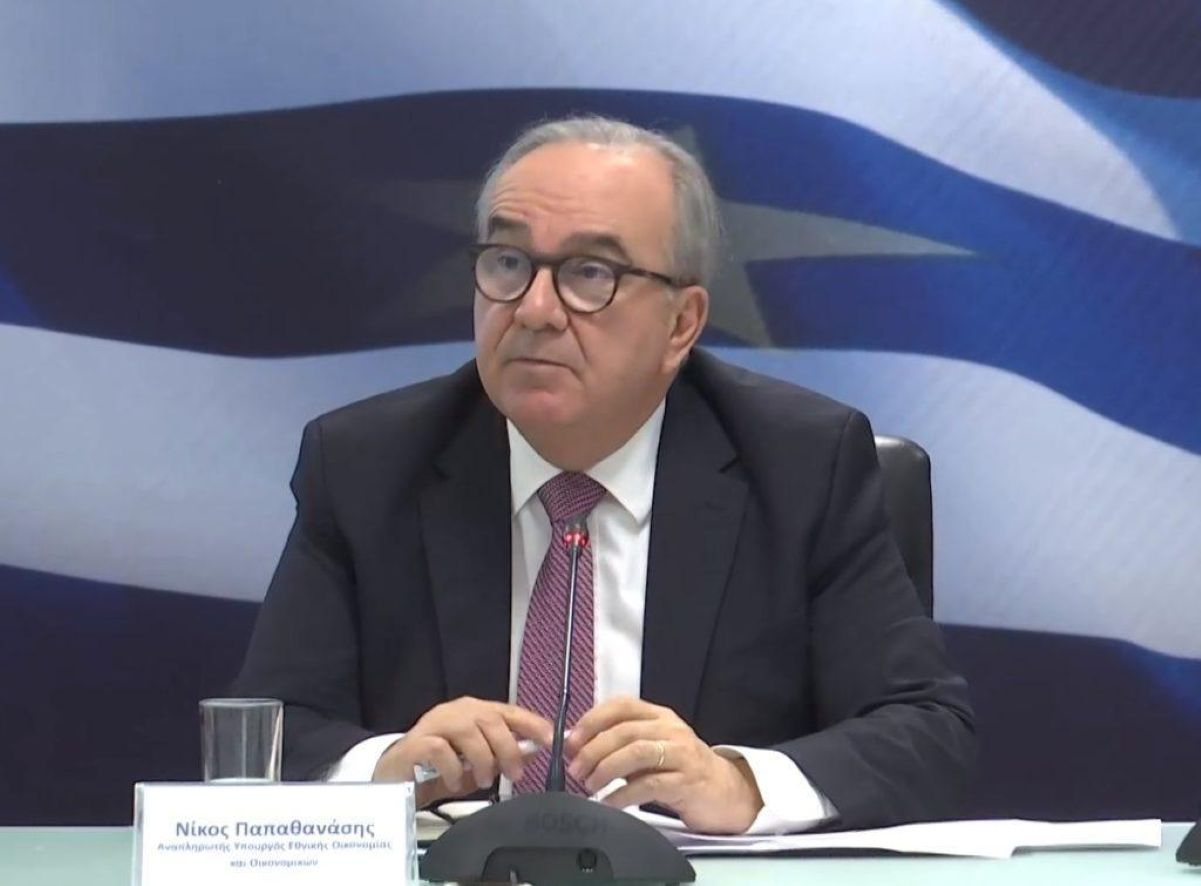
Signed by Deputy Minister Nikos Papathanasis, the decision secures 84.3 million euros in public funding for a project valued at 188.3 million euros—an investment positioned as a cornerstone of the region’s green transition.
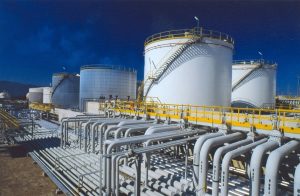
Stretching 157 kilometers from Trikala in Imathia to an area north of Ptolemaida, the pipeline will form a critical new energy corridor. It will also incorporate key interconnection branches: links to the metering and regulation stations in Aspros (Skydra) and Perdikkas (Eordea), as well as a supply branch serving Veria and Naousa. Technical provisions allow for future expansions to meet rising energy demand.
A major component of the project is the Kardia Metering Station, designed to support the district-heating systems of Kozani, Ptolemaida and Amyntaio. These cities, long dependent on lignite, are navigating a shift toward cleaner energy sources, making reliable thermal supply essential.
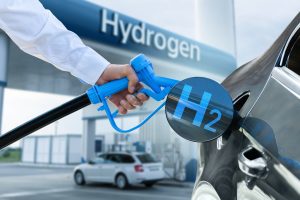
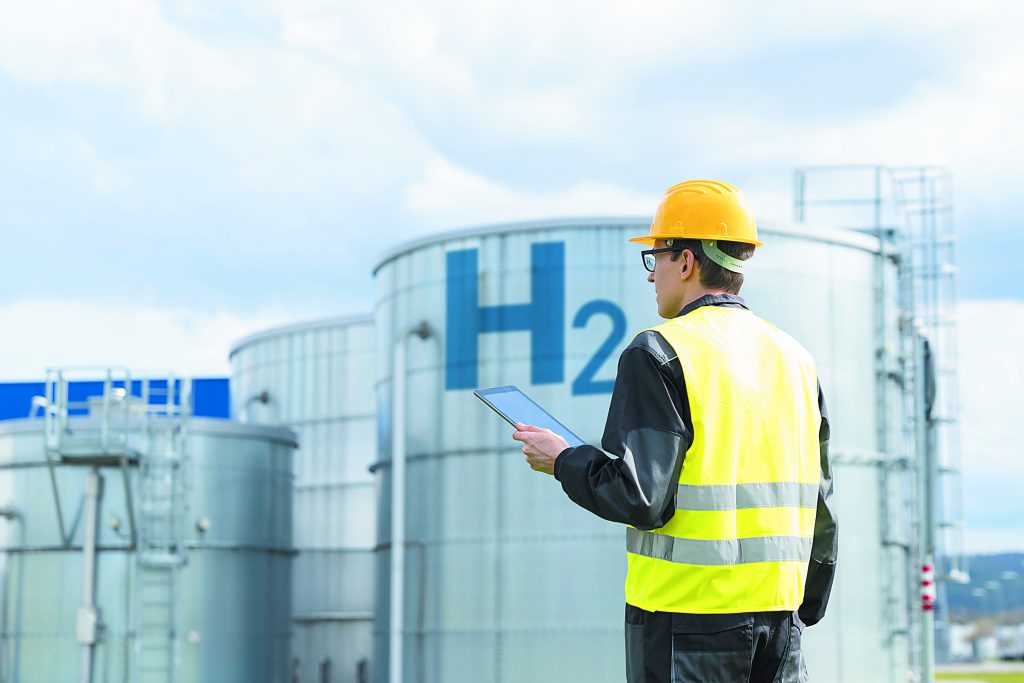
Notably, the pipeline is engineered to be fully hydrogen-ready—a first for Greece and among the earliest such infrastructures in Europe. It will be capable of transporting up to 100% hydrogen, aligning with the EU’s emerging “European Hydrogen Backbone,” which aims to accelerate the continent’s climate and energy goals.
The project’s beneficiary is DESFA S.A., the operator of Greece’s National Natural Gas System, which will oversee its implementation.