Waste management in the broader Athens area returned to the spotlight during a meeting chaired by Deputy Prime Minister Kostis Hatzidakis, with Environment Ministry Secretary General Manolis Grafakos and Regional Governor Nikos Hardalias in attendance, on Tuesday Oct.7.
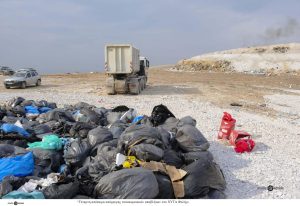
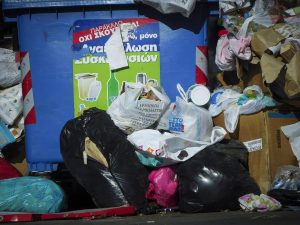
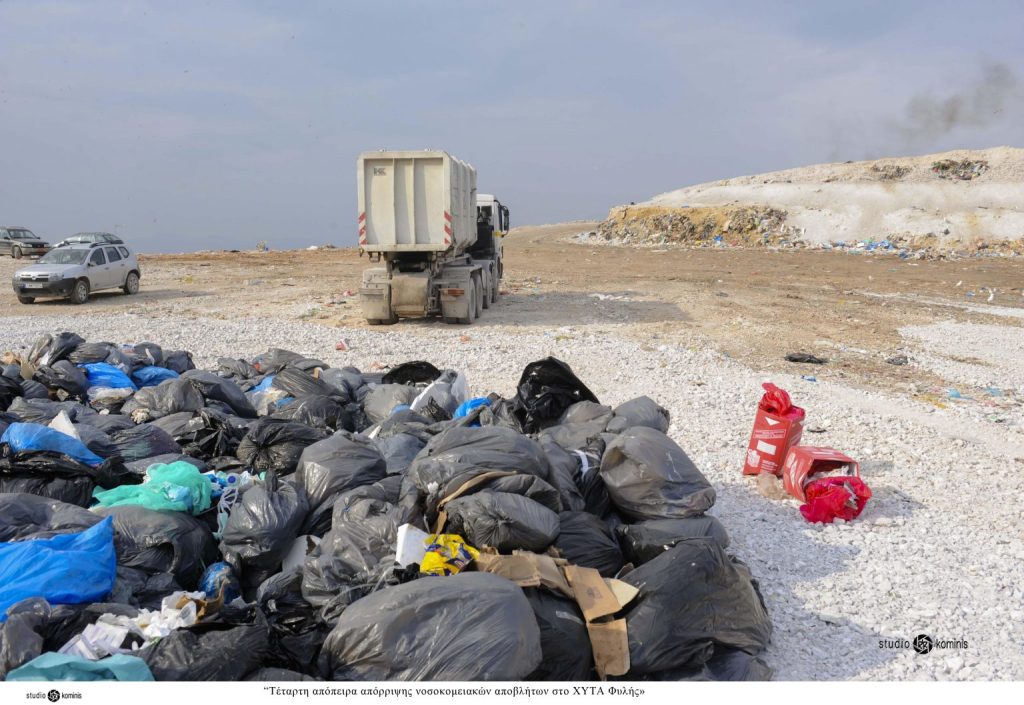
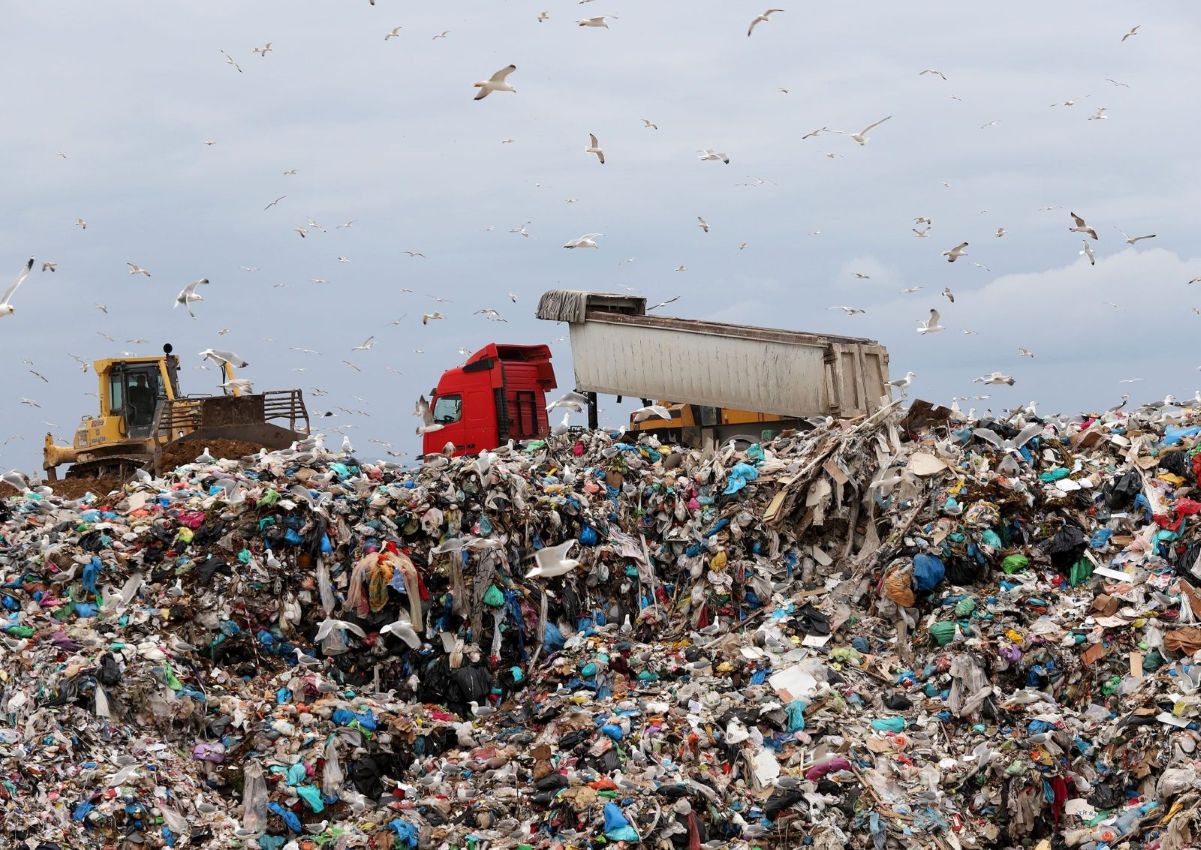
Attica produces about 40% of Greece’s total waste, yet disposal still relies almost exclusively on the Fyli landfill—the country’s most controversial waste site. Despite years of pledges, successive governments have failed to deliver modern Waste Treatment Plants (WTPs), leaving the landfill to shoulder the burden.
Pressure for New Facilities
According to officials, yesterday’s talks centered on the urgent need to build at least two WTPs in Schisto and Fyli, with a combined budget of 250–300 million euros. These would ease immediate pressure, while a second phase envisions turning processed waste into fuel for energy recovery. Until then, authorities warn, the Fyli site will likely face further extensions.
The Energy Angle
The government’s broader plan calls for six energy recovery plants nationwide, one of them in Attica, with an estimated cost exceeding 1 billion euros. Today, the Attica Regional Conference is expected to issue an opinion on the Strategic Environmental Impact Assessment for the network of waste-to-energy facilities, currently under public consultation until Oct. 17.
Skepticism and Delays
Yet industry experts remain doubtful. The Federation of Solid Waste Management Agencies (FoDSA) stresses that without WTPs, energy recovery is impossible. Their latest report warns that no MEA in Attica is likely to be fully operational before 2030, given the need for new tenders and upgrades to existing plans.
A Critical Juncture
For Attica, the Strategic Assessment highlights the lack of basic infrastructure. Secondary fuels from future WTPs are expected to feed two major plants in Attica and Boeotia, with annual capacities of 356,000 and 186,000 tons respectively. Until then, the capital’s waste problem remains a ticking clock—one that demands swift political and financial commitment.