 Μake us preferred on Google
 In a landmark opinion, the UN’s top court has declared that access to a “clean, healthy and sustainable environment” is a fundamental human right and that states have legal obligations to protect it.
The International Court of Justice (ICJ), based in The Hague, issued its long-awaited advisory opinion on Wednesday, recognizing climate change as an “urgent and existential threat” to humanity. While non-binding, the opinion carries significant legal and moral weight and is expected to influence global climate litigation and policy.
“The human right to a clean, healthy and sustainable environment is inherent in the enjoyment of other human rights,” said ICJ President Judge Yuji Iwasawa.
The court stated that greenhouse gas emissions are “unequivocally caused by human activities” and that their impacts cross national borders, violating rights and endangering future generations. It goes on to stress that failure to mitigate or adapt to climate change could constitute a breach of international law.
The ruling comes as climate-related disasters, from devastating wildfires to catastrophic floods, increasingly threaten lives and livelihoods around the world.
Obligations and Accountability
ICJ judges outlined clear responsibilities for nations: to prevent environmental harm, to cooperate internationally, and to ensure that national climate policies are aligned with the latest research and the goal of limiting global warming to 1.5°C above pre-industrial levels.
The court also noted that countries must pursue “the highest possible ambition” in their emissions reductions and climate adaptation strategies.
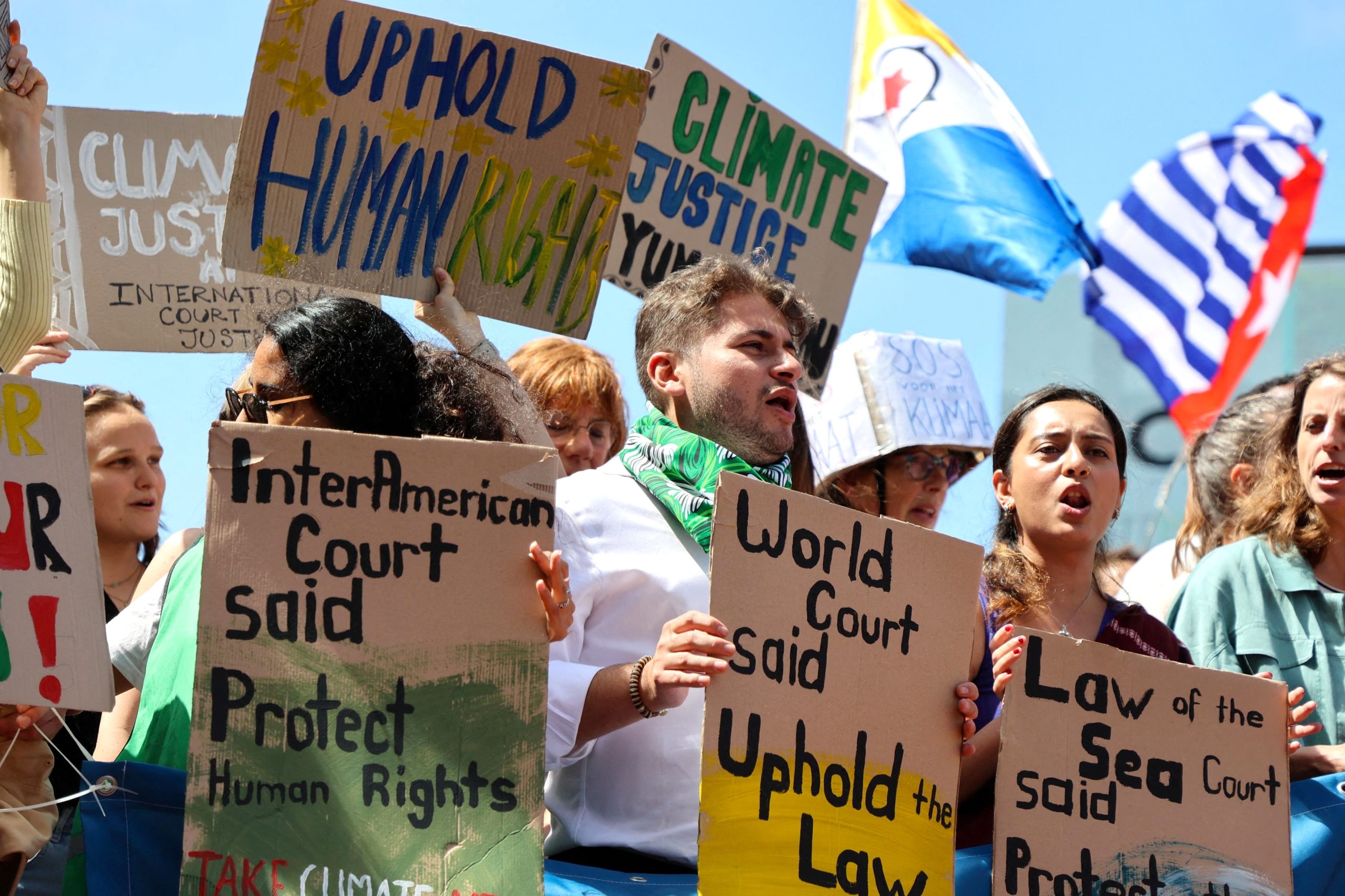
This is the third major international legal opinion in recent years focused on climate obligations. It follows similar rulings from the Inter-American Court of Human Rights and the International Tribunal for the Law of the Sea.
The ICJ’s statement underscores that protecting the environment is not just good policy, it is a matter of justice, equity, and human rights.
“States must act not only for their citizens today,” the court concluded, “but for present and future generations.”