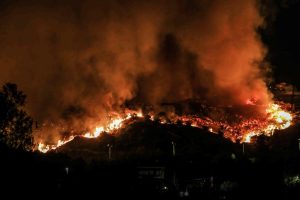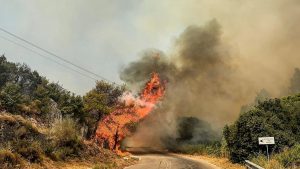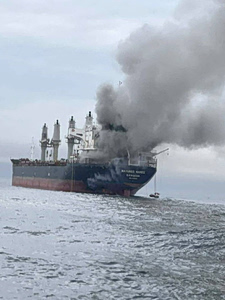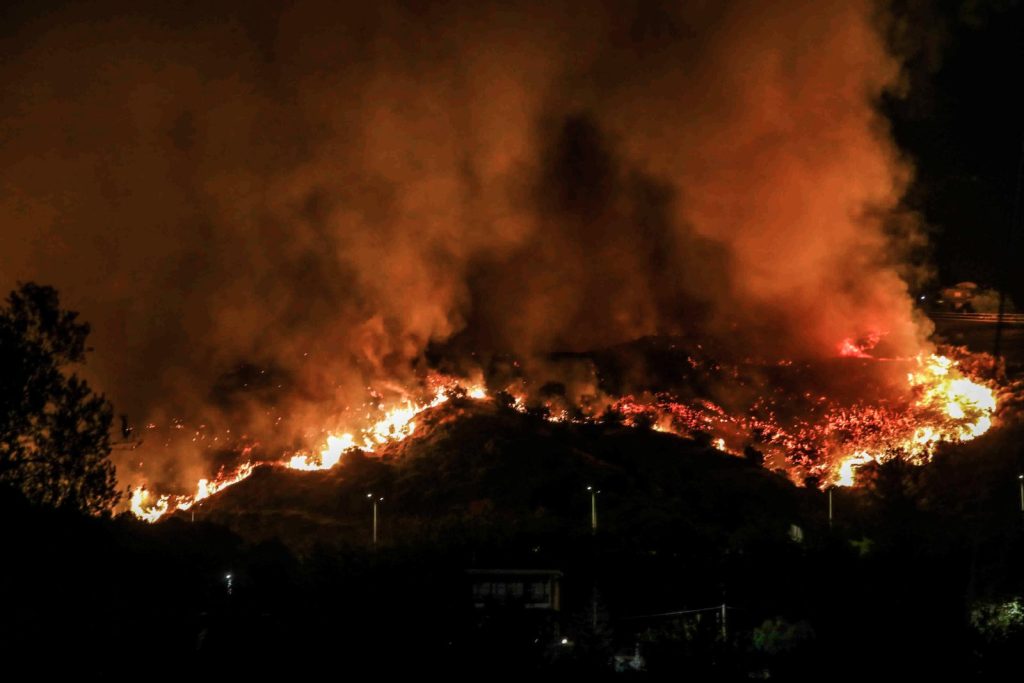

Wildfires are becoming increasingly frequent and severe in Greece and across Europe, driven by record heatwaves, drought, and strong winds. Experts warn that as the planet warms, these conditions will only worsen, putting more lives at risk.
How Deadly Are Wildfires?
Although fewer people die directly from fires compared to floods or heatwaves, the human toll rises sharply when smoke-related deaths are included. Recent studies estimate that wildfire-related air pollution kills around 1.5 million people annually worldwide. Toxic smoke can travel thousands of kilometers, affecting regions far from the original blaze—for instance, smoke from Australian fires reached South America, while Canadian wildfire smoke has polluted European air.
What Causes Wildfires?
Wildfires can start from natural causes, such as lightning, or human activity, including faulty electrical infrastructure, discarded cigarettes, careless campfires, and deliberate arson. While sparks may ignite small fires, weather conditions—especially hot, dry, and windy conditions—determine whether these flames spread.
The Climate Connection
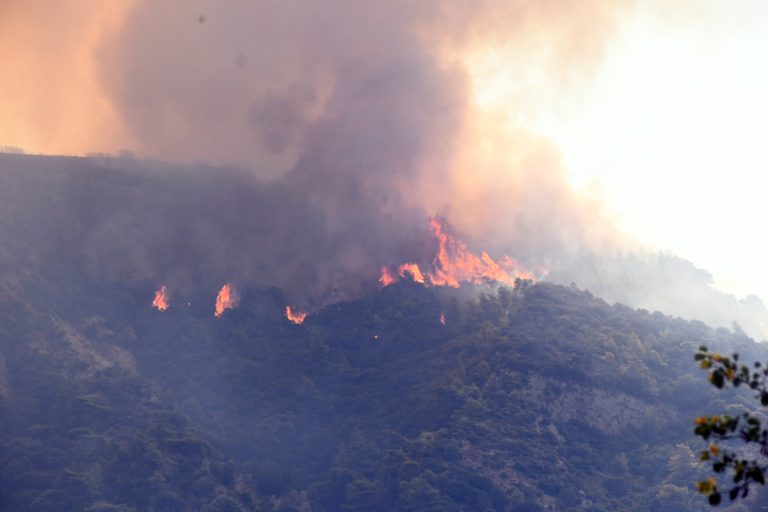
Global warming, driven by fossil fuel pollution, has raised the planet’s temperature by roughly 1.3°C, intensifying heat and drought that dry out forests and grasslands. In the Mediterranean, these factors have contributed to severe fire conditions across countries like Spain, France, Portugal, Turkey, and Greece. Scientific models show that climate change has increased the likelihood of wildfires, and extreme weather events that favor their spread are becoming more frequent.
Are Fires Getting Worse?
While the overall area burned by wildfires has slightly decreased due to land-use changes, climate-driven fires have increased. Studies indicate a small net decrease of around 3.3% in burned land since 1900, but projections suggest that by the end of this century, the total area affected by fires could rise by 40% under optimistic scenarios, or even double in the worst-case scenario.
Reducing Risk and Adapting
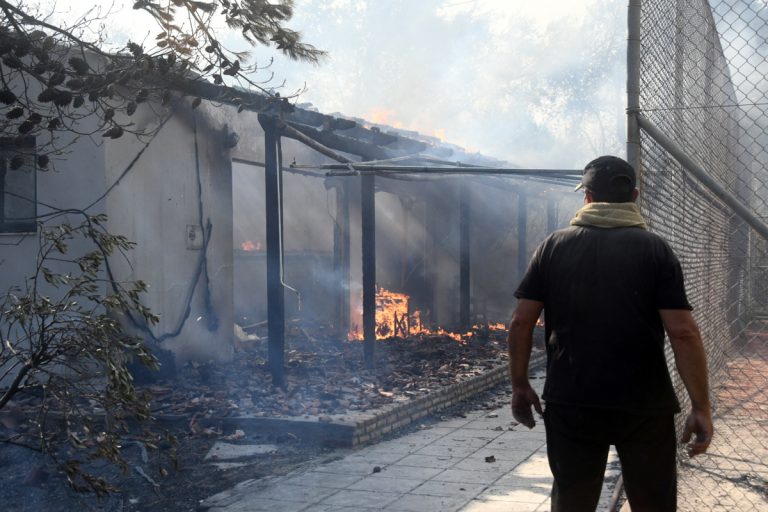
Effective land management can significantly reduce wildfire risks. Strategies include creating firebreaks, avoiding new settlements in high-risk areas, and using grazing animals to control overgrown vegetation. Firefighters are also adopting controlled burning techniques, a practice used by Indigenous populations in Australia and North America, to prevent fuel accumulation and catastrophic fires.
Residents in fire-prone areas should prepare an emergency plan with safe evacuation routes and nearby shelters. Clearing leaves and flammable materials around homes, keeping windows and doors closed to avoid smoke inhalation, and using protective masks are all recommended. Immediate evacuation is crucial when authorities issue warnings or when a home is directly threatened.