 Μake us preferred on Google
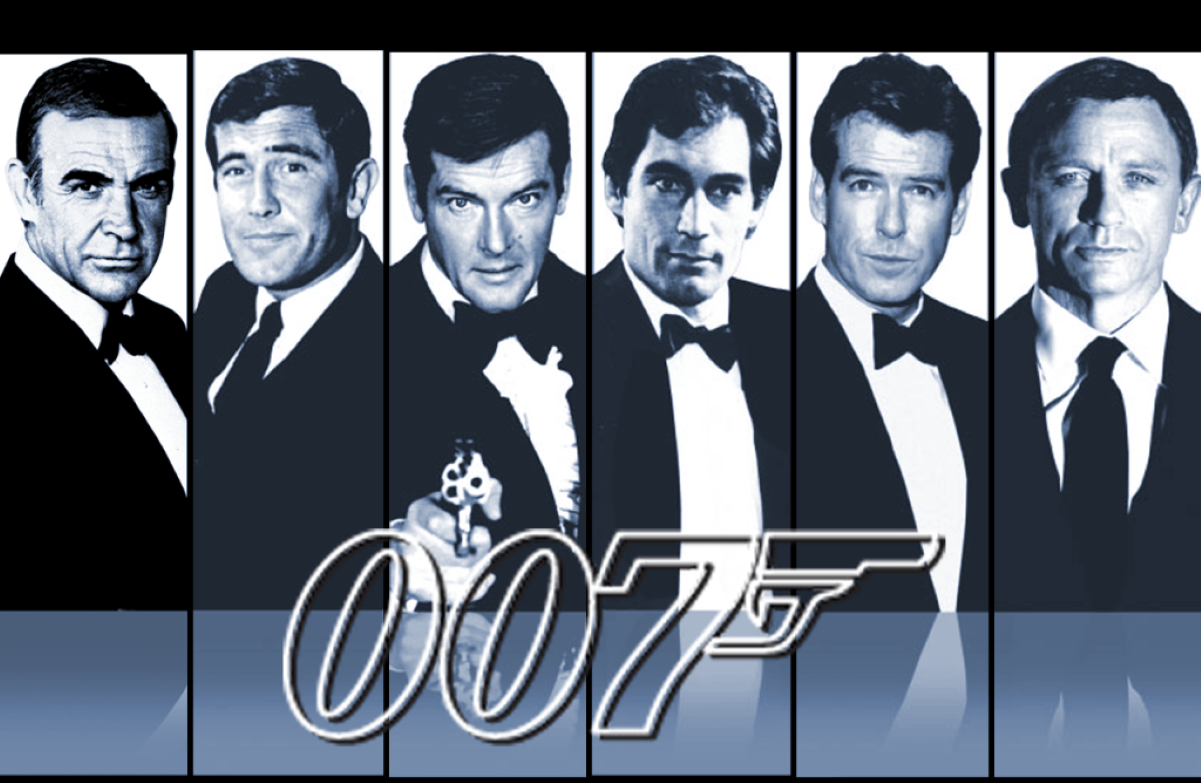
 Few film series have endured, reinvented, and thrived like the James Bond franchise. Since the release of Dr. No in 1962, Agent 007 has become not just a movie hero but a cultural benchmark, reflecting shifting tastes, geopolitics, and entertainment trends for more than six decades. Bond’s popularity is a story of reinvention and spectacle, of spy-fueled fantasy and box office dominance.
The 1960s: The Birth of a Phenomenon
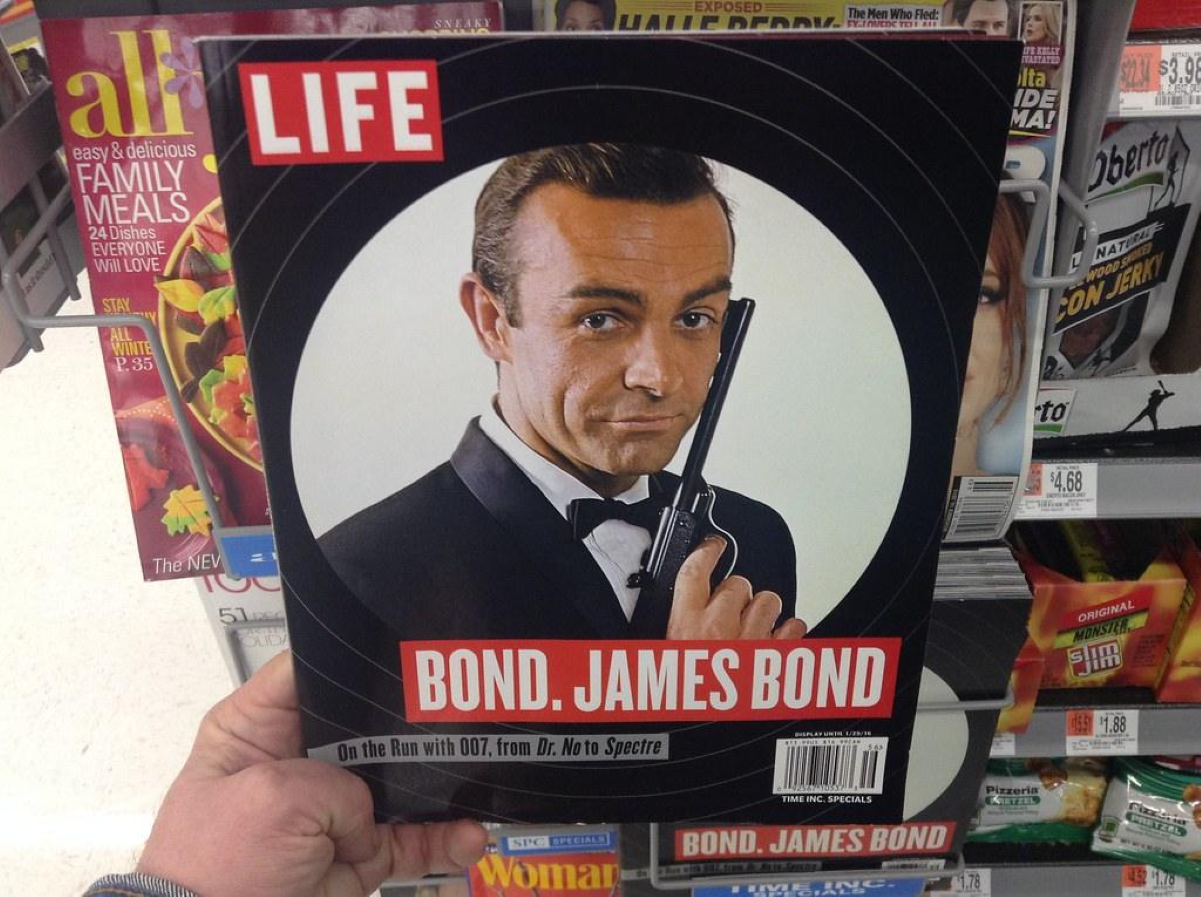
The journey began with modest expectations. Dr. No, starring Sean Connery as the suave British secret agent, was an unexpected hit, sparking a spy craze at the height of the Cold War. With exotic locations, high-tech gadgets, and glamorous women, the Bond formula quickly captivated audiences.
Goldfinger (1964) cemented the franchise’s reputation, introducing the iconic Aston Martin DB5 and the archetypal Bond villain. By the mid-1960s, Bond wasn’t just popular—he was a global sensation.
The 1970s: Expansion and Experimentation
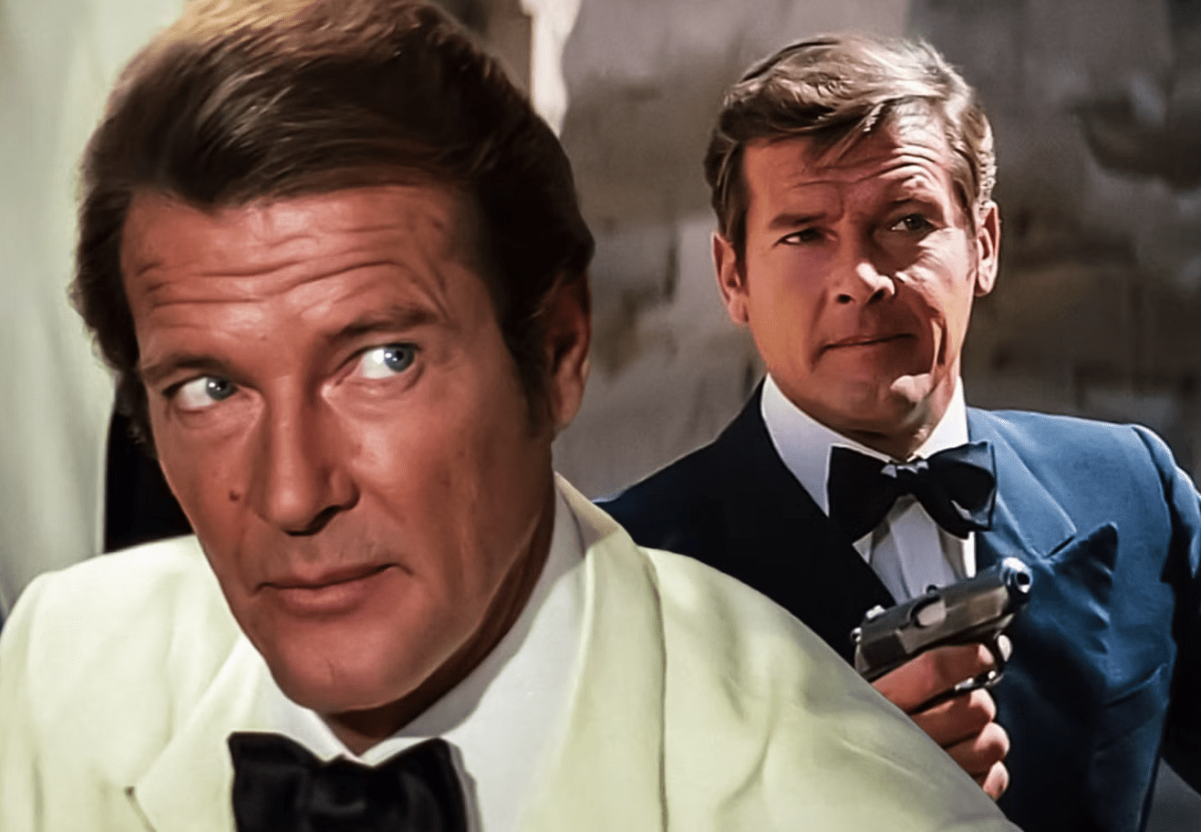
After Connery’s departure, the franchise faced uncertainty but adapted swiftly. George Lazenby’s single outing in On Her Majesty’s Secret Service (1969) gave way to Connery’s brief return, and then to Roger Moore’s lighter, wittier take on 007. Films like The Spy Who Loved Me (1977) and Moonraker (1979) leaned into spectacle, embracing Hollywood trends with bigger budgets and sci-fi flair.
The 1980s: Adjusting to a Tougher Market
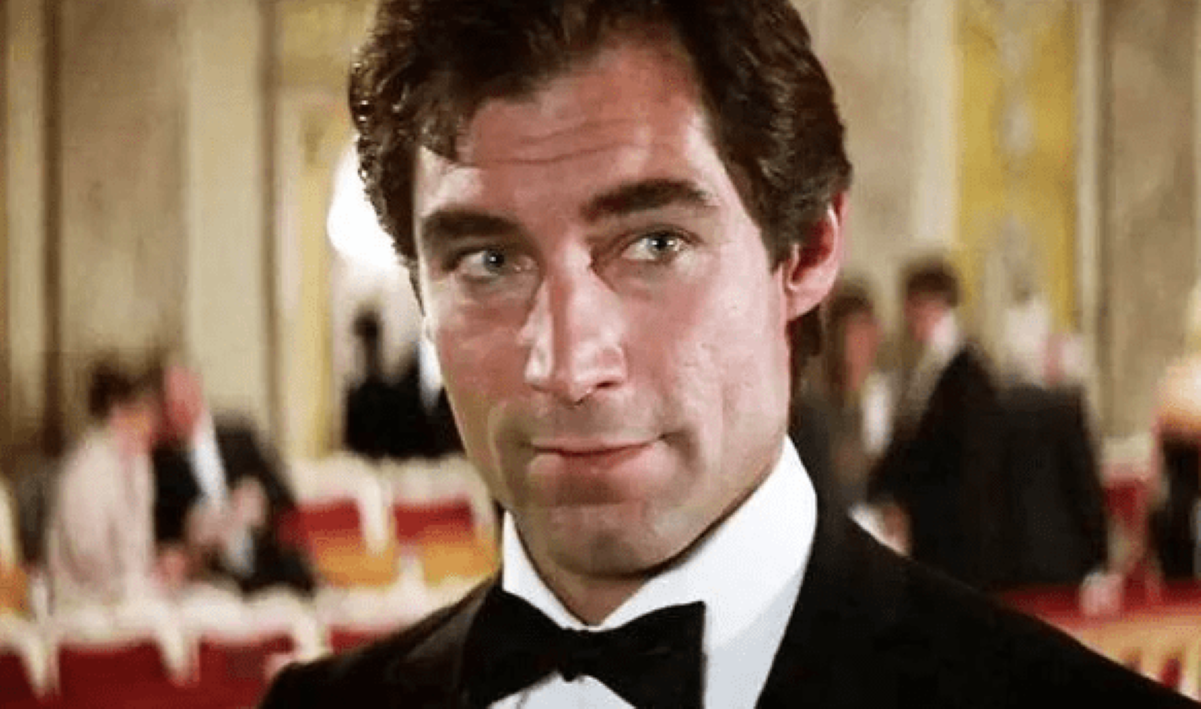
By the 1980s, action cinema was dominated by rugged heroes like Sylvester Stallone and Arnold Schwarzenegger. Bond films such as For Your Eyes Only (1981) and Licence to Kill (1989) experimented with grittier tones and contemporary settings. Timothy Dalton’s portrayal introduced a darker, more serious Bond, closer to Ian Fleming’s vision.
The 1990s: A Triumphant Comeback
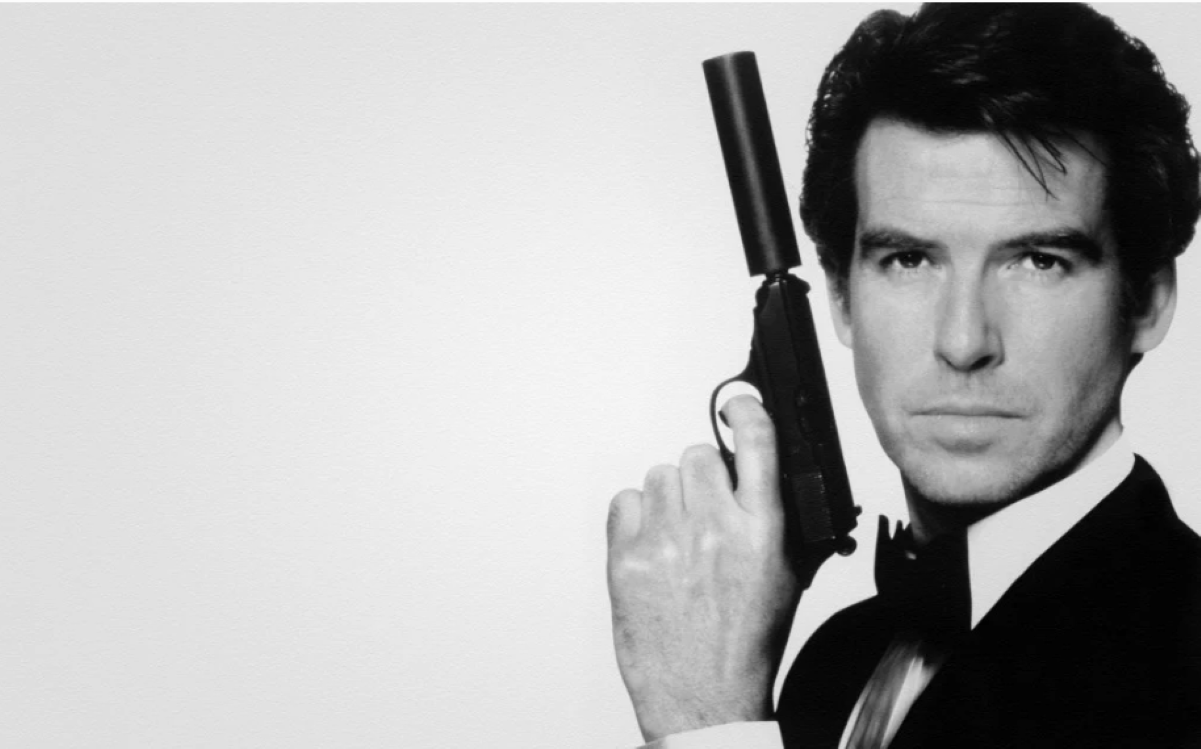
After a six-year hiatus caused by legal disputes, Bond roared back with Pierce Brosnan in GoldenEye (1995). The film re-energized the series for a post–Cold War world, blending traditional Bond style with modern technology and slick action. Brosnan’s charisma and subsequent hits like Tomorrow Never Dies (1997) and The World Is Not Enough (1999) restored Bond’s blockbuster power, securing its future into the new millennium.
The 2000s–2010s: Reinvention for a New Era
A new century demanded another reinvention. With Casino Royale (2006), Daniel Craig introduced a tougher, more vulnerable Bond, stripping away excess in favor of realism and emotional depth. The reboot won acclaim, while Skyfall (2012) became the highest-grossing Bond film ever, surpassing $1.1 billion worldwide.
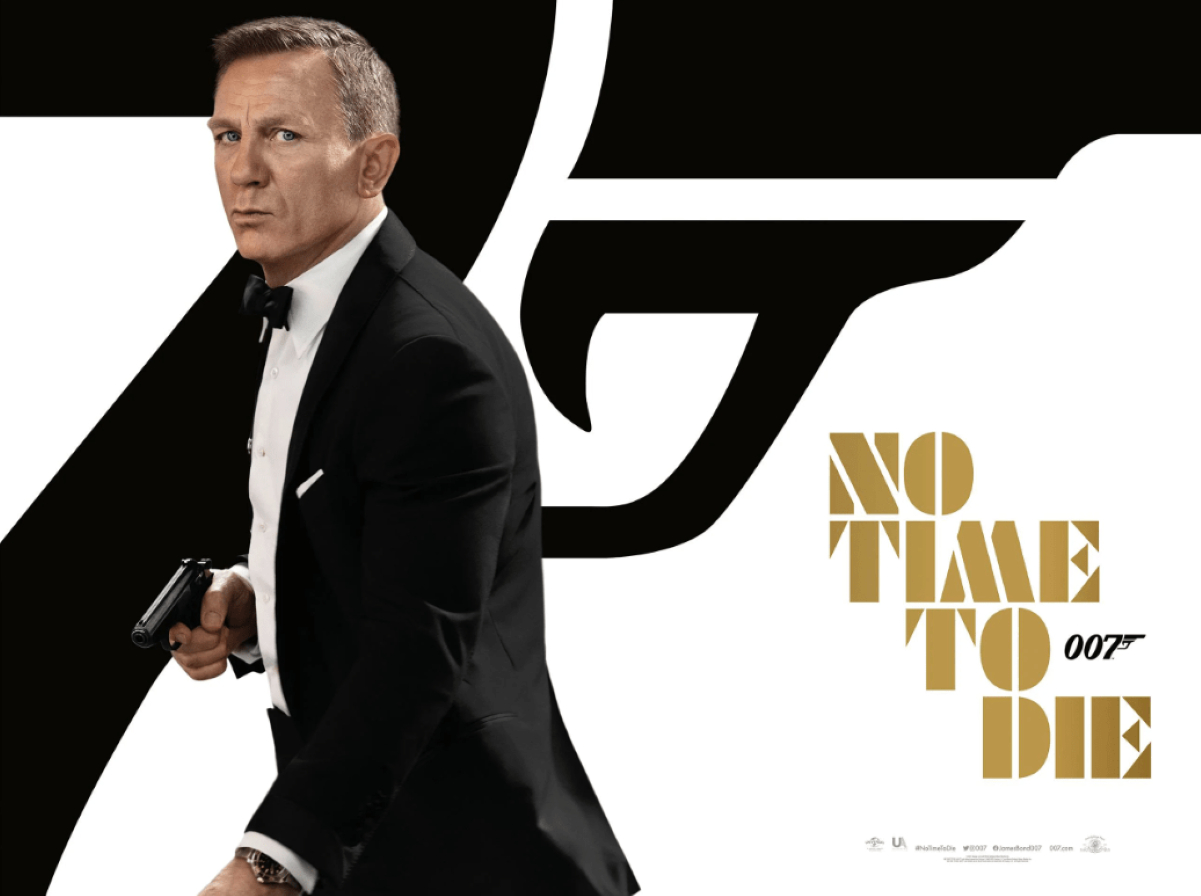
The Craig era modernized Bond for a changing world, updating themes of gender, global threats, and even Bond’s own psychology—without losing the franchise’s signature glamour and grit.
Why Bond Endures
James Bond’s longevity comes from adaptability. Each era reflects its fears—from Cold War espionage to cybercrime and global unrest—while the films also set trends in fashion, cars, music, and cocktails. For over 60 years, Bond has balanced tradition with reinvention, offering both escapist fantasy and timely relevance.