 Μake us preferred on Google
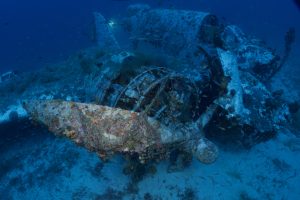
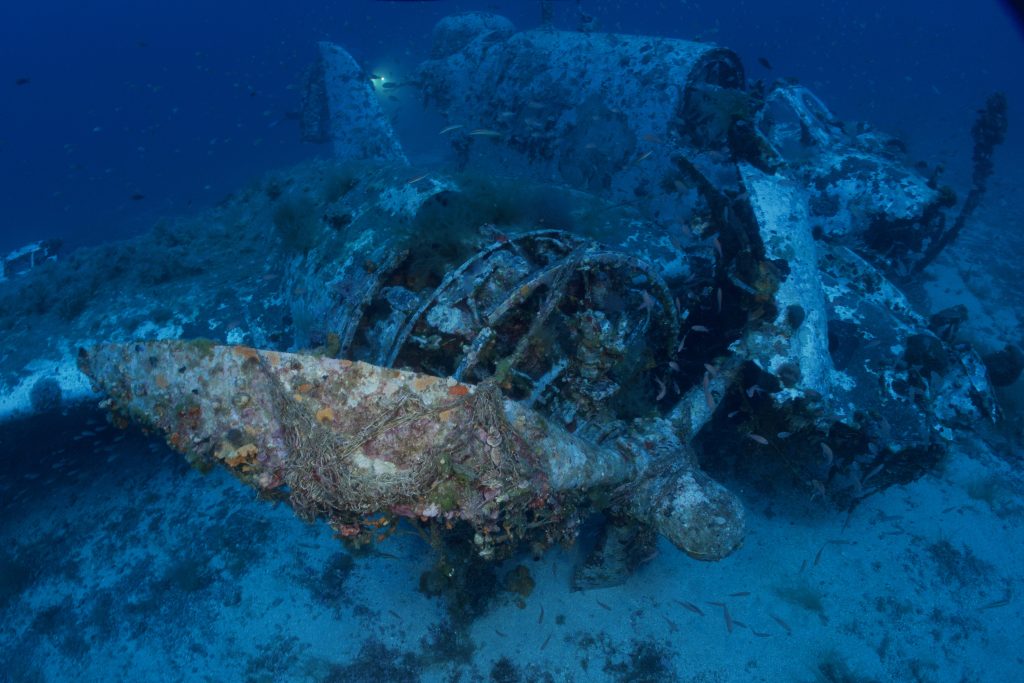
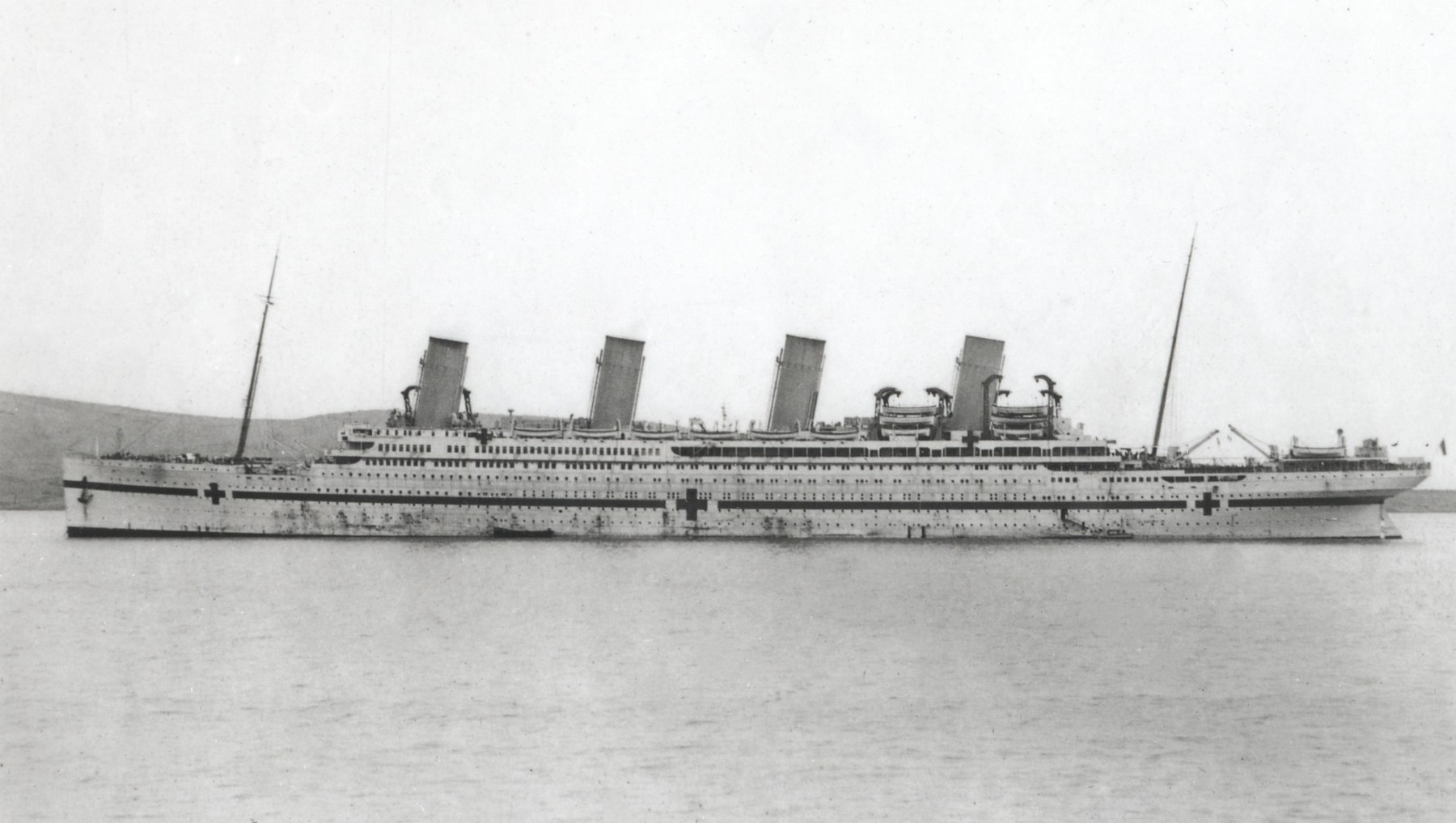
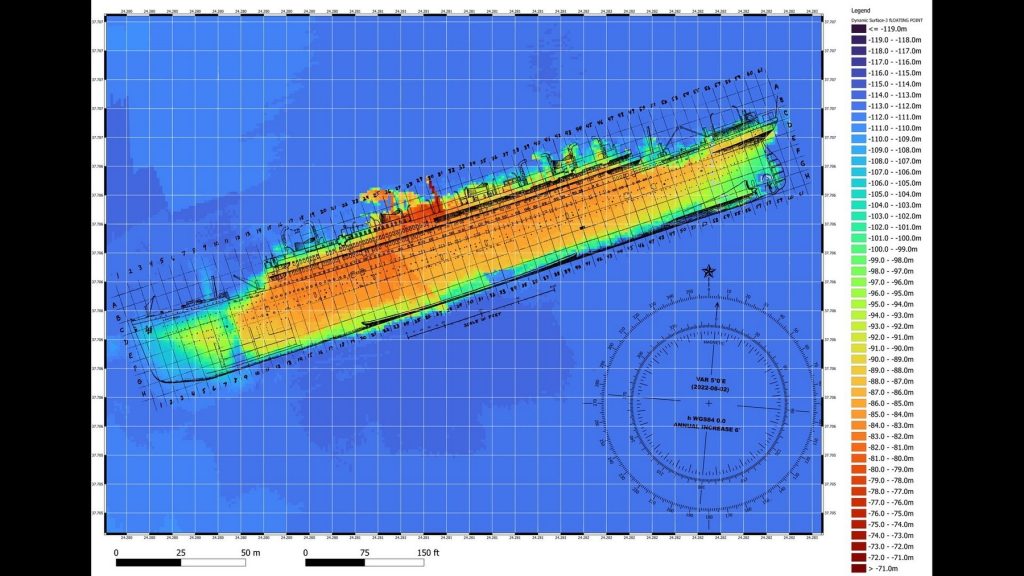
 It is one of the most famous shipwrecks in Greek waters and the sister ship of the most celebrated sunken vessel of all times – the Titanic – with the hulk of HMHS Britannic resting on its port side on the Aegean seabed off the island of Kea (Tzia) since Nov. 16, 1916.
It was at this undersea monument that a research program, approved by Greece’s culture minister, took place early last May to salvage objects from the sunken vessel for the first time at depths of more than 120 meters.
The task of retrieving the objects was undertaken by an 11-member team consisting of professional deep-sea divers using closed-circuit diving equipment. The research was coordinated by British amateur historian Simon Mills, the founder of the Britannic Foundation and several marine salvage experts.
According to a culture ministry announcement, a three-member team from the ministry’s ephorate of underwater antiquities was present during all the dives and underwater research.
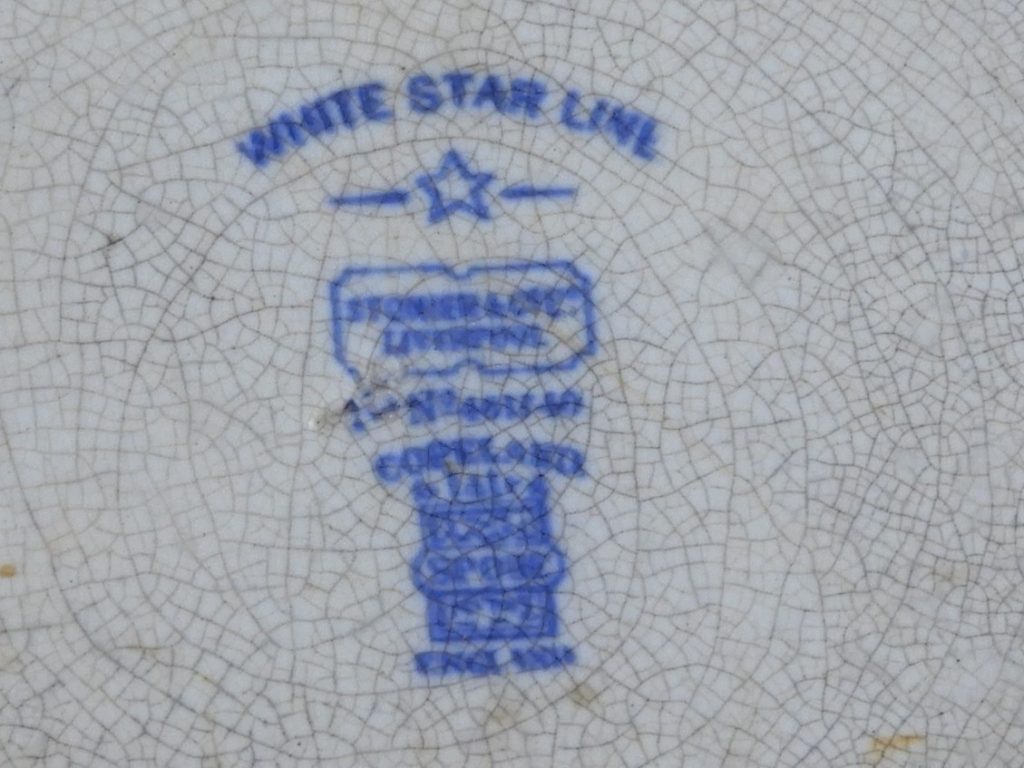
Of particular interest among the recovered objects are the ship’s observation bell, the left navigation light, various portable items of equipment from the first- and second-class decks, ceramic tiles from an Ottoman bathhouse and even a pair of binoculars.
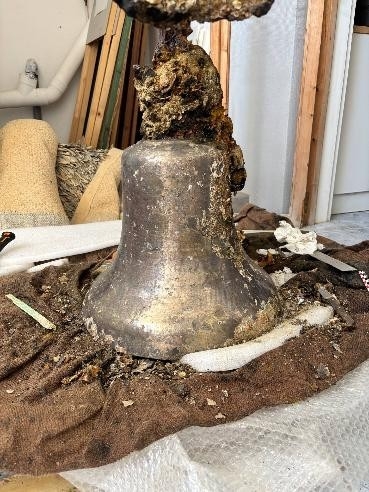
According to the ministry, the salvaged the objects were carefully lifted from the shipwreck by the diving team using air bags, before being placed in specially designed boxes. The process to clean the surfaces of the objects from marine organisms began immediately.
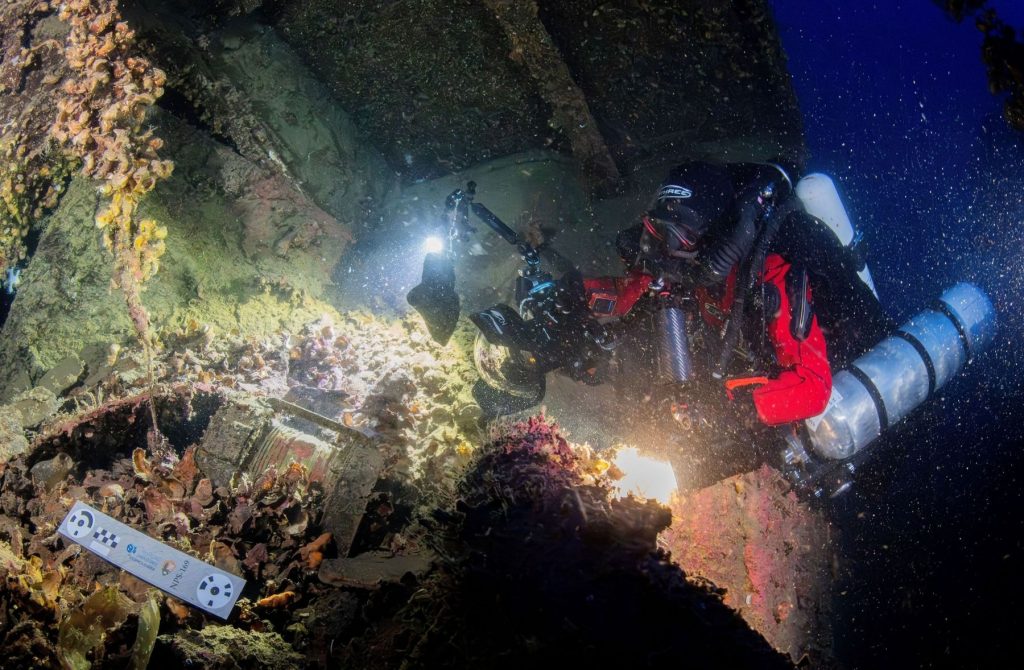
Britannic
Upon completion of the research and salvage operation, all of the objects were transported to the Ephorate of Underwater Antiquities laboratory in Athens, where the conservation process continues.
Moreover, the objects will be included in a permanent exhibition of the National Museum of Underwater Antiquities, currently under construction in the port city of Piraeus, and specifically in the future World War I section.
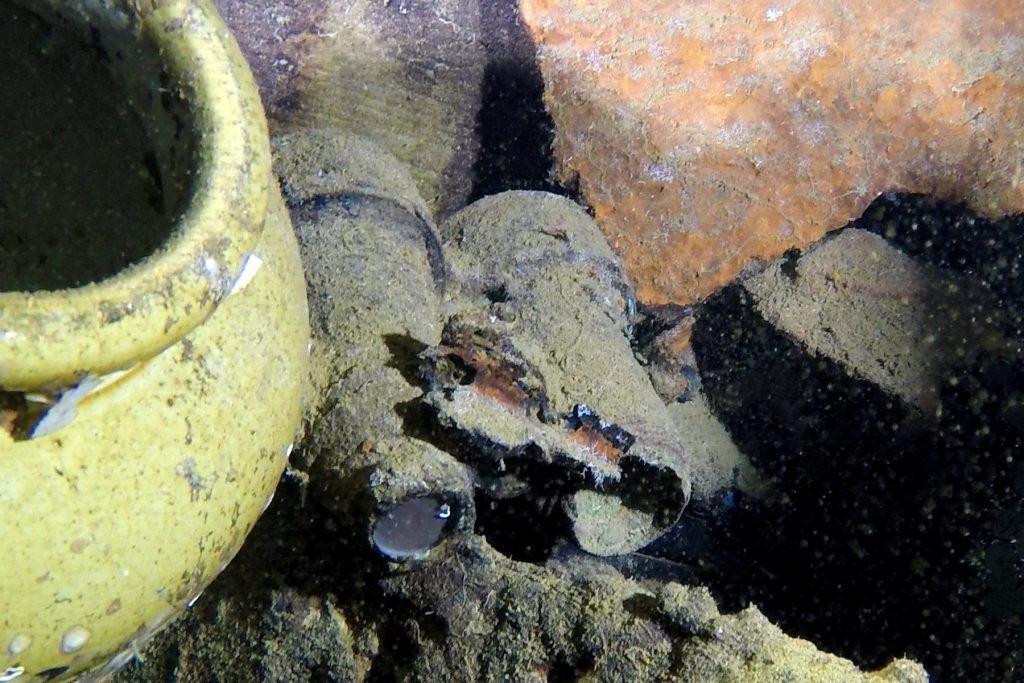
The ill-fated ocean liner was requisitioned by the British admiralty and converted into a floating hospital during World War I. While sailing off Kea, in the northern Cyclades, for the northeast Aegean Island of Lemnos it struck a German mine and sank in less than an hour. Of the 1,065 passengers on board, 30 lost their lives when the ship’s still swirling propellers swept away two lifeboats.
Britannic