The Greek Culture Ministry announced this week that it has added 11 new cultural elements to the National Inventory of Intangible Cultural Heritage.
The list documents cultural practices, expressions, knowledge, and skills recognized as part of national heritage in line with UNESCO’s 2003 Convention for the Safeguarding of Intangible Cultural Heritage.
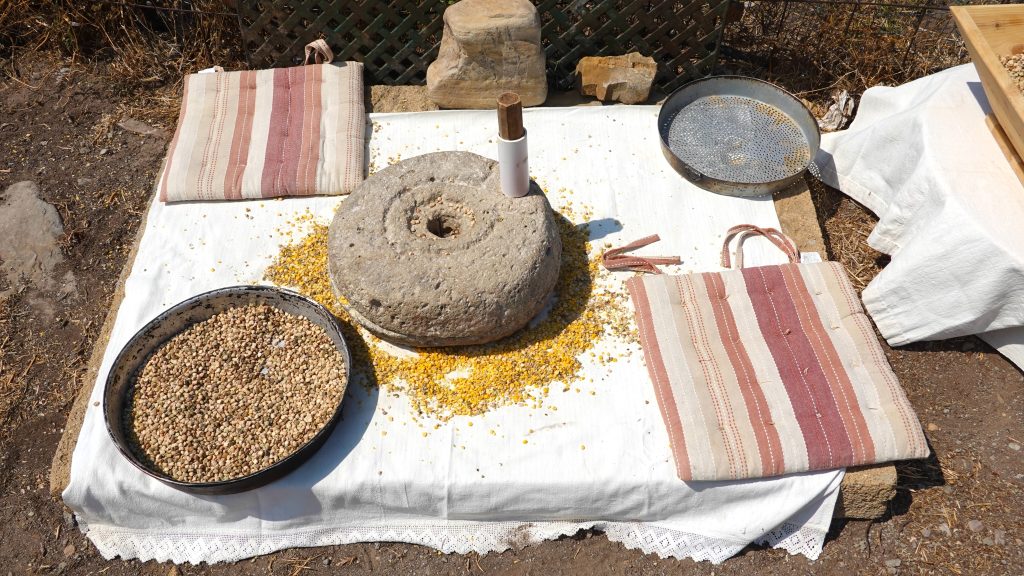
The traditional fava making practice of the Greek islands. Photo: Greek Culture Ministry
The aim of the inventory is to identify, promote, and safeguard heritage by providing official state recognition, increasing community awareness, and facilitating its transmission to future generations.
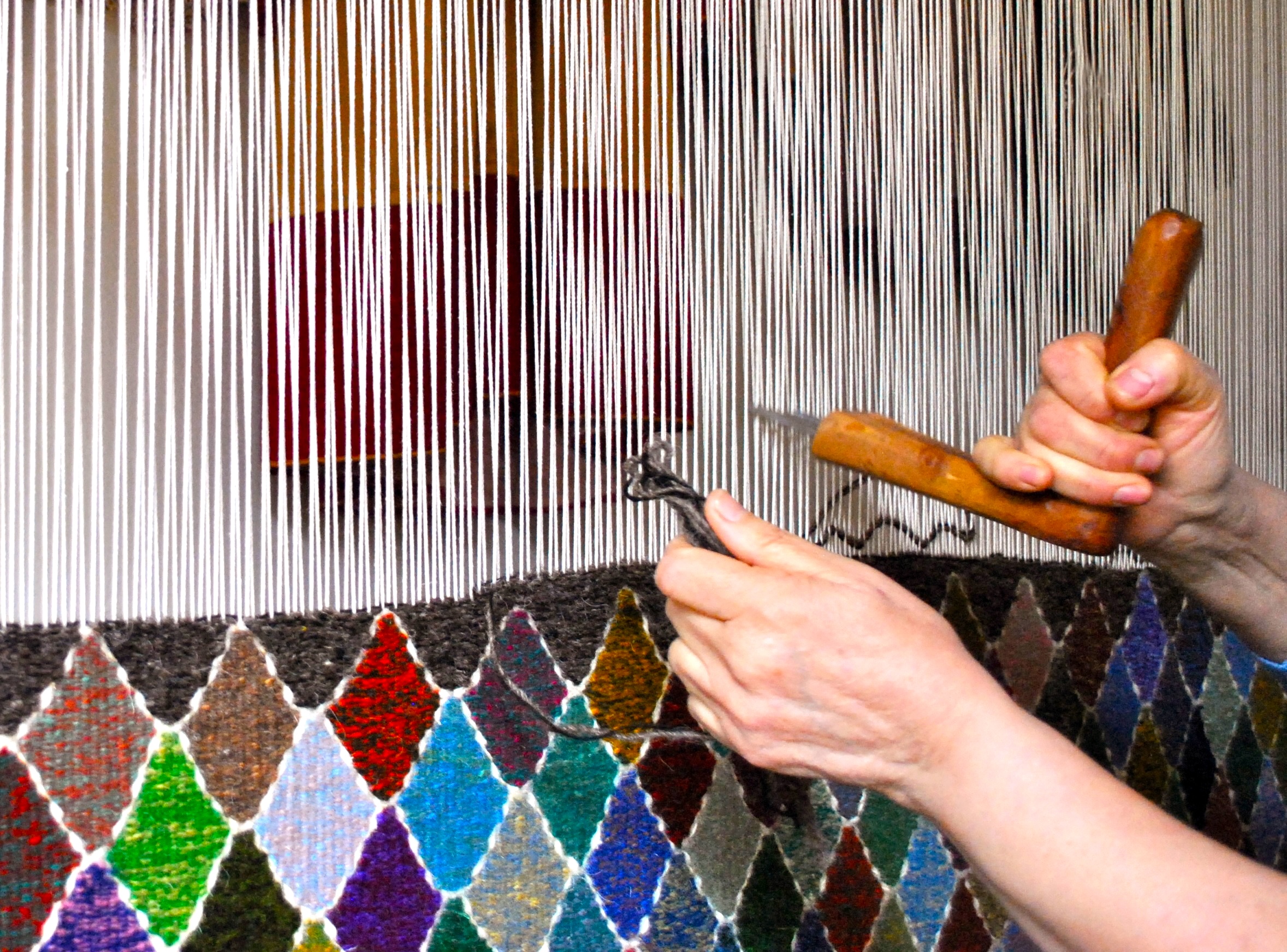
New entries include the Kedara Christmas fire ritual in Fyteia, Imathia; the New Year’s Gahelona dance of Mikrocastro, Kozani; the pottery tradition of Volos; the traditional fava bean cultivation cycle of the Greek islands; the Tsakonian weaving art of kilim rugs; the Bambinden of Petroussa, Drama; the Lazaroudia Easter songs of Rodavgi, Arta; the Argos Orestiko Carnival of Kastoria; the Siniotikos dance of Corfu; the Argos Orestiko trade fair, Western Macedonia; and the cultivation of the Skopelos plum (Agen variety).
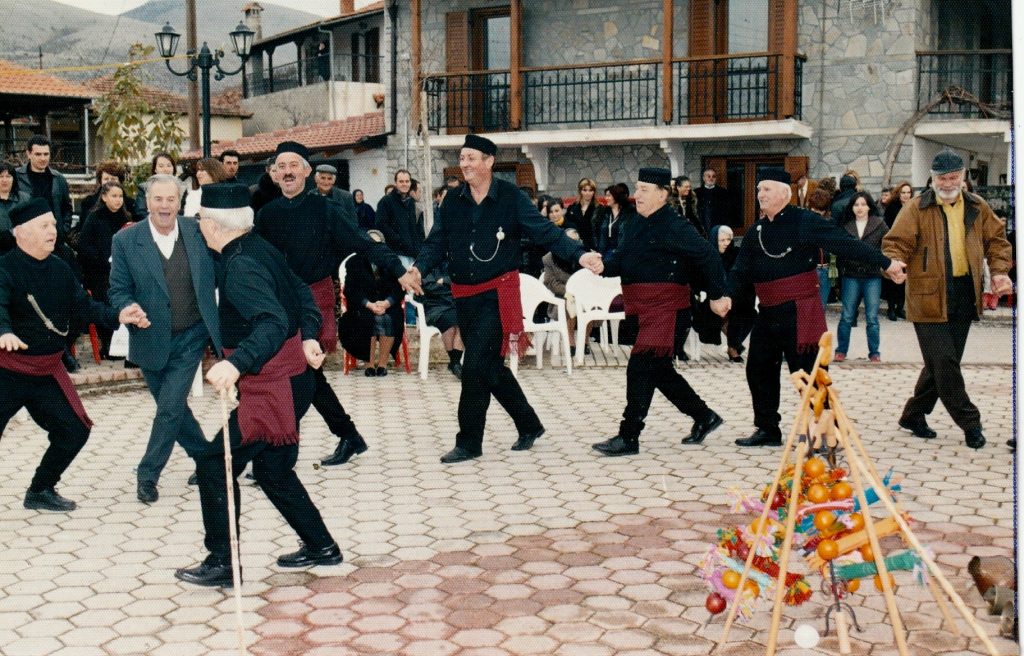
The New Year’s Gahelona dance of Mikrocastro, Kozani. Photo: Greek Culture Ministry
The new additions highlight “the cultural diversity of Greek communities, strengthening collective memory, historical continuity, and cultural sustainability,” said Culture Minister Lina Mendoni.
She went on to add that the inclusion of these 11 traditions in the National Inventory reinforces the intergenerational transmission of knowledge and craftsmanship, encouraging community participation in safeguarding and celebrating cultural identity.