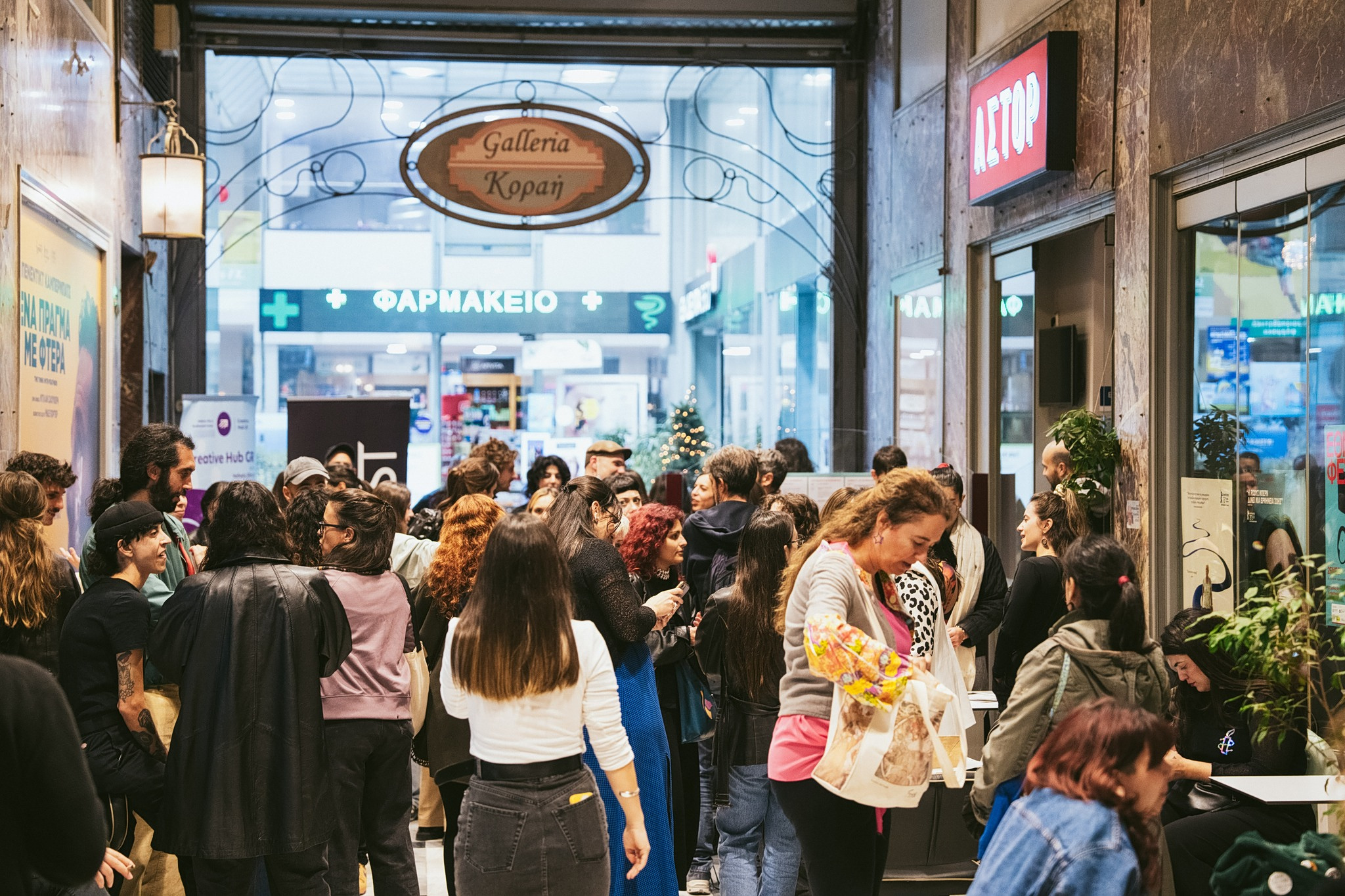
The Athens Ethnographic International Film Festival returns for its 16th edition, bringing thirteen days of screenings both in Athenian cinemas and online across Greece. From November 25 to December 7, audiences are invited into a rich panorama of stories from around the world—films that place human experience at their core and explore the many ways we perceive, interpret and inhabit our shared world.
Conceived as a space of empathy and dialogue, Ethnofest treats cinema as a lens for understanding others and ourselves. Through an expansive lineup of documentaries, tributes and discussions, it affirms the power of the cinematic gaze to bridge distances and illuminate perspectives often overlooked.
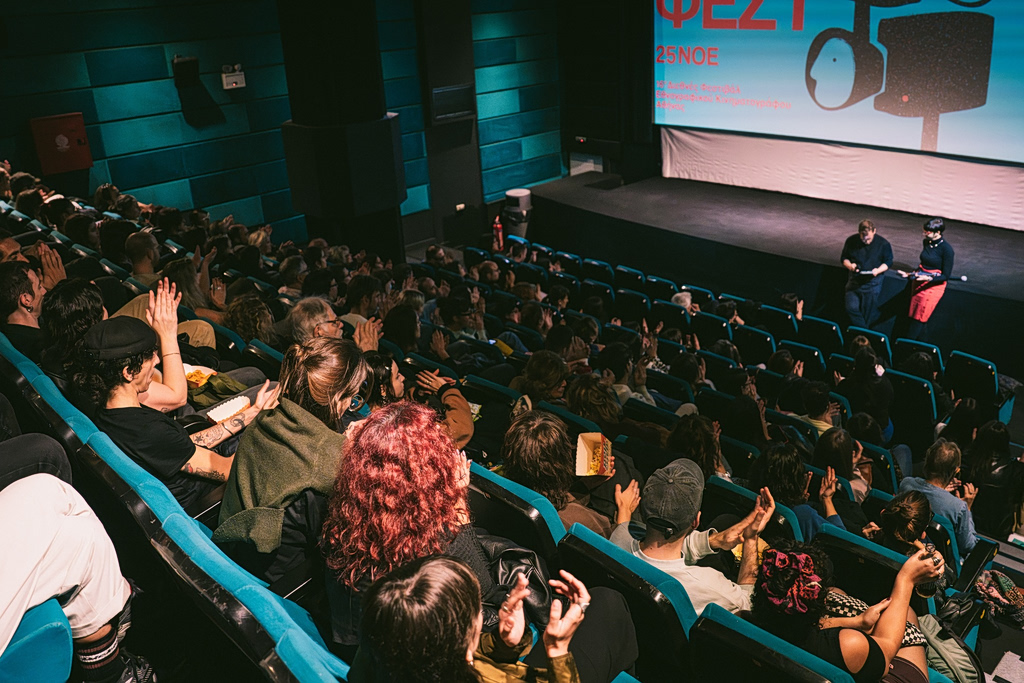
Screenings with free admission will be on a first-come, first-served basis. All the non-English speaking films have English subtitles.
Tribute: “Geographies of the Gaze: Off-Plan Greece (1950–2000)”
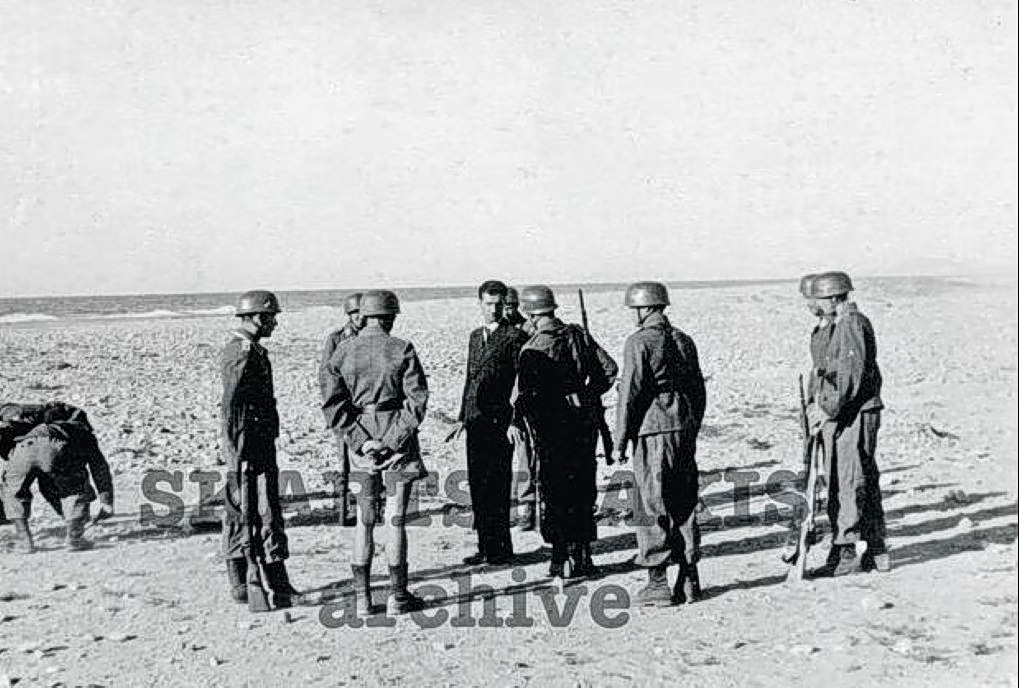
In collaboration with the Thessaloniki International Film Festival, this year’s edition presents a major tribute mapping five decades of rural Greece. Featuring rare documentaries and landmark works, the program traces the spirit, memory and human geography of the Greek countryside. These films reveal cinema as a living archive of the country’s cultural and intellectual heritage.
(Full list of films available on the festival website.)
A Masterpiece Revisited: Ballet (1995)
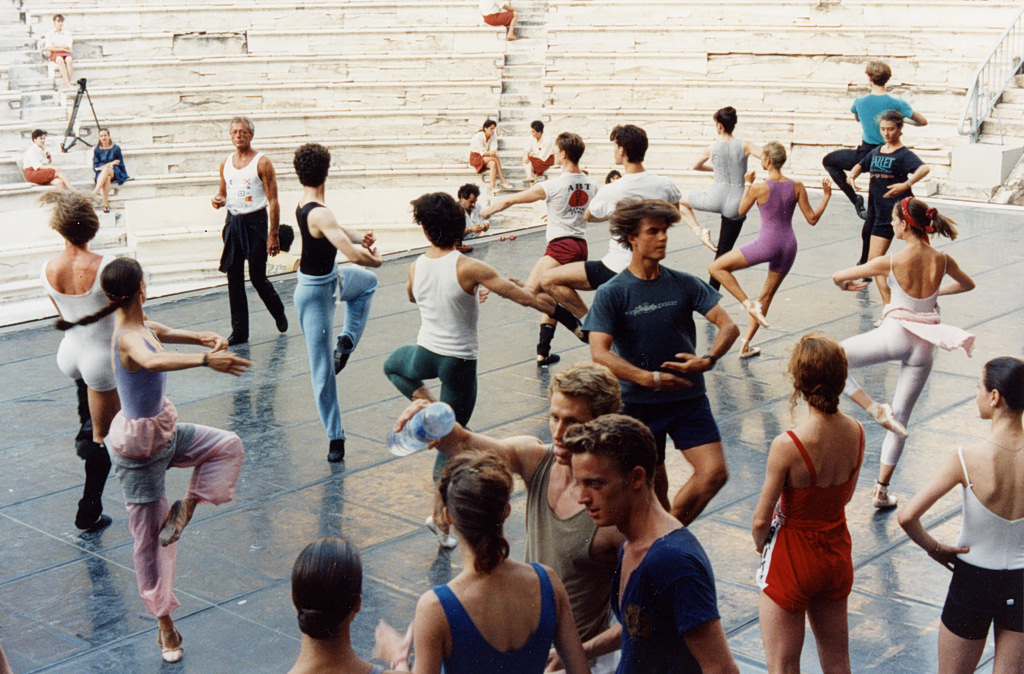
Frederick Wiseman’s celebrated documentary on the American Ballet Theatre returns to the big screen. Ballet (1995) remains a defining example of observational filmmaking.
Wiseman captures rehearsals, classes, artistic meetings and performances, offering a meticulous portrait of the rigorous world behind the elegant façade of dance. His long, unfiltered scenes bring forward themes of physical discipline, artistic negotiation and the intricate dynamics that sustain a major cultural institution.
The film’s first half focuses on choreographic processes, while the second follows the company on a European tour, including stops in Athens and Copenhagen.
SECTION: Sights for Sore Eyes
A renewed and expanded section, Sights for Sore Eyes merges the festival’s Panorama and Experimentation in Ethnography programs. The result is a collection of hybrid and experimental works that challenge assumptions and refresh the ways we look at the world.
Among them is the portrait of life in Rio de Janeiro’s favelas in Circo, directed by Lamia Chraibi, and Minou Norouzi’s On Human Tenderness, a meditative exploration of architectural memory and displacement.
Emilia Auhagen-Kuoppamäki and Leon Emonds-Pool trace the enigmatic disappearance of a scientist in From Here, I Seem to Belong, while Gavriela Gerolemou’s Women Artisans offers a delicate observation of traditional craftsmanship and women’s labor.
Within the same section, viewers will encounter films that examine gold hunting and mythology, personal journeys toward renewal, the role of art in moments of historical trauma, recollections of Cyprus shaped by conflict and longing, and quiet invitations to listen—to landscapes, to memories, and to the voices that remain after loss.
Together, these works form a mosaic of worldviews—an invitation to watch more attentively, and with deeper care.
Ethnofest Meets Architecture
The festival also features Stes Pétres (Taşlara) by Sevina Floridou and the Fisherwomxn collective, Cyprus’ official participation in the 19th Venice Architecture Biennale.
The exhibition, that translates as “In the stones”, centers on the ancient practice of dry-stone walling, highlighting its values of cooperation, ecological respect and shared responsibility in shaping the built environment.
Student Sections: New Voices, New Cinematic Languages
Emerging filmmakers take center stage in two dedicated showcases: Initiations: Greek Student Films (the national competition), and Initiations: International Student Films.
These programs highlight new cinematic voices and innovative works developed within universities, research collectives and international workshops. Many of these films arise from lived experience—personal narratives, everyday practices and local communities—revealing how students experiment with cinematic and ethnographic expression. They offer powerful glimpses into the documentary forms of tomorrow.
(Detailed list of films available in the festival guide.)
Online Screenings: December 1–7
A portion of the program will be available online from December 1 to 7.
More information about accessing the digital program is available at the festival website.
Parallel Events: Anthropology, Music and Dance
18:00 | Tuesday, December 2 | Intangible Cultural Heritage Courtyard
In collaboration with Ethnofest, the Laboratory of Ethnomusicology and Cultural Anthropology (National and Kapodistrian University of Athens) presents two films online followed by an open digital discussion.
Dance and the Ethnographic Camera – Online Panel
What does the camera “see” when it observes bodies in motion? This conversation explores the relationship between cinematic language and the ethnographic study of dance, reflecting on how film can capture embodied experience, community and identity.
Using Kefi: The Story of FDF, the Greek Orthodox Folk Dance Festival (2020) and An Element of Hope (2025) as a starting point, directors Patti Testerman, Natalia Koutsougera and Giorgos Danopoulos join researchers from the NKUA Laboratory and members of #DanceMuse (University of Ioannina) to share insights from years of working with diverse dance forms and cultural expressions.
Further details and ticket information are available on the festival’s official site.