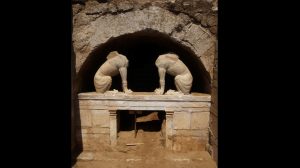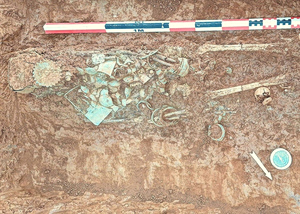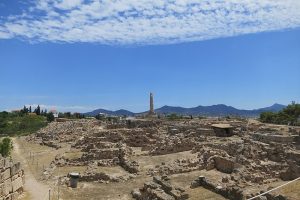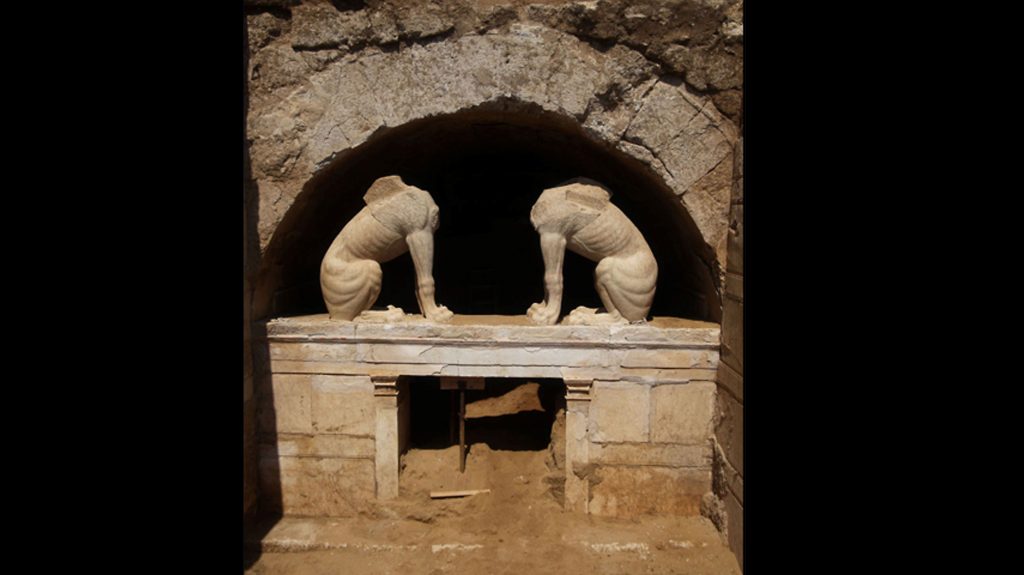

Greece’s Ministry of Culture has launched an ambitious research initiative to reconstruct the original polychromy and decorative program of the Kasta Tomb (Amphipolis Tomb) in Amphipolis, Central Macedonia, a landmark of exceptional archaeological significance.
The project moves forward under a new programmatic agreement between the Ministry, the National Hellenic Research Foundation and the National Centre for Scientific Research “Demokritos.”
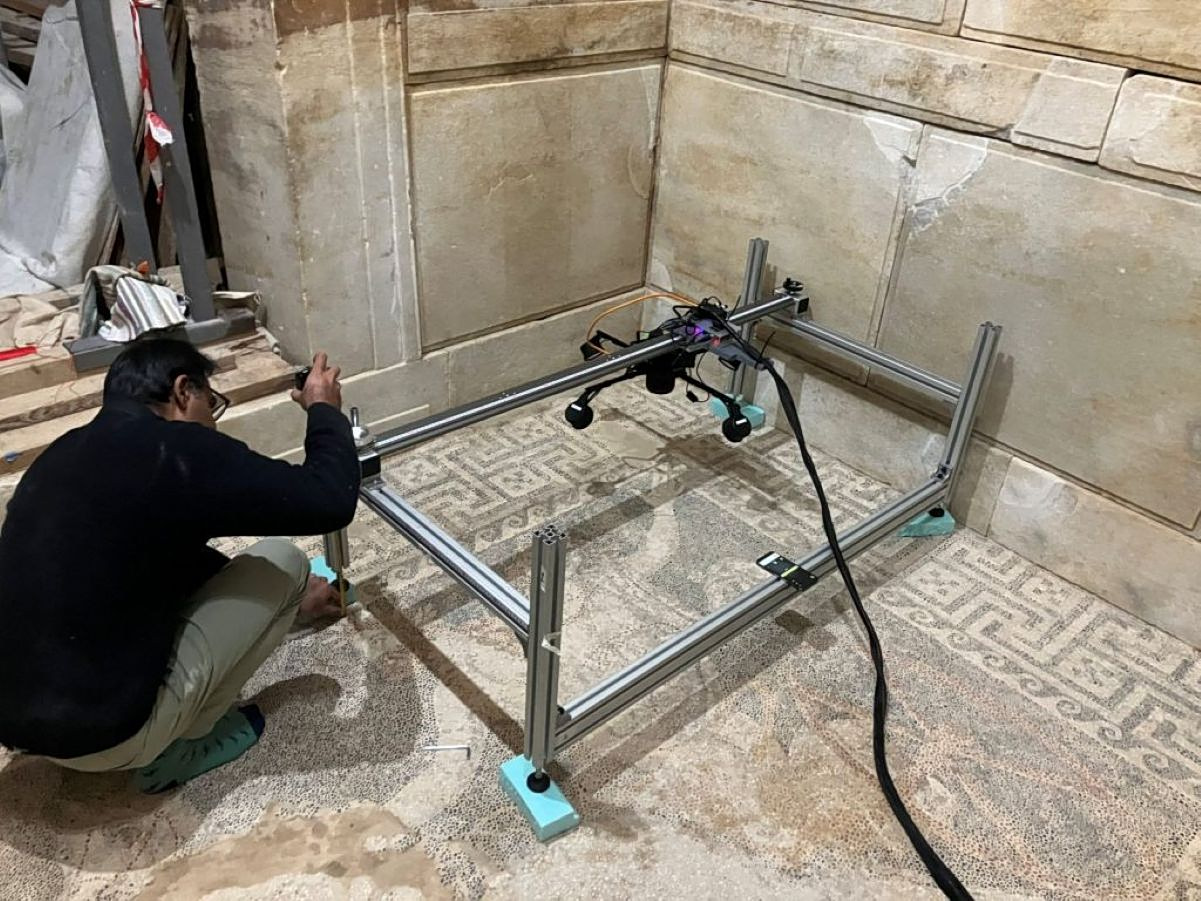
With a budget of 660,000 euros funded entirely by the Ministry of Culture, the project aims to recover and interpret the monument’s visual identity across its historical phases.
Through archaeometric analyses, advanced digital tools and comprehensive archaeological documentation, researchers will produce a full 3D visualization and aesthetic restoration of the tomb’s original appearance. The goal is to clarify its use, significance and dating, while shedding new light on decorative elements that time has rendered fragmentary or obscure.
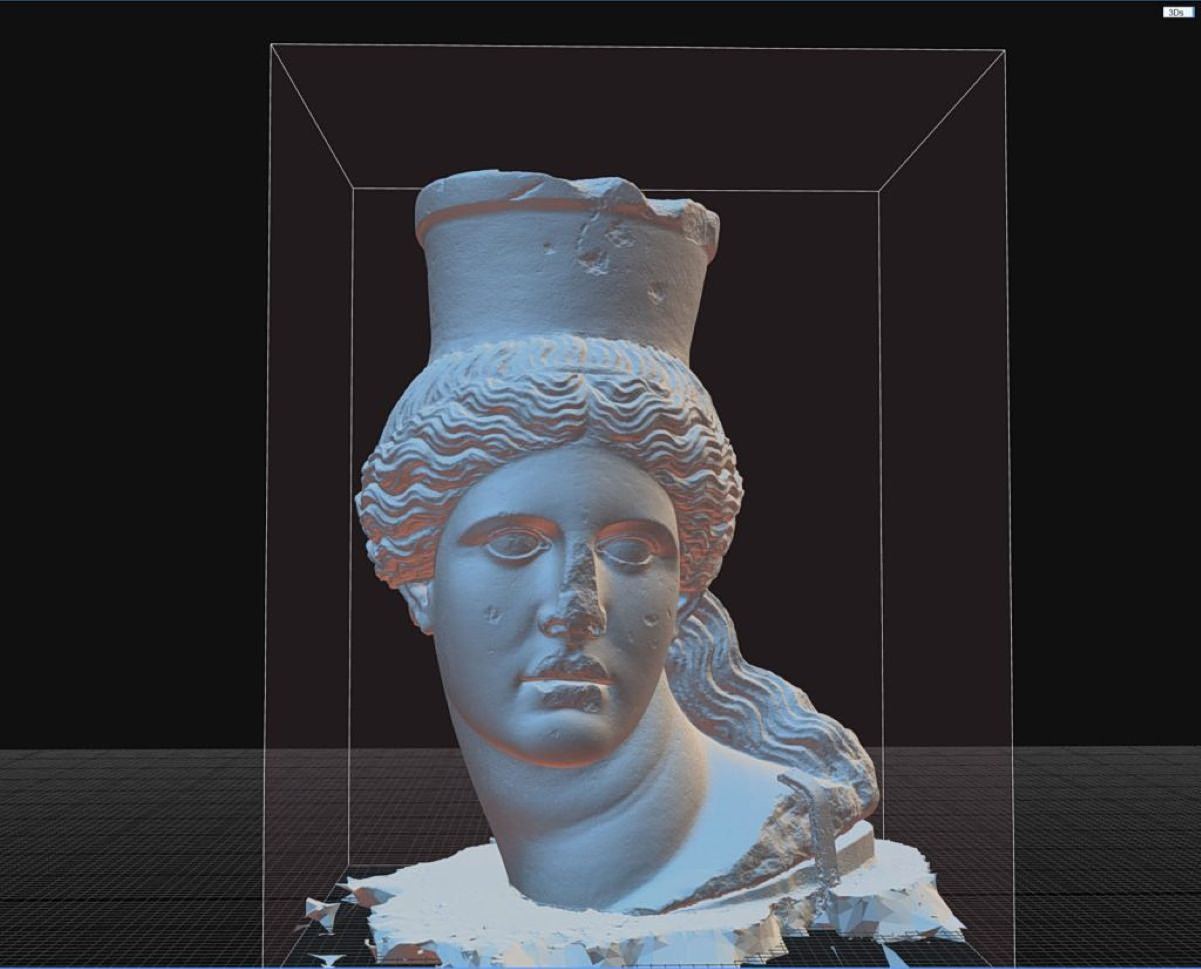
Factum Arte (Madrid)
Beyond scholarship, the project is designed to transform public engagement. By integrating cutting-edge digital technologies, it will allow visitors to explore the monument virtually, interact with its architectural and artistic features, and access visualized scientific data that underpin the reconstruction.
The research will draw on specialized archaeometric measurements performed at Demokritos laboratories and international partner centers, high-tech 3D scanning, digital reconstruction platforms, and physical replicas of key elements such as the Sphinxes, the mosaic and the Lion pedestal.
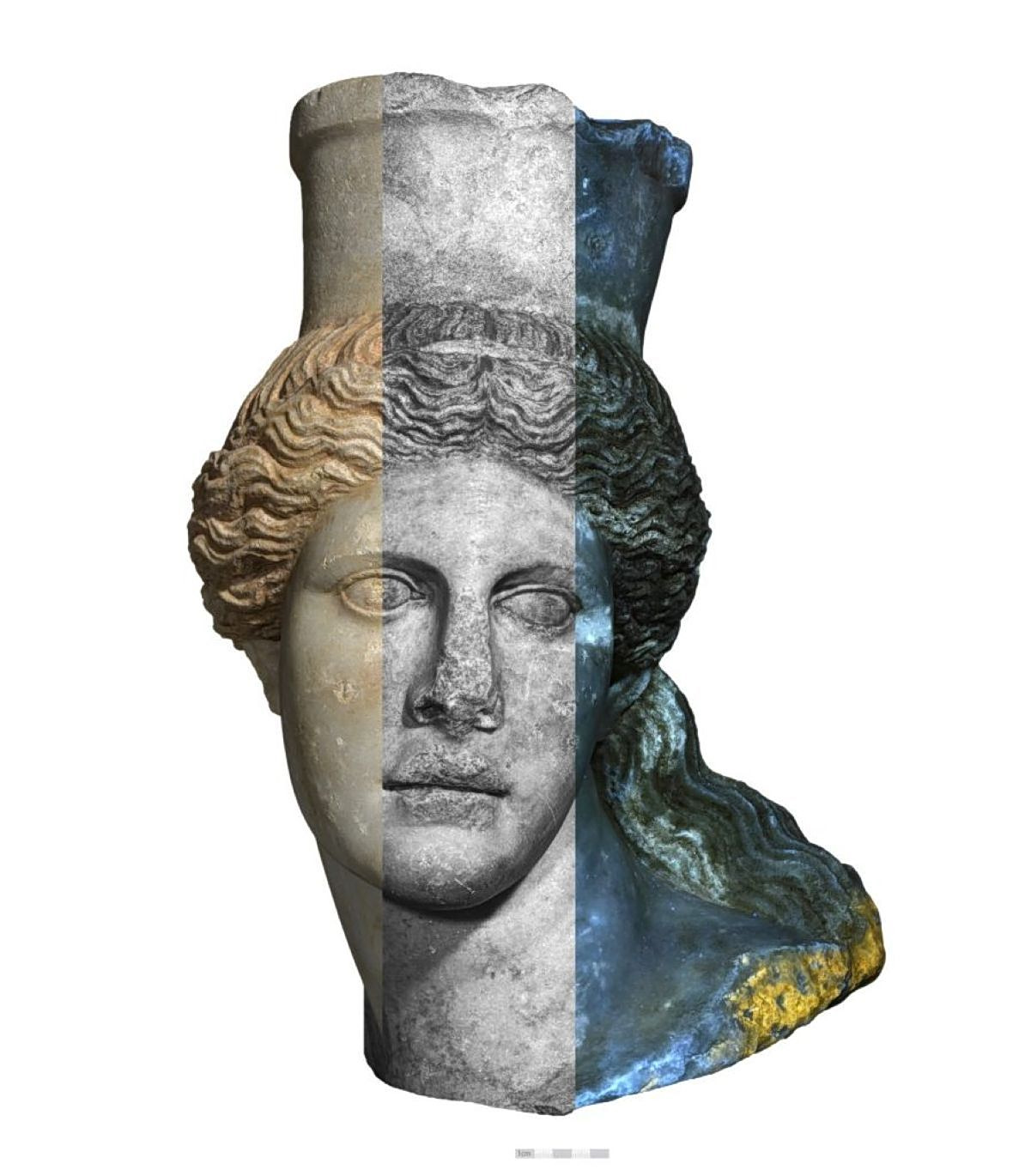
Digital models and VR videos will enrich both study and presentation. Visual artists will collaborate in restoring missing or faded iconography—on both the mosaic and painted marble friezes—using AI-assisted techniques informed by scientific data.
Culture Minister Lina Mendoni described the Kasta tomb as an “emblematic monument of immense historical and archaeological value” that demands an integrated, holistic strategy for its protection.
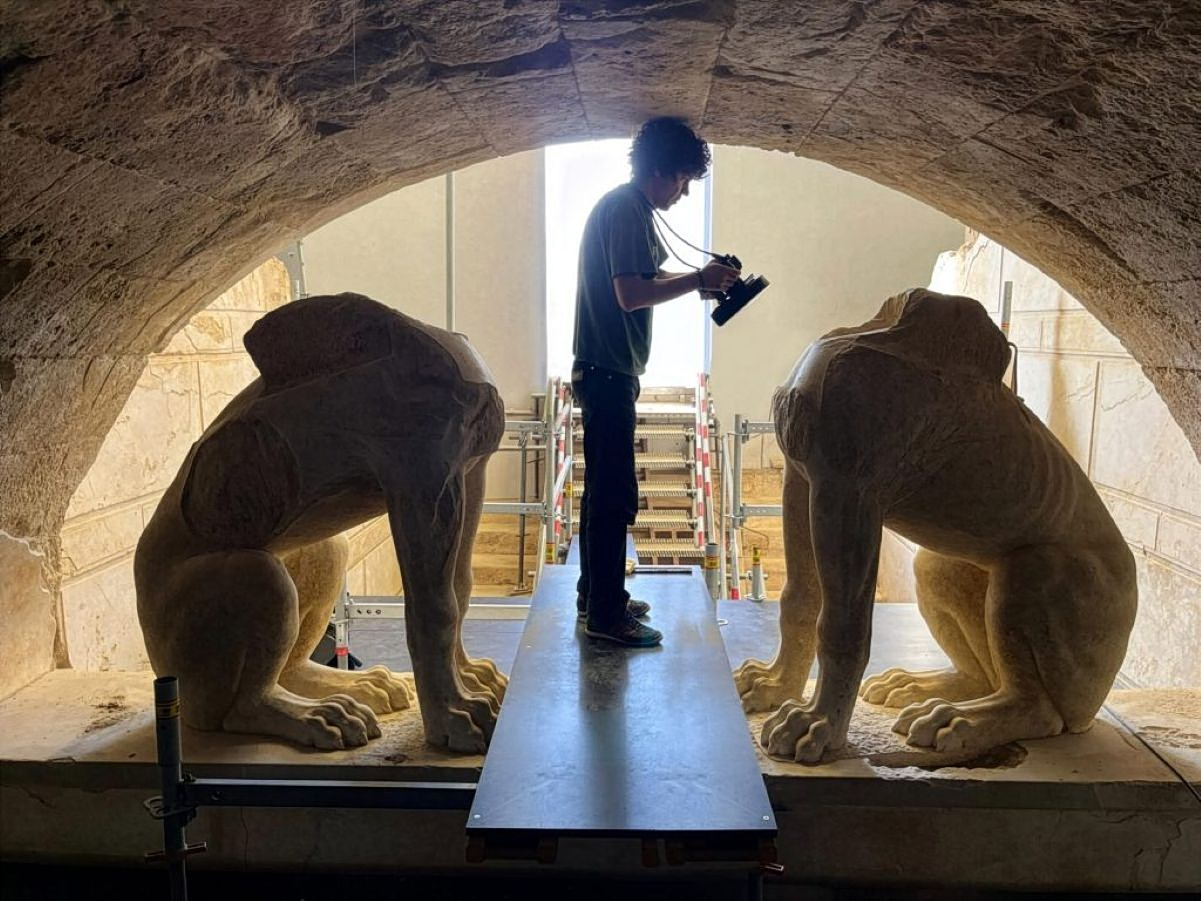
She noted that restoration works exceeding 11 million euros are already underway, funded through the 2021–2027 EU program, the National Development Program and the regular state budget, with completion targeted for the end of 2027.