A new survey shows that a significant majority of Britons would back returning the Parthenon Sculptures to Greece in a referendum. Many also support changing UK law to let museum trustees, not just the government, decide their fate, with respondents highlighting the sculptures’ central role in Greece’s cultural heritage.
Survey Findings and Visual Influence
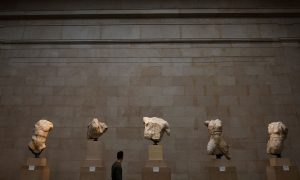
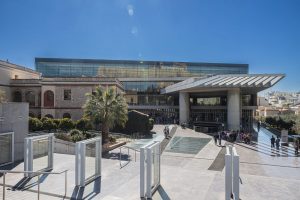
The poll, carried out between August 28 and September 1 by JL Partners on behalf of the Parthenon Project, found that 61% of respondents favored the sculptures’ unconditional return after seeing photographs of the statues in both London and Athens, compared with 30% who wished them to remain at the British Museum. Earlier in the survey, before viewing the images, 54% backed repatriation while 29% opposed it. By comparison, a YouGov poll last December put support for returning the antiquities at 53%.
Support Across Party Lines
Support crosses political boundaries. Among Labor voters, 62% endorsed returning the sculptures, alongside 51% of Conservative supporters and 56% of those backing the populist Reform UK party, despite leader Nigel Farage publicly opposing their return. If a referendum were held tomorrow, 56% of Britons would vote in favor, against just 22% who would keep the statues in London.
When asked about the appropriate home for the artworks, 55% pointed to the Acropolis Museum in Athens, with 32% favoring the British Museum. An overwhelming 73% also recognized the sculptures as an integral part of Greek culture.
A Correction of “Historic Injustice”
The survey frames repatriation as a correction of a “historic injustice”: 68% of respondents said returning the sculptures is “the right thing to do,” while 72% saw them not as individual pieces but as a unified work of art. Two-thirds of participants viewed the move as reflecting British values and a chance to strengthen the country’s role in cultural diplomacy.
Future Planning and Collaboration
Future planning was also a focus. About 74% believed repatriation should coincide with the closure of the Duveen Gallery, currently housing the sculptures, as part of the museum’s renovation from 2026. Two-thirds expressed support for a long-term Greek-British cultural collaboration.
Ioannis (John) Lefas, founder of the Parthenon Project, highlighted a potential “win-win” solution: the permanent return of all sculptures to Athens, while the British Museum could display other Greek artifacts in a new gallery under joint Greek-British oversight, ensuring funding and educational programming.
Who Should Decide the Fate?
The survey also showed 42% of Britons believe museums and trustees themselves should decide the sculptures’ fate, aligning with calls from prominent UK cultural figures for legal reform.
Voices from the Parthenon Project
“Support for returning the Parthenon Sculptures spans all ages, regions, and political affiliations,” said Lord Ed Vaizey, former culture minister and Parthenon Project co-chair. “Museum trustees have the chance to make history and forge a forward-looking cultural partnership with Greece,” added Baroness Thangam Debbonaire, co-chair of the project.