It all began in 1978 in a schoolyard in Sheffield, England, where 15-year-old Jarvis Cocker met 14-year-old Peter Dalton, and the two decided to form a band. Cocker wanted to call it Pulp, inspired by the 1972 British comedy thriller of the same name. Later, they drew inspiration from a Financial Times article that mentioned Arabica coffee beans and, with a slight change in spelling, adopted the name Arabicus Pulp.
With Cocker, Dalton and two friends, David “Fungus” Lockwood and Mark Swift, in the lineup, the band gave its first public performance at the Rotherham Arts Centre in July 1980. Later that year, Cocker met Russell Senior, who would become a future member of the group.
At the height of their critical and commercial success, by then known simply as Pulp, the band consisted of Jarvis Cocker (vocals, guitar, keyboards), Russell Senior (guitar, violin), Candida Doyle (keyboards), Nick Banks (drums, percussion), Steve Mackey (bass) and Mark Webber (guitar, keyboards).
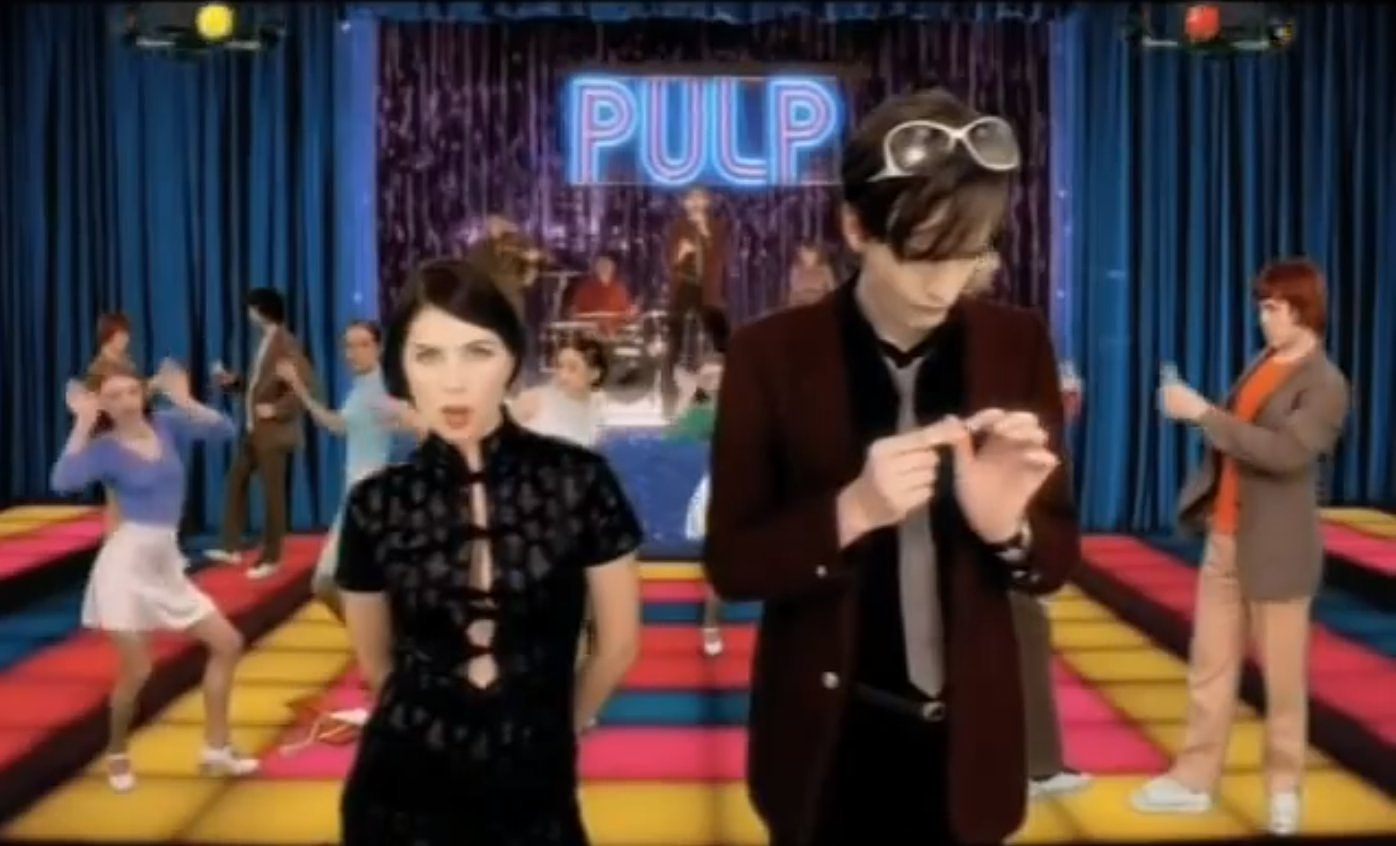
The band’s “kitchen sink drama” lyrics — rooted in the 1950s and 1960s cultural movement of social realism, which explored the lives and struggles of Britain’s working class — combined with references to British culture to make Cocker and Pulp the “reluctant” leading figures of the Britpop movement.
The documentary Pulp: What Do You Do for an Encore? — or, more accurately, the 98-minute music film directed by Garth Jennings — follows Pulp through their triumphant return to the stage and to music.
The band released We Love Life in 2001 and subsequently took a 10-year hiatus, having sold more than 10 million records. They reunited in 2011 to perform at numerous festivals and came together again in 2022. In June 2025, they released their eighth album, More, and performed at the Glastonbury Festival to rave reviews.
The Film’s Challenge
How does a band like Pulp, which began in 1978, manage to remain fresh and creative to this day? This is one of the main questions the film sets out to answer, among others, featuring the band’s triumphant 2025 concerts at London’s O2 Arena.
The film opens with singer Jarvis Cocker talking with the director about what audiences are about to see. Alternating between live performances, archival footage and interviews, it traces the band’s awkward beginnings, its key musicians, the breaks along its journey, its new material and its future.
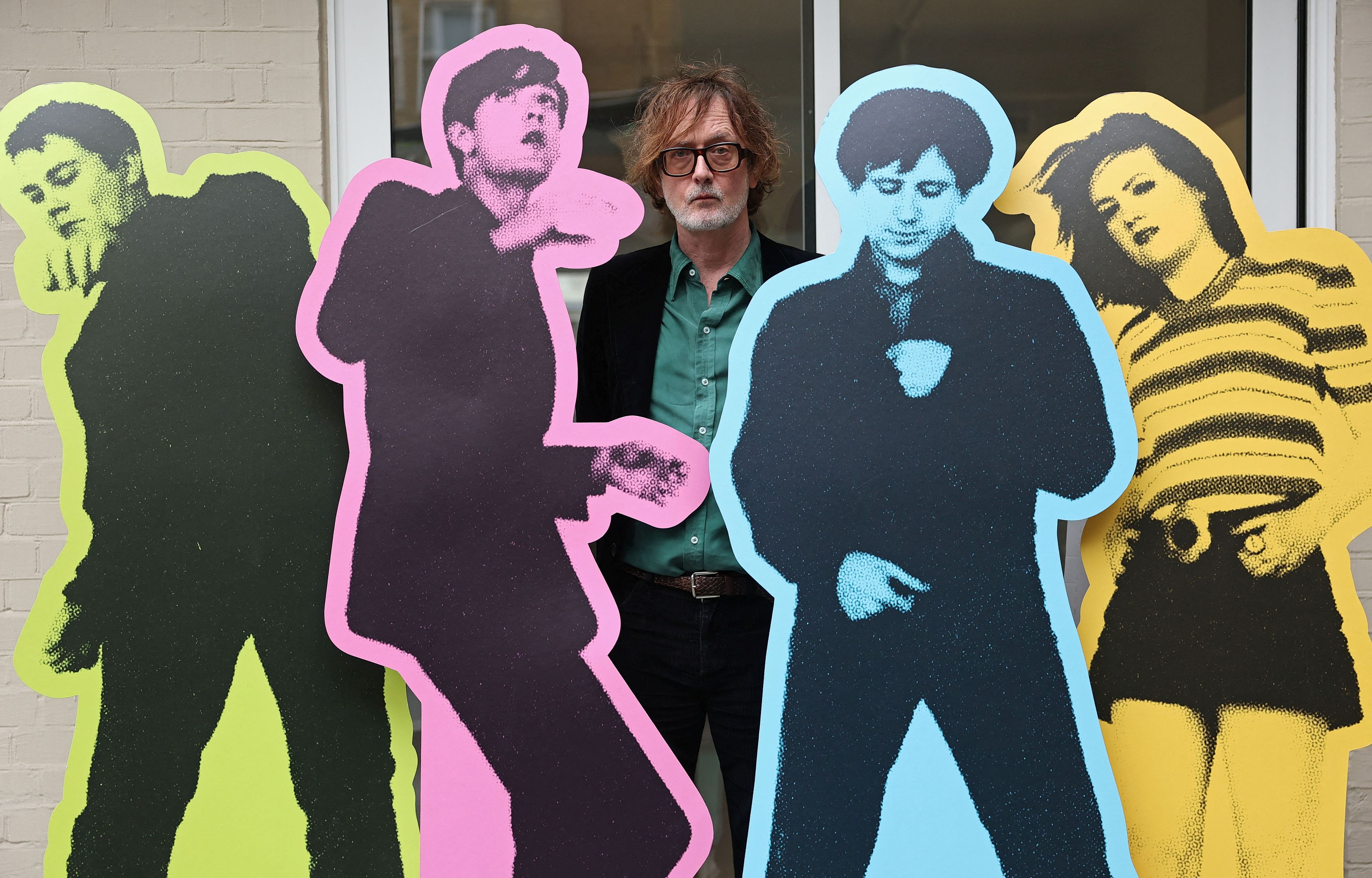
Lead singer of British band Pulp, Jarvis Cocker, poses for a portrait between promotional cardboard images of Pulp band members following a joint interview with film director Garth Jennings and Reuters in London, Britain, September 18, 2026. A concert film and documentary ‘Pulp: What Do You Do For An Encore?’, directed by Jennings and chronicling Pulp’s history combined with reunion tour footage is released this week. REUTERS/Toby Melville
Paradoxically, the concert itself proves more compelling than the documentary. The latter dwells on familiar stories for anyone acquainted with the culture of the 1990s.
The film presents Pulp as a band in its own right, rather than as “Jarvis and the Pulps” — an enduring risk given the charismatic frontman’s explosive stage presence. Similarly, the director treats each song as a distinct visual performance, drawing inspiration from Pulp’s history without simply recreating it.
It seems, however, that there is still no final encore. This is not an arbitrary conclusion but a statement from Cocker himself: “The story of Pulp is not over.”
Forty years after the beginning of their career, they have yet to lower their flag.