 Μake us preferred on Google
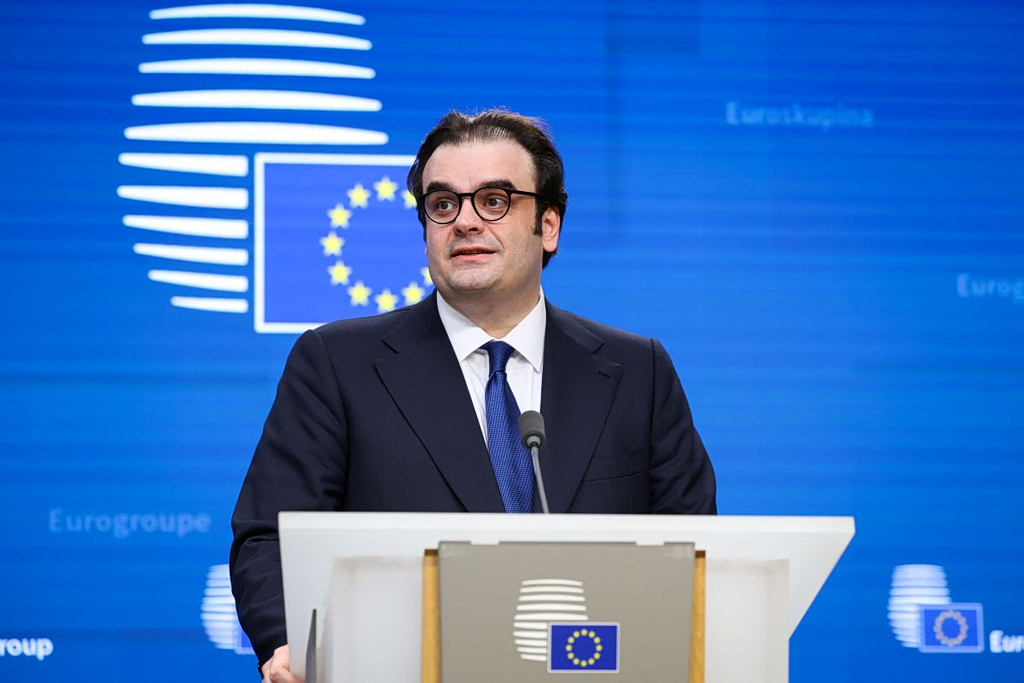
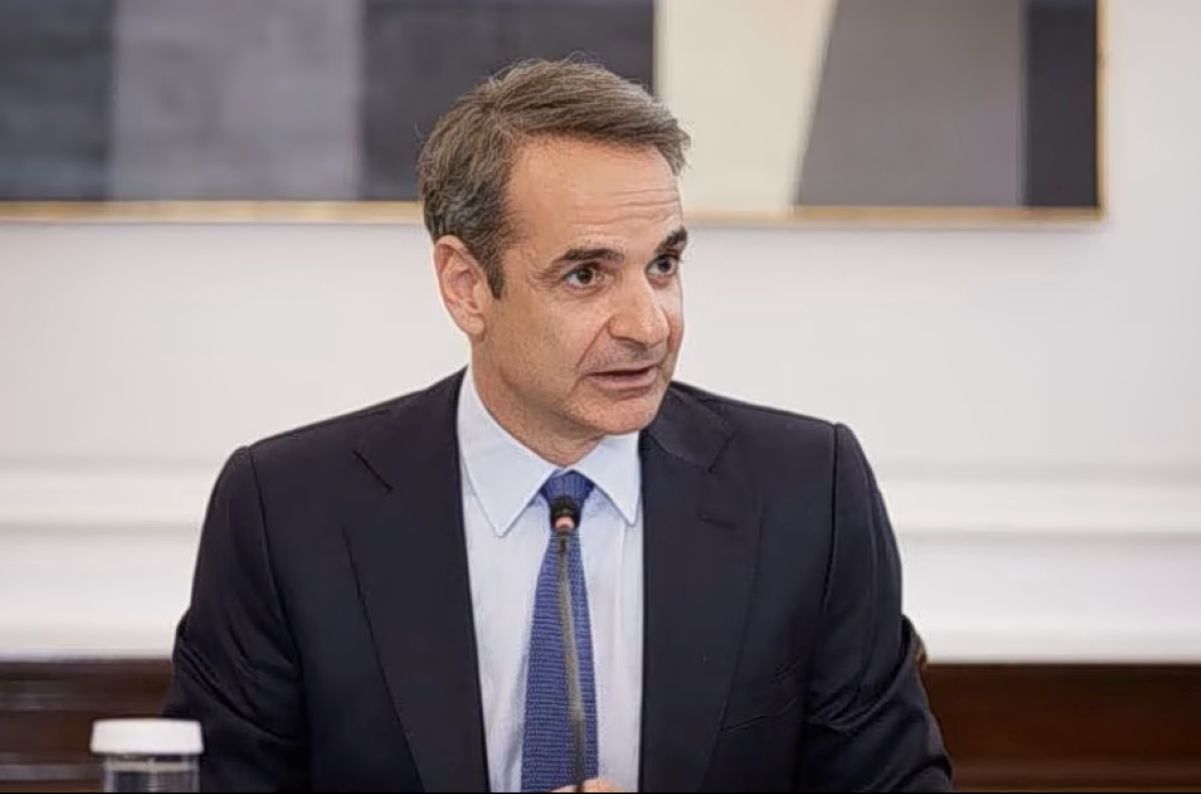
 Greek Prime Minister Kyriakos Mitsotakis described relations with Turkey as experiencing only “light waves” in the Aegean, saying such fluctuations were not unusual in his meetings with the Turkish president.
In an interview with Greek radio station SKAI 100.3 on Friday, Mitsotakis discussed Greece’s relations with the United States, regional tensions, energy projects, defense spending and the economy. He also praised the recent visit to Greece by U.S. Secretary of State Marco Rubio, saying it had reinforced the strong relationship between the two countries.
The visit took place as part of the established Greece-U.S. Strategic Dialogue. Mitsotakis noted that Rubio does not frequently travel abroad for such meetings, having visited India the previous year before making Greece his second such destination.
According to the prime minister, the visit reaffirmed bilateral ties that extend beyond defense and diplomacy to include energy, connectivity and investment. Rubio also highlighted Greece’s role as an indispensable partner in the Eastern Mediterranean.
Mitsotakis pointed to Rubio’s speech at the Pnyx, an ancient site in Athens with the Acropolis visible in the background, as an illustration of Greece’s soft power and the legacy of classical Greece as a foundation of Western civilization.
Defense spending and the strategic relationship with Israel
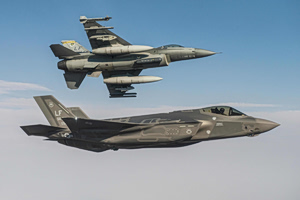
Mitsotakis said Greece’s defense policy aims to preserve a qualitative strategic advantage. He cited the acquisition of F-35 fighter jets, upgrades to F-16s, the Belharra-class frigate and the “Achilles’ Shield” air defense system as key elements of that approach.
He defended defense spending equivalent to 3.5% of gross domestic product, despite the country’s fiscal surpluses, describing it as a social contract that places security above other considerations.
The prime minister also characterized Greece as a bridge connecting Europe with the Middle East, the Gulf and India, highlighting its position in the India-Middle East-Europe Economic Corridor (IMEC), which includes electricity interconnection projects.
On Israel, Mitsotakis emphasized that Greece’s strategic relationship is with the Israeli state, rather than necessarily with whichever government is in power. He cited the “Achilles’ Shield” system as a tangible benefit, adding that Greece would own its source code.
He rejected suggestions that closer ties with Israel had damaged Greece’s relations with the Arab world or the Palestinian Authority, or prevented Athens from criticizing the Israeli government, particularly over the West Bank.
Greece-Turkey tensions and the electricity cable
Addressing tensions with Turkey, Mitsotakis described the situation in the Aegean as involving “light waves,” adding that fluctuations were not unusual in his meetings with the Turkish president.
He also discussed an electricity interconnection project that has been a source of tension. Mitsotakis said the United States supports interconnection projects but stressed that this particular project was European from the outset. It has received more than €600 million in subsidies, he said, and French company Meridian is now its majority shareholder.
Responding to criticism of the government’s handling of national issues, Mitsotakis said some critics, whether in Israel or on the political right, appeared to be hoping for setbacks. He urged them to exercise caution.
He also criticized former Prime Minister Alexis Tsipras, expressing surprise that a former head of government did not know Greece was participating in the F-35 program. Greece is scheduled to receive the aircraft in 2029 and 2030, Mitsotakis said, while Turkey remains outside the program. He challenged Tsipras to recall his own previous statement opposing the sale of F-35s to Turkey.
Energy projects and investment plans
Mitsotakis reiterated Greece’s strategic alignment with the United States, its membership in the European Union and NATO, and its relationships with the Arab world, India and Israel.
On energy, he said the Vertical Corridor is already operating and helping establish Greece as a provider of energy security for the Balkans and Eastern Europe.
He also described Chevron’s presence south of Crete as recognition of Greece’s sovereign rights. Separately, he announced that ExxonMobil would carry out its first exploratory drilling operation west of Corfu in the second quarter of 2027.
Turning to the war in Ukraine, Mitsotakis described the escalation of a conflict in which civilians continue to be killed as horrifying. He said it would be unjust for the war to end with Ukraine’s defeat, invoking the trauma of Cyprus as a reminder of the consequences of such an outcome.
Economy, tax relief and government priorities
On economic policy, Mitsotakis described a tension within Europe between reassuring financial markets and providing support to society. He expressed confidence that additional support would be secured, although he did not expect it to be substantial.
He identified the reduction of public debt as perhaps the greatest achievement of the government’s economic policy. He also highlighted tax exemptions for people up to age 25 on annual incomes of up to €20,000.
The prime minister referred to the inauguration of an investment by Hellas Gold, saying the project had overcome numerous obstacles and had faced opposition from the left-wing SYRIZA party.
Mitsotakis said he wanted to complete his government’s work and would not accept a situation in which ministers stopped working and the country entered a prolonged pre-election period. He said he had asked ministers to set specific timelines for delivering results over the next six months.