 Μake us preferred on Google
 Small cultural gems are everywhere—you only need to discover them. Because of my specialty and academic interest, the major museums of Europe’s great capitals are well known to us. For twenty years, with our postgraduate students in Museology and Cultural Management, and with esteemed colleagues, we examined in detail six or seven major museums on each of our annual study trips. Our discussions were always long, lively, and truly educational for all of us.
But on such trips, certain smaller gems inevitably remained outside our focus—too small or too complex to fit within the broader museological approaches we had to analyze. Now it is time to share them. Rome is an endless museum. Its institutions house great permanent collections and exhibitions, but what about its hidden treasures?
Michelangelo and Pope Paul III Farnese in Piazza del Campidoglio
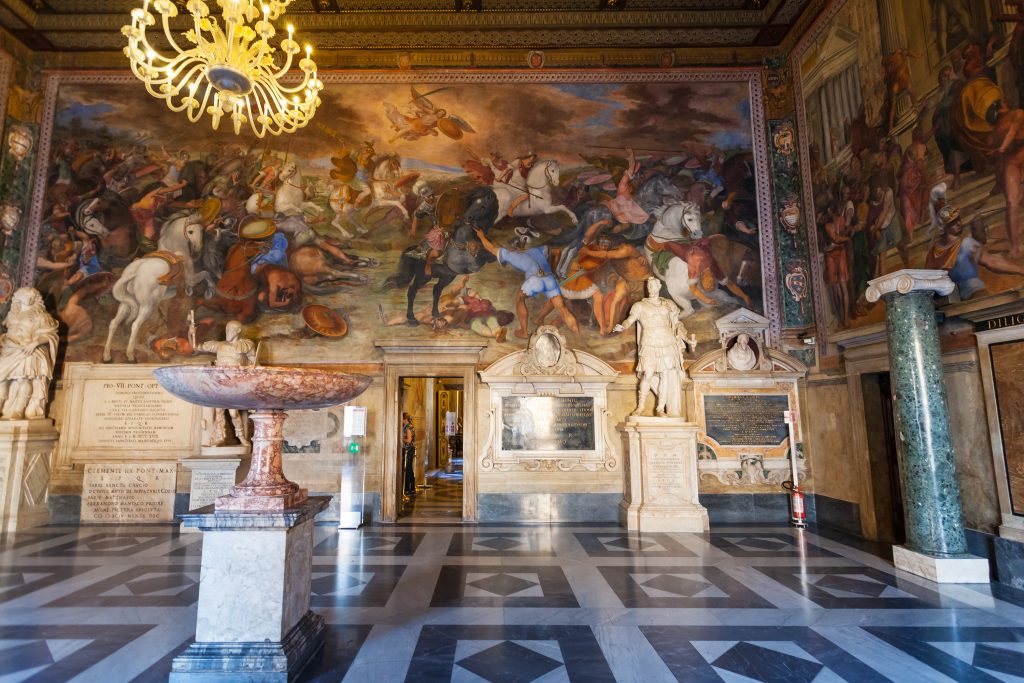
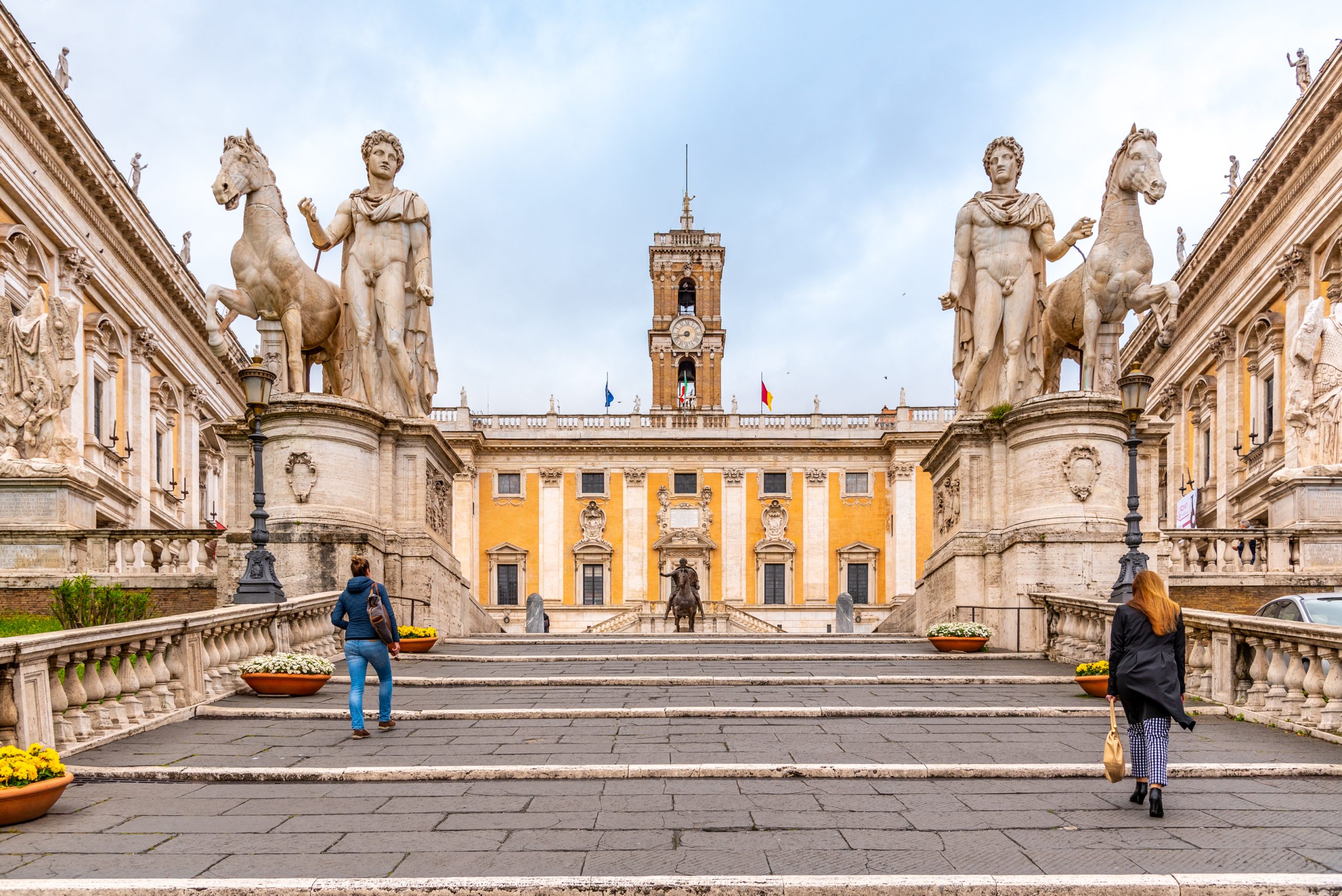
One such gem is the square itself and the buildings of the Capitoline Museums, on the most important of Rome’s seven hills. Visitors waiting in the long queues rarely realize that everything surrounding them bears the signature of Michelangelo. The redesign of the square, the new façade of the Palazzo dei Conservatori, and the creation of the Palazzo Nuovo were all commissioned by Pope Paul III Farnese in the 16th century. A great collector, he donated his collection to form the city’s first museum. This decision symbolized papal Rome as a center of political and cultural power, affirmed the prestige of the Farnese family, and above all underscored the enduring greatness of Rome, from antiquity through the Renaissance, as the caput mundi.
The Capitoline Hill
A parallel gem is the hill itself. On Michelangelo’s Piazza del Campidoglio stands the replica of the famous bronze equestrian statue of Emperor Marcus Aurelius, with the original preserved inside the museums. In antiquity this hill was Rome’s acropolis, a sign of political authority, crowned by the great Temple of Jupiter Optimus Maximus of the 6th century BC, which made it the spiritual center of the city as well.
Constantine at Villa Caffarelli
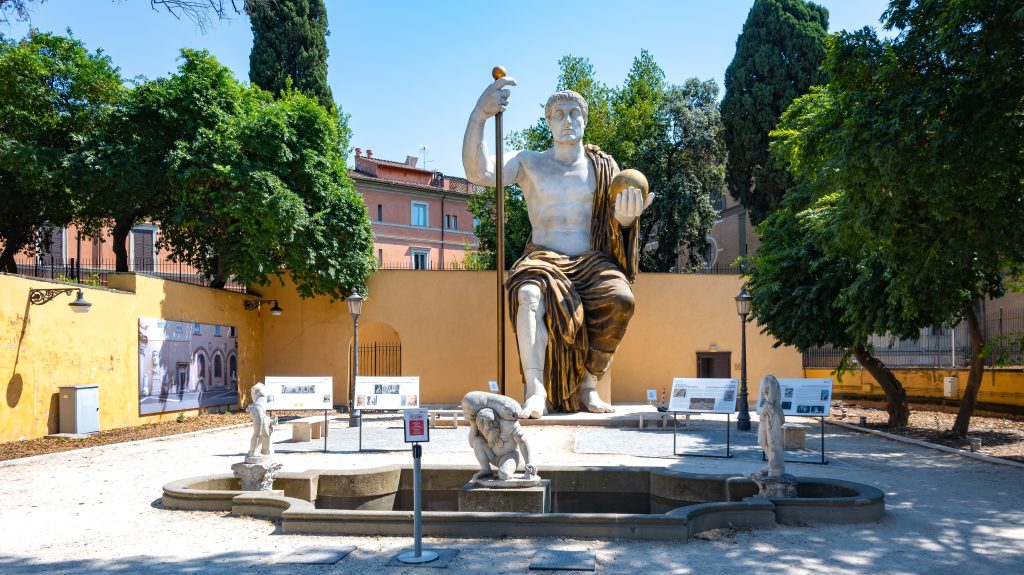
A third treasure lies on the right side of the Palazzo dei Conservatori, in the gardens of Villa Caffarelli. Here stands the recent (2022) three-dimensional reconstruction of the colossal statue of Constantine the Great from the 4th century AD. Originally carved in Parian marble and rediscovered in the 15th century, its fragments are preserved inside the museums. The reconstruction, overseen by the renowned Italian art historian Salvatore Settis, reaches 13 meters high. Standing before it, the visitor can grasp the extraordinary scale with which the emperor had to symbolize his political and religious authority, rivaling that of Jupiter himself.
Death in the Underground of the Ancient Archives
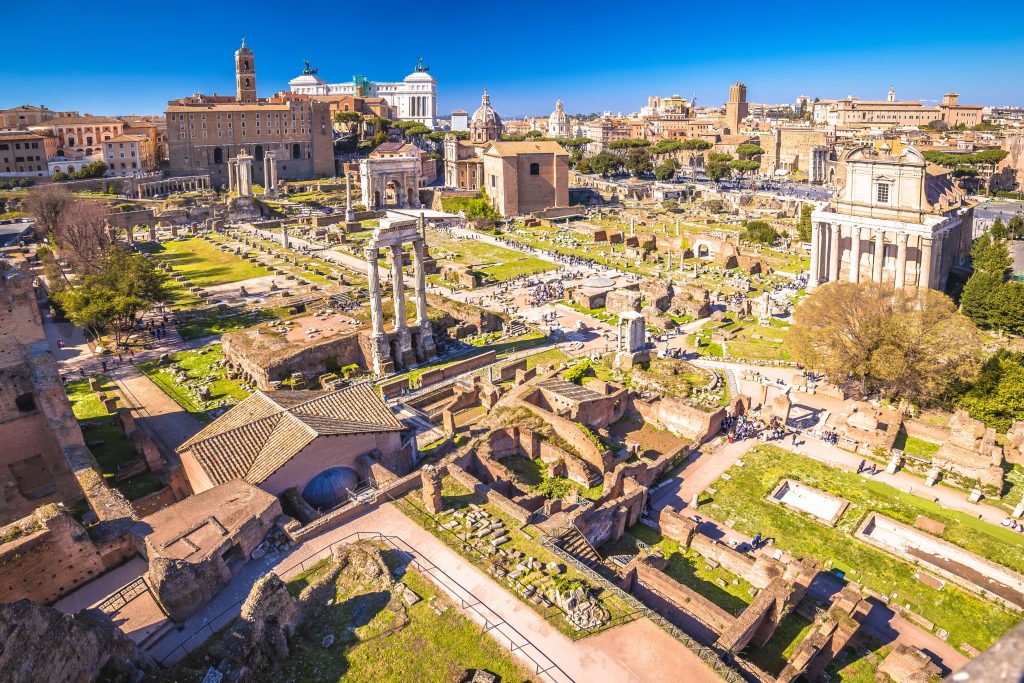
A fourth gem can be found without leaving Capitoline Hill, in the monumental foundations of the ancient State Archives (Tabularium). From these ancient passages one can gaze across the Forum Romanum, but the real treasure lies in the underground corridor connecting the Palazzo dei Conservatori and the Palazzo Nuovo. Here funerary steles and inscriptions reveal the everyday lives of ordinary Romans—languages spoken beyond Latin, professions practiced, burial customs, and family life. The gradual descent, dim lighting, and arrangement of tombstones on either side create the sense of a “road of tears,” echoing the Roman practice of lining city roads with graves. This atmospheric setting transforms a modest gallery into one of the most powerful experiences in the museums.
Rome is renowned for its monumental landmarks, yet these hidden cultural gems give us a different lens—connecting the grandeur of emperors and popes with the everyday lives and memories of the people who shaped the Eternal City.
Matoula Skaltsa is an art historian, museologist, and professor emerita at Aristotle University of Thessaloniki.