If you’ve ever attended a short film festival, you’ll know the particular thrill of watching a filmmaker condense an entire story into just a few minutes. The format demands discipline, imagination, and often a touch of genius — the ability to capture a world, an emotion, or an idea within strict limits of time and form. And if you haven’t yet treated yourself to this unique cinematic experience, the Drama International Short Film Festival (DISFF) is the perfect place to start.
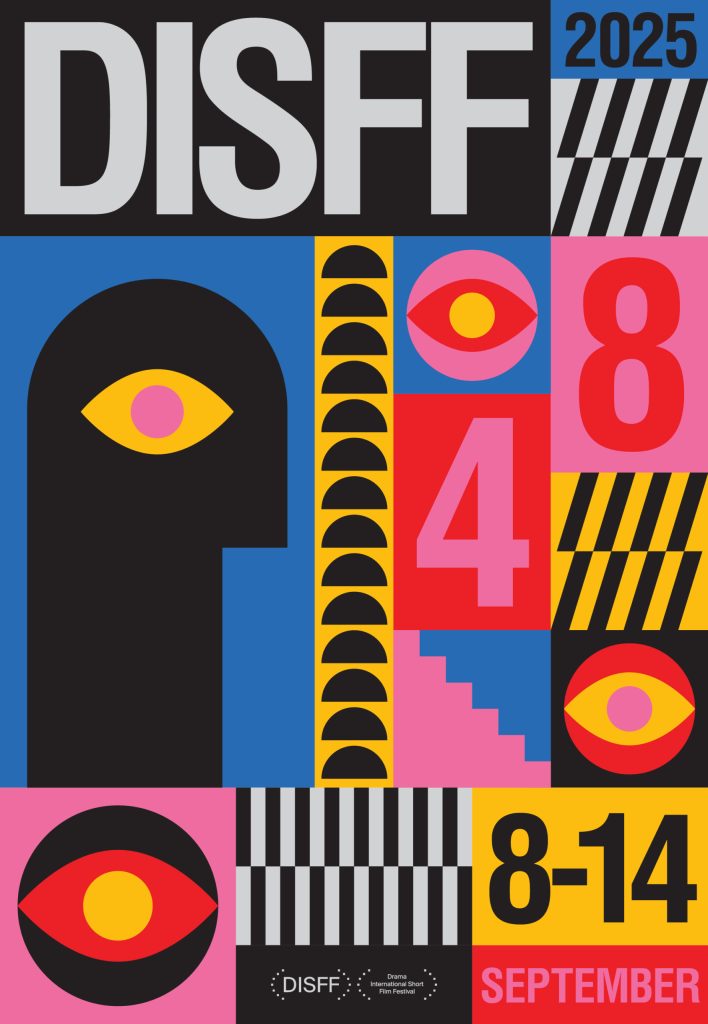
Now in its 48th edition, the festival returns from September 8–14, 2025, presenting 223 films from 49 countries in the northern Greek city of Drama. Founded in 1978 to showcase exclusively Greek filmmakers, DISFF opened to international entries in 1995 and has since grown into one of Europe’s most significant short film festivals, fostering artistic exchange, promoting the art of cinema, and nurturing emerging Greek and international talent.
Seven Competitions, Two Oscar Tickets
This year’s festival includes seven competitive sections: National Competition, National Student, International Competition, International Student, Animation, Short & Green, and Kiddo.
For filmmakers, the stakes are high: the top winners of both the National and International Competitions automatically qualify for the Academy Awards consideration.
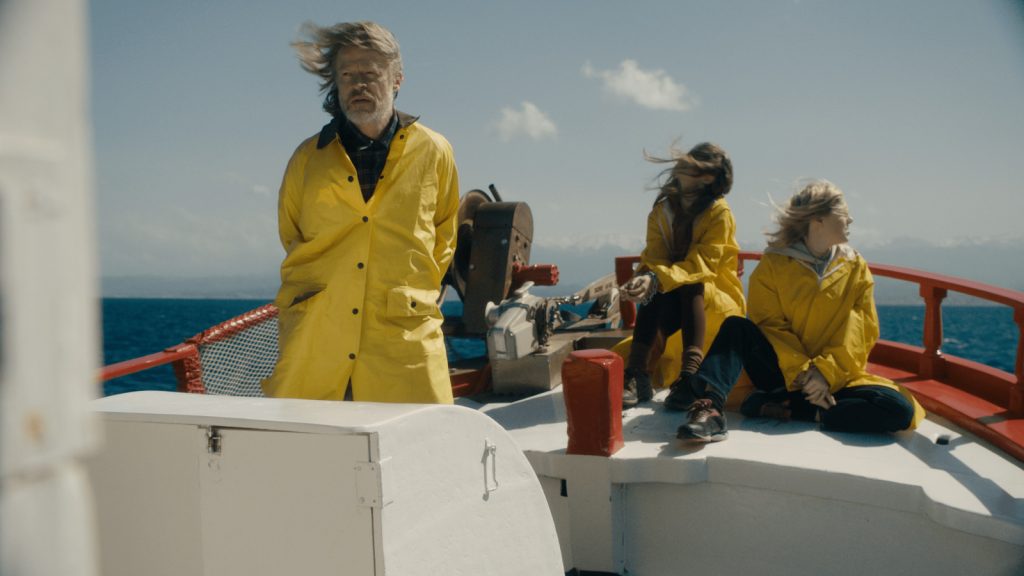
“Pirateland” by Stavros Petropoulos, 28′.
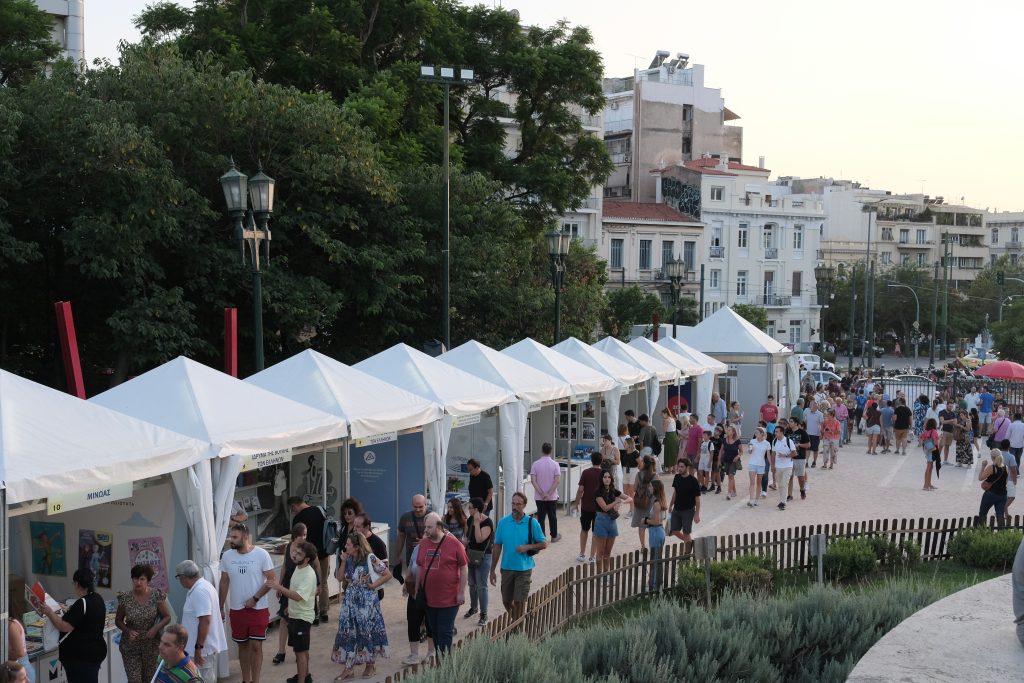
Screenings will take place across the city in venues including the historic Olympia Cinema, the open-air Alexandros Cinema, the Drama Municipal Conservatory, the cultural garden space Kykloi, the “Eleftheria” cultural center, and the Drama Boys’ High School.
And if you can’t make it to Drama? The festival makes all its films available online, free of charge, through its official digital platform. Starting from September 8 at 9pm, audiences everywhere can watch, vote, and take part in awarding the coveted Audience Prize.
View the complete festival program here.
The Beating Heart: The National Competition
“The heart of Drama is, without question, the National Competition,” says Giorgos Angelopoulos, Head Programmer of this year’s section.
“This is where we first encountered many of today’s most beloved Greek filmmakers. It’s also the section that offers a snapshot of what mattered to us — as a society, as individuals — at the precise moment these films were made. What scared us, intrigued us, made us curious, or even what we weren’t ready to understand yet.”
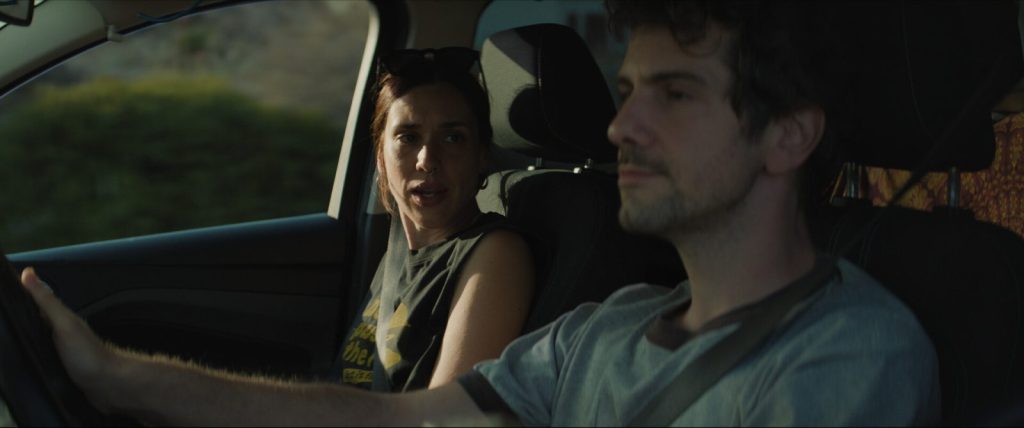
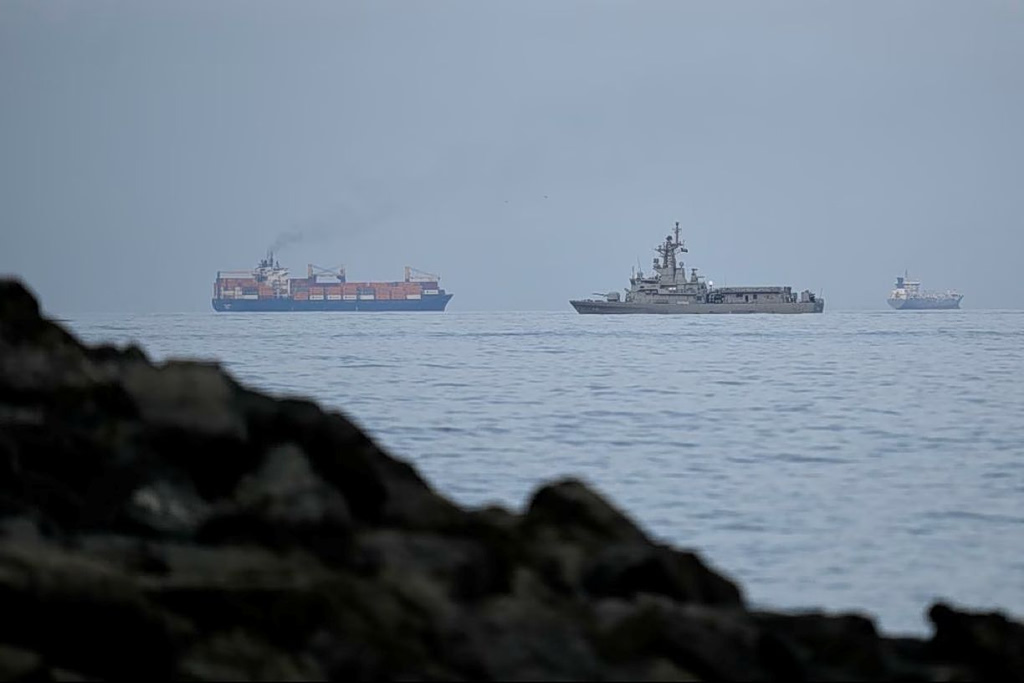
“Carcass” by Makis Sempos.
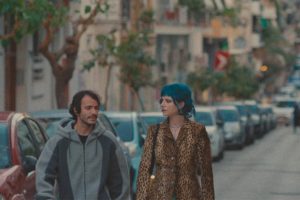
This year’s 35 Greek films span a wide spectrum of styles and concerns. Some explore escapism and imagined worlds, while others tackle urgent realities of contemporary Greece: corruption, intolerance, capitalism, the far right, the debt crisis, homophobia, migration, identity, drugs, and sex work.
Emerging voices are carving space for youth cinema and queer narratives, genres still rare in Greece, while other filmmakers delve into memory, loss, and preservation.
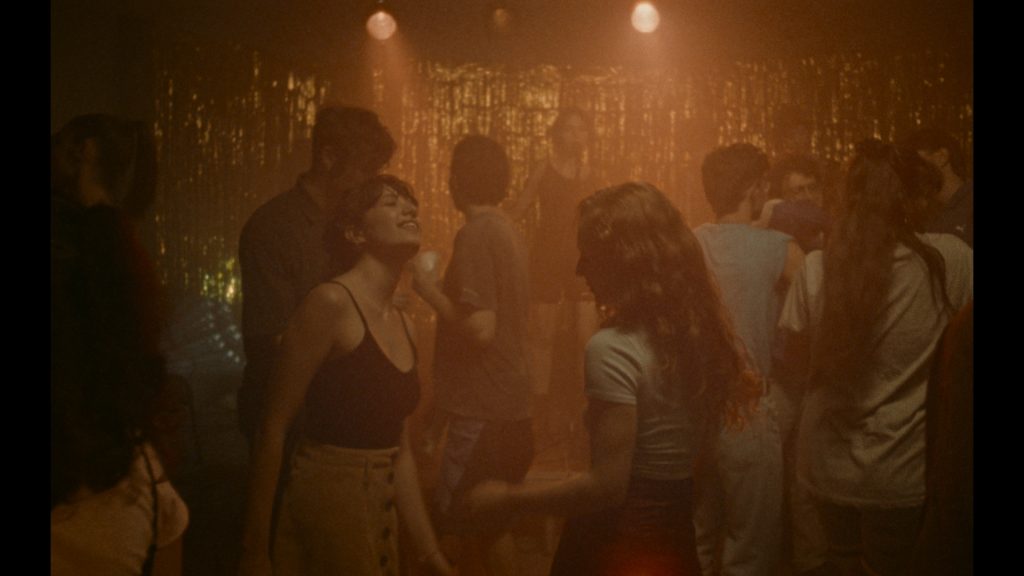
“400 Cassettes”, Thelyia Petraki, Greece, Germany, 14΄.
International Horizons and Special Focus
The International Competition brings together short films from every corner of the world, highlighting new cinematic languages and emerging global voices. Student categories continue to showcase the next generation, while Animation, Short & Green, and Kiddo highlight innovation, environmental storytelling, and children’s perspectives.
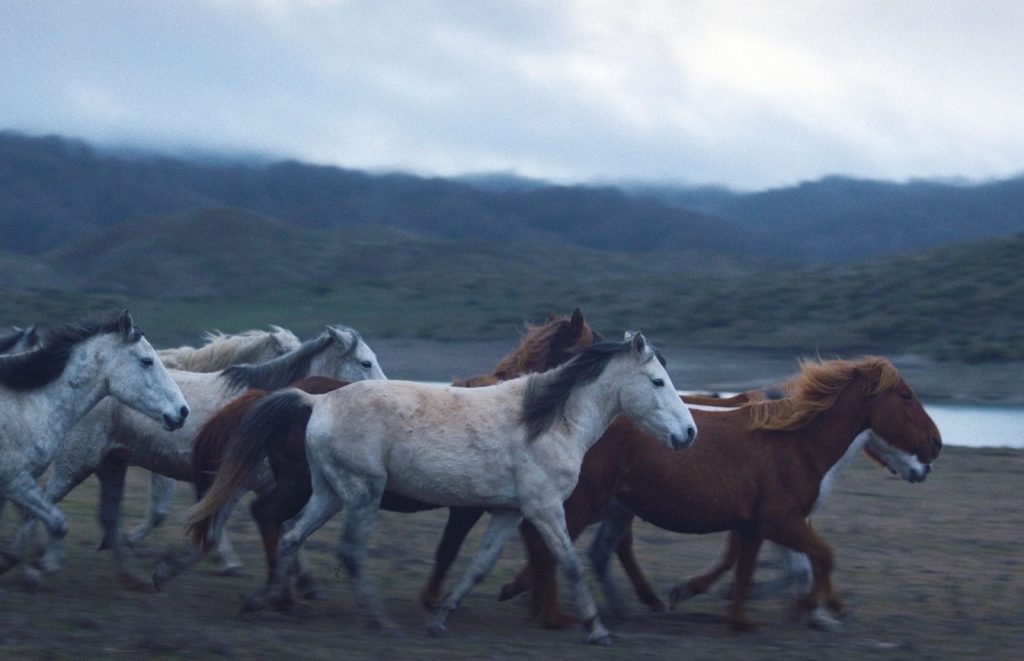
“Noi” , 15′ by Neritan Zinxhiria.
This year’s Special Focus honors the short works of Angelos Frantzis and Helena Wittmann. Frantzis’s six shorts, made between 1992 and 2014, and Wittmann’s eight films, spanning 2004 to 2025, will be screened in their entirety for the first time in Greece. Some of these works are extremely hard to find — Wittmann’s especially — while others have been carefully digitized by the festival to ensure preservation, part of a larger initiative championed by new Artistic Director Giorgos Angelopoulos.
The Short Film Hub
Returning for its third year, the Short Film Hub reinforces its role as a meeting point and incubator for collaboration. With workshops, panels, literary halls, and networking sessions, the Hub offers young filmmakers practical tools to bridge the gap between artistic intent and professional realization. It’s a space where creativity meets craft, and where tomorrow’s directors forge connections that may shape their careers.
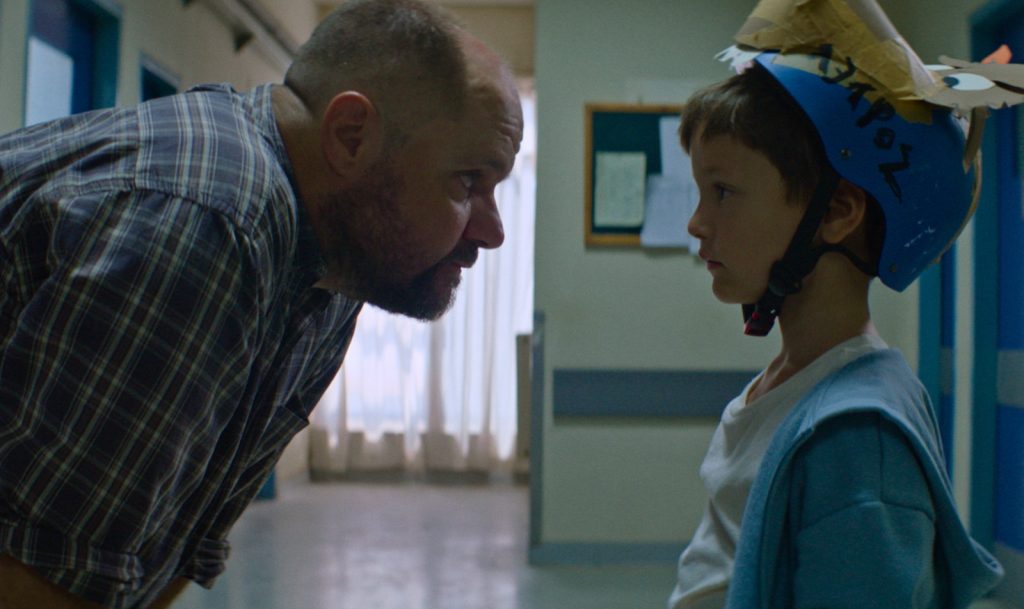
“Fall Christmas” by Kostas Bakouris.
30 Years of Going International
This edition also marks 30 years since the festival opened its doors to international entries in 1995. To celebrate, DISFF presents a retrospective of 15 Grand Prix-winning films from past International Competitions. Among them is Next Floor (2008) by Denis Villeneuve — now the acclaimed director of Dune and James Bond. Back then, he was just another short filmmaker, and Drama was the festival that recognized his talent early.
It’s a reminder that behind every short film is a world in the making — and that Drama has long been the stage where the filmmakers of tomorrow first introduce themselves to the world.
See the complete list of films featured in this section here.