The largely unseen work behind one of Greece’s most ambitious heritage conservation projects is being brought into focus at the National Gallery–Alexandros Soutsos Museum in Athens. The exhibition “The Work Behind the Work”, on view from January 19 to 26, documents the complex process of preserving the vast movable collection of the former royal estate of Tatoi.
The project, formally presented at the National Gallery auditorium in the presence of Culture Minister Lina Mendoni, is titled “Conserving the Tatoi Collection: Solving the Riddles” and ranks among the most extensive and demanding conservation efforts ever undertaken in Greece. Tens of thousands of artefacts—ranging from furniture, artworks and clothing to documents, photographs, books, carriages and automobiles—are being rescued, restored and documented as part of the wider restoration of the historic estate.

The one-day conference, organised by the Ministry of Culture’s Directorate for the Conservation of Ancient and Modern Monuments, highlighted what officials described as a crucial but often invisible pillar of the Tatoi restoration project: the safeguarding of movable heritage that constitutes invaluable evidence of modern Greek and European history.
Addressing the event, Minister Mendoni said: “Today’s meeting is an excellent opportunity to shed light on a pivotal, yet largely unseen, chapter of the major undertaking to restore and highlight the former royal estate of Tatoi: the conservation of its extensive collection of movable objects and archival material. The title of the conference was not chosen at random, as it reflects the scientific reality of conservation. Each object was a distinct ‘riddle’ requiring identification of materials, assessment of deterioration and the selection of appropriate methodologies.”
She underlined the broader historical significance of the site, noting: “The Tatoi estate constitutes one of the most important historical sites of modern Hellenism, encapsulating—within its natural beauty—the memory of the modern political and social history of our country.”
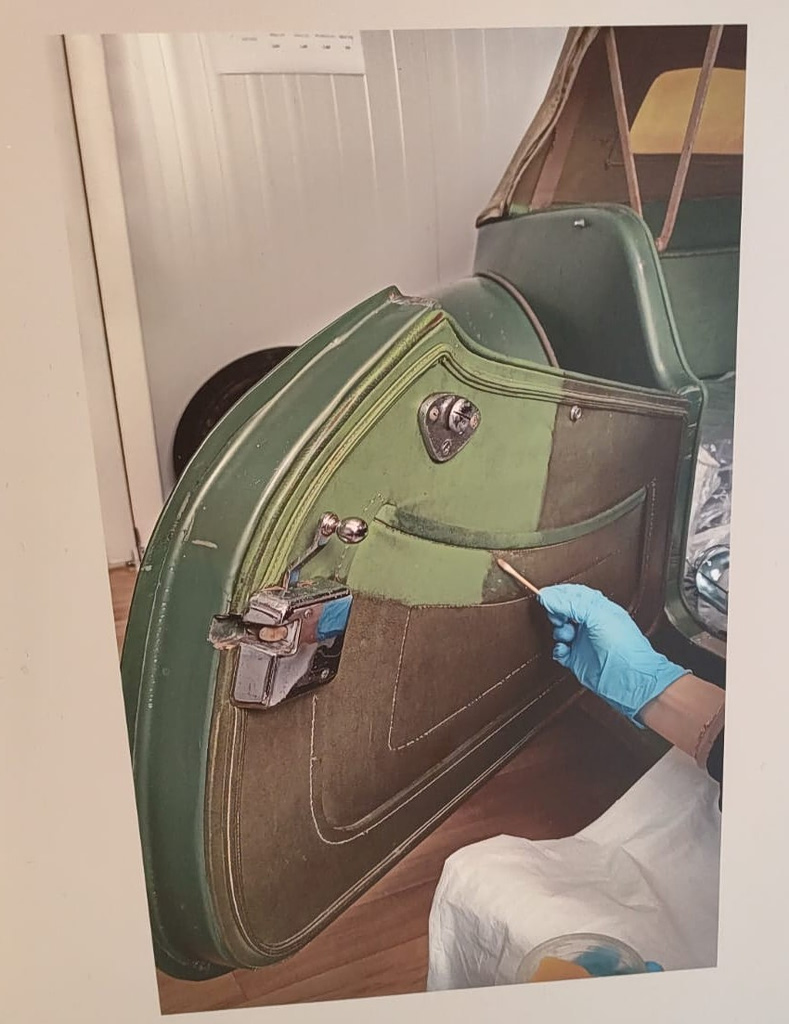
Conservation work on the royal automobiles.
She added that the lives and actions of the royal dynasty’s members, as well as key political events, ideological developments and social transformations of the 19th and 20th centuries, are indelibly imprinted on the estate. Yet, she acknowledged, this significance “was not matched for decades by appropriate care and attention.”
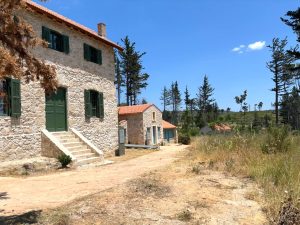
Referring to the period following the abolition of the monarchy in 1974 until the 2003 ruling of the European Court of Human Rights, Mendoni said: “The estate, its buildings and its movable objects remained abandoned and neglected, at the mercy of weather conditions and human ideological obsession and vanity, with tens of thousands of objects of high historical and artistic value stacked in unsuitable conditions.”
She explained that conserving the collection—comprising more than 100,000 items—is an exceptionally demanding task, both in scale and in scope: “These objects narrate not only official history, but also everyday life, aesthetics and practices that bridge two centuries.”
The minister stressed that conservation is inseparable from digitisation and documentation, allowing each object “to acquire its own place and ‘voice’ within a broader narrative that connects the past with the present, offering tools for research, education and future cultural planning.”
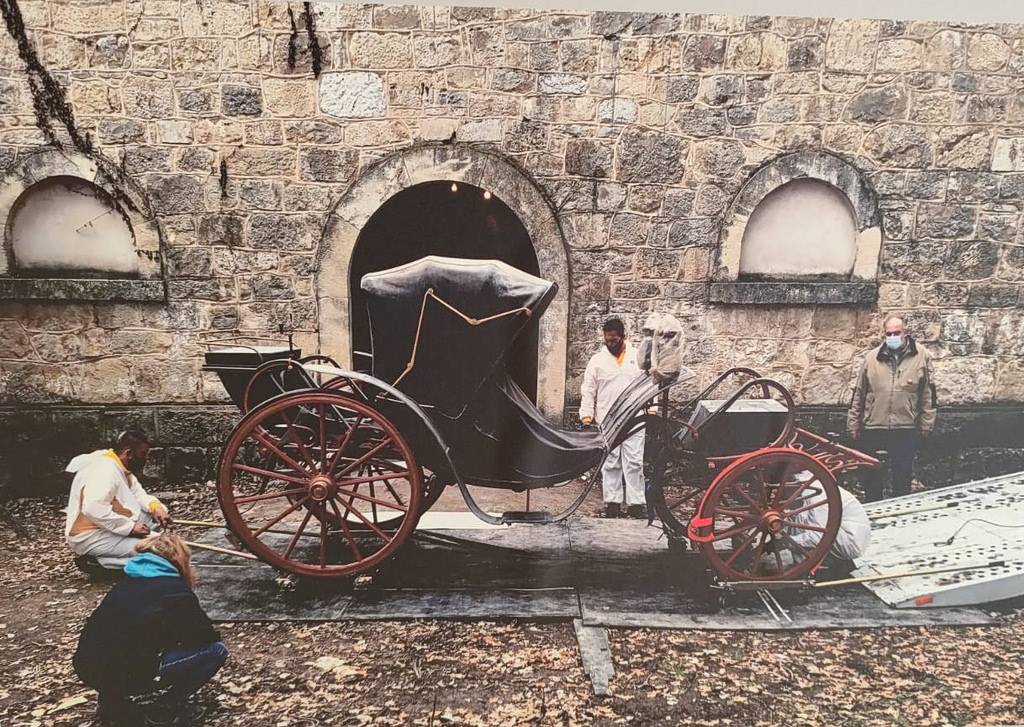
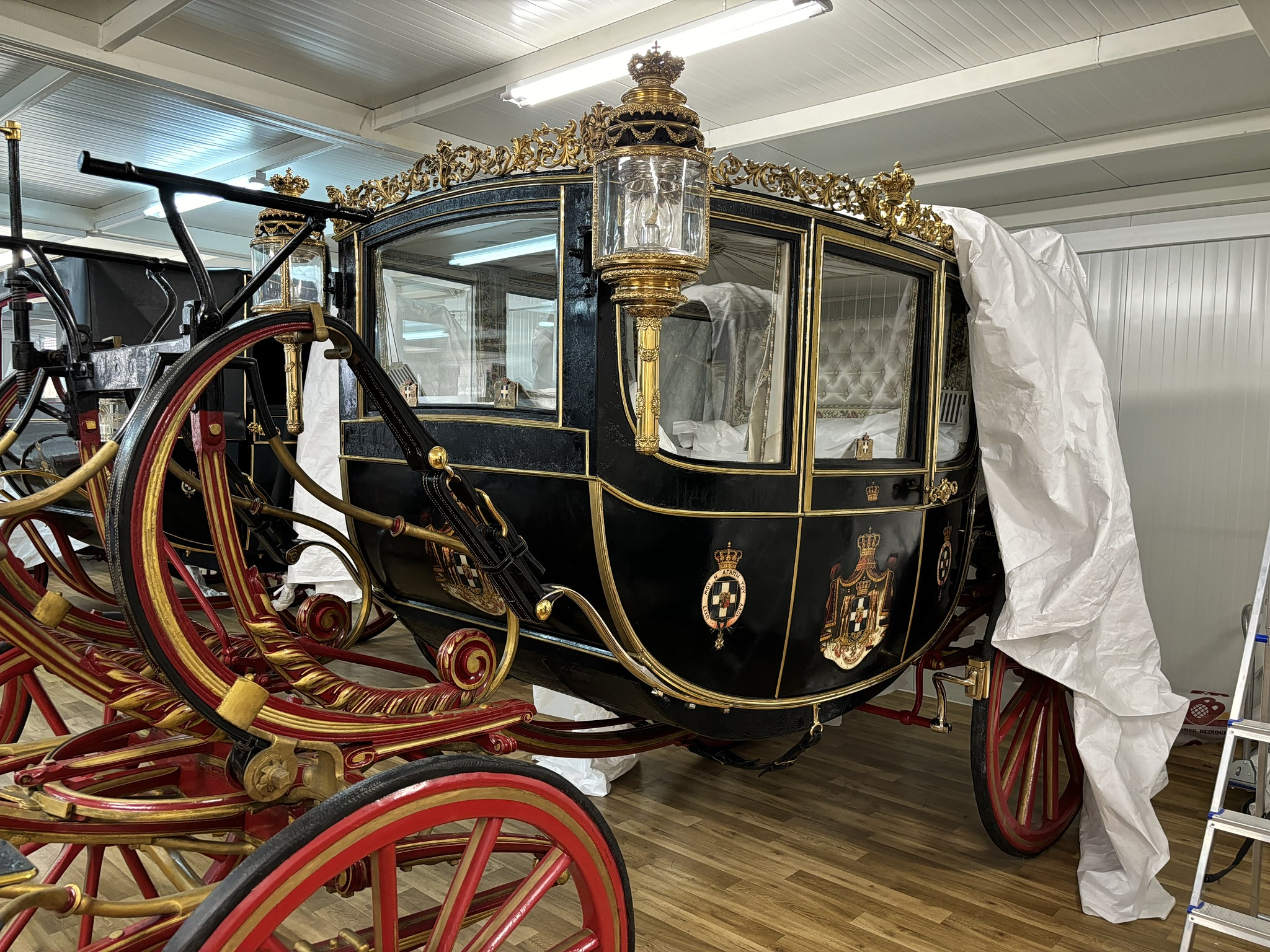
Transport of the royal carriage for conservation.
This effort is reflected in the digital portal created by the Ministry of Culture (tatoicollections.culture.gov.gr), which now hosts the country’s largest online collection dedicated to fine and applied arts, history and material culture of modern Greece.
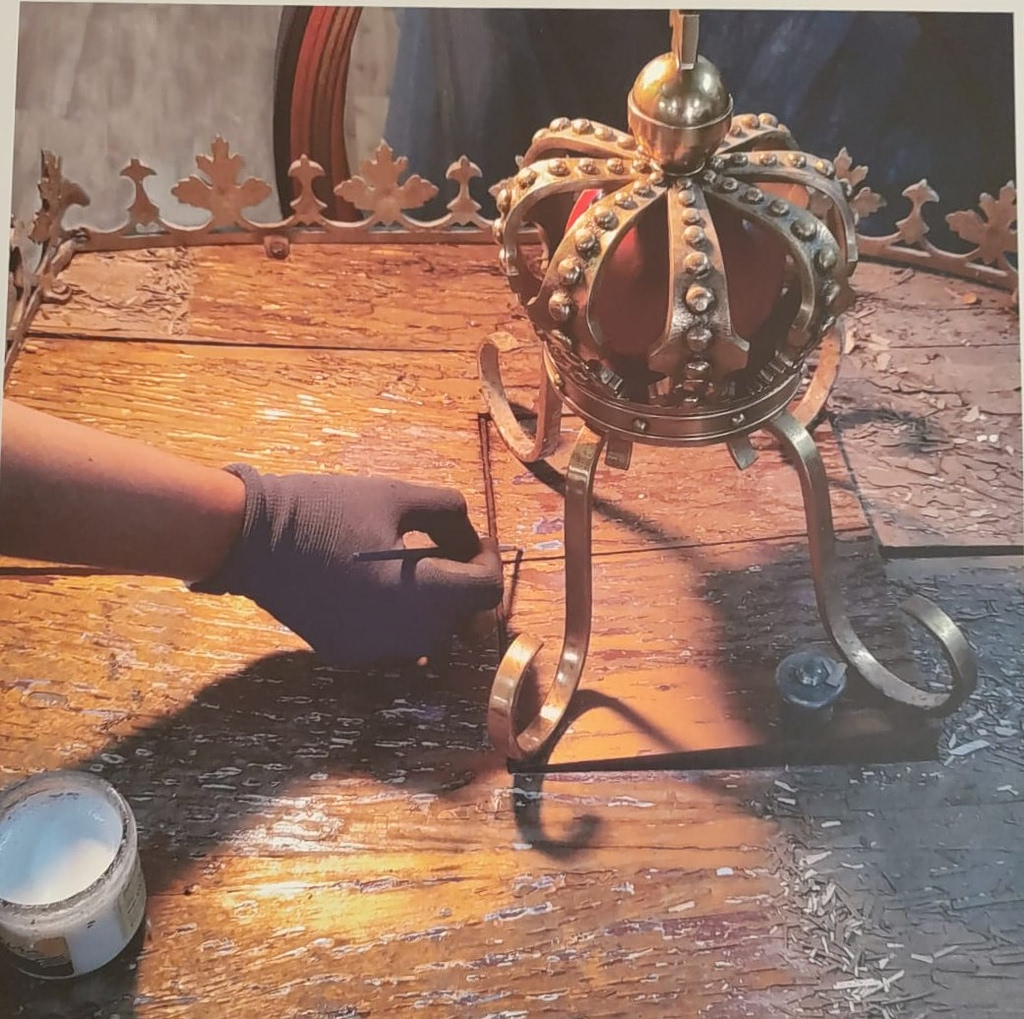
Royal emblem.
Funded through the EU Recovery and Resilience Facility, the National Strategic Reference Framework (ESPA), the National Development Programme and private donations, the project’s first major phase is scheduled for completion in 2026.
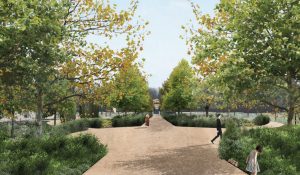
The ultimate goal, she said, is to transform Tatoi into “an open and accessible peri-urban green space of multiple activities, a site of historical memory, culture, education, environmental awareness and recreation,” while ensuring respect for the estate’s natural landscape and long-term sustainability.
A Glimpse Behind the Scenes
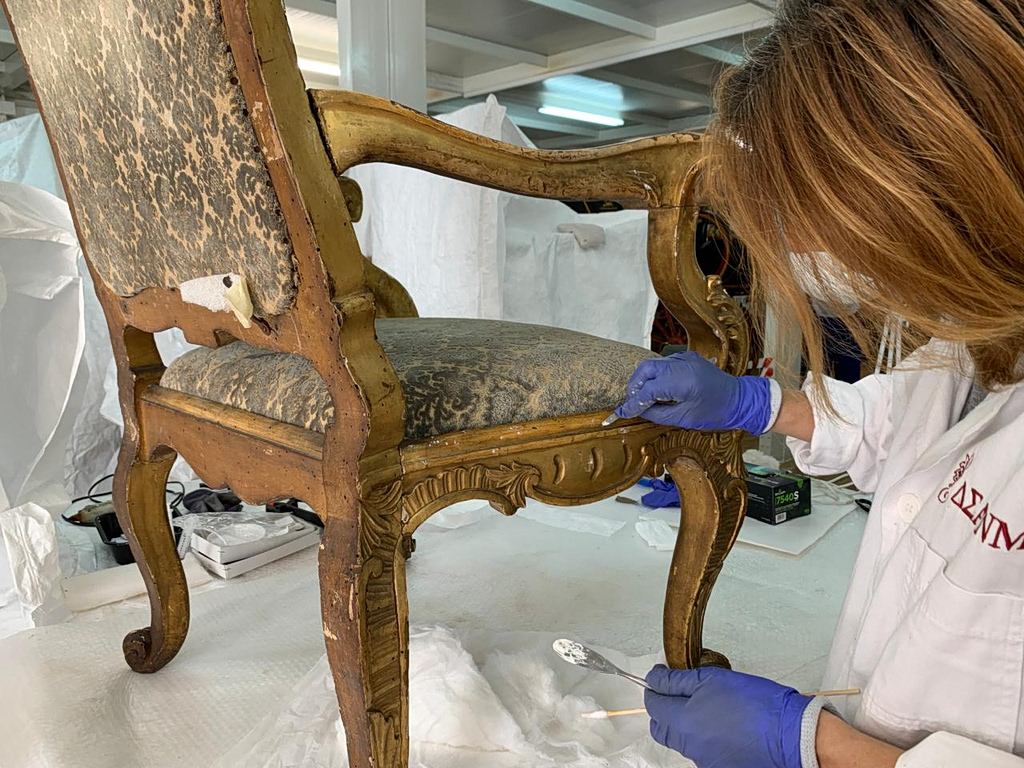
The photography exhibition “The Work Behind the Work”, hosted on the mezzanine level of the National Gallery, offers visitors rare glimpses into the daily working life of conservators at Tatoi, documenting the meticulous processes behind the preservation of the collection.
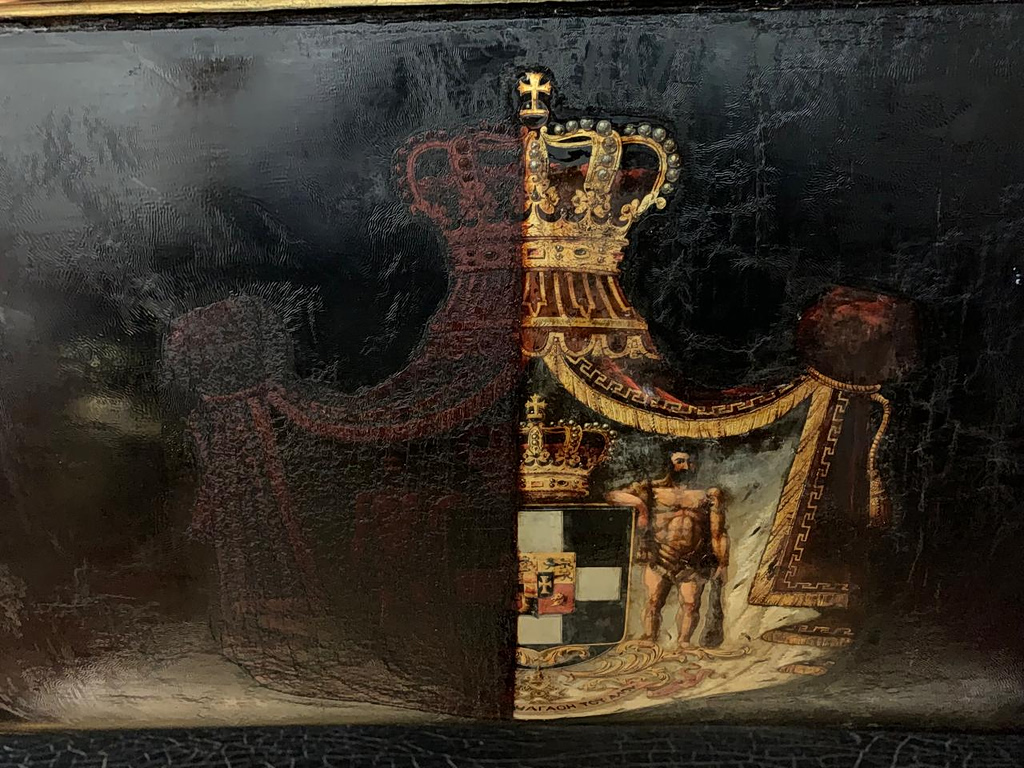
Coat of arms from a royal carriage before and after conservation work.
The Tatoi Estate
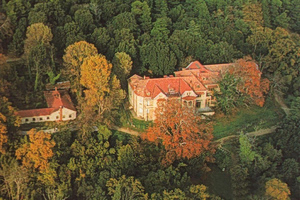
Located 15 kilometres north of central Athens, at the foothills of Mount Parnitha, Tatoi served as the summer residence of Greece’s royal family. Kings Alexander I and George II were born there. The estate was purchased in 1872 by King George I from the Soutsos family, following the advice of architect Ernst Ziller, although the monarch envisioned a retreat rather than a grand palace complex.
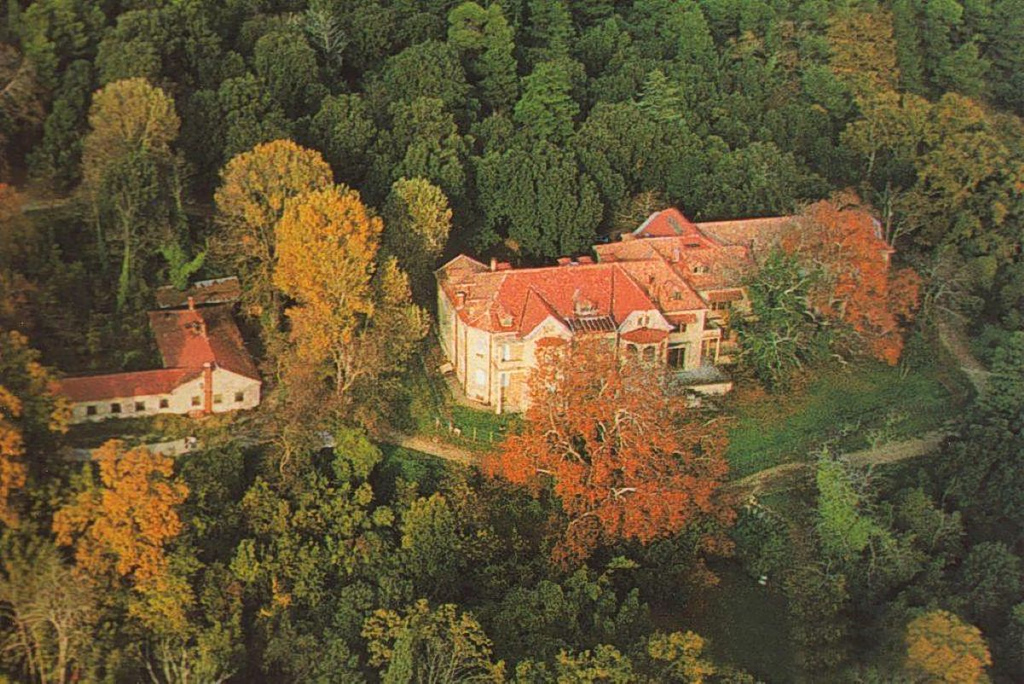
The estate sustained significant damage during the wildfires that swept Mount Parnitha in 2021. Recognised for its ecological value under the EU’s Natura 2000 network, Tatoi was also listed by Europa Nostra in 2013 among Europe’s most endangered heritage sites.
By autumn 2026, the restored core of the estate—including museum facilities, gardens, auxiliary buildings, churches and the royal cemetery—is expected to be opened to the public, marking a major milestone in the long-awaited revival of one of Greece’s most symbolically charged historic landscapes.