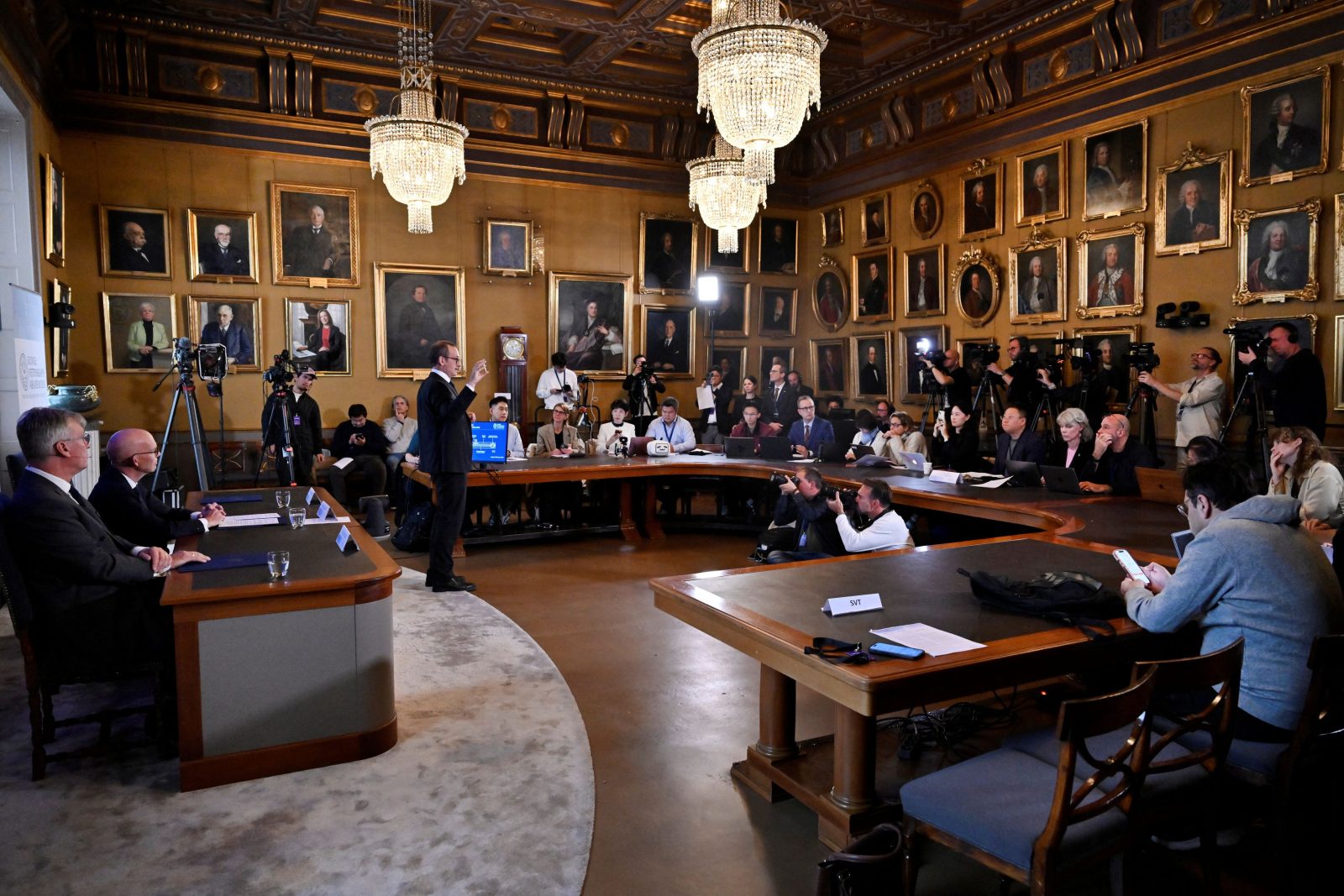
We’re again in the midst of Nobel fever, as one by one the world’s top cultural and scientific honors are announced. These moments always bring to mind the few times Greek names have echoed from the halls of the Swedish Academy—moments etched into our collective memory.
From the telegraph in 1963 that announced Giorgos Seferis as the first Greek Nobel Laureate, to Sir Demis Hassabis joining the ranks in chemistry last year, here are the four laureates of Greek descent—and how their stories unfolded.
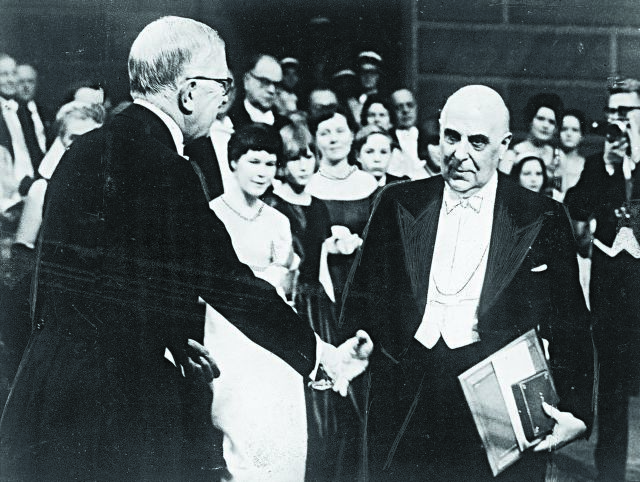
Seferis: Greece’s First Nobel in Literature
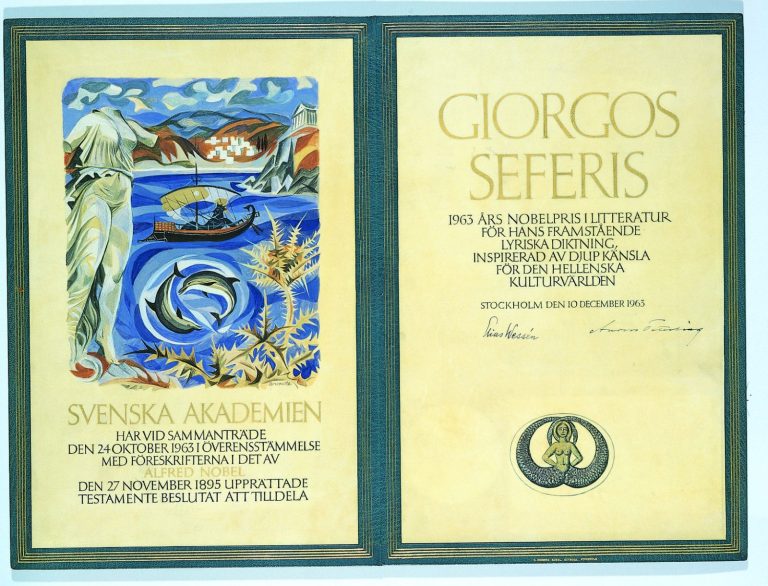
At midday on October 24, 1963, a telegram arrived in Athens that would become a historic milestone: the Swedish Academy had awarded the Nobel Prize in Literature to Giorgos Seferis, the poet-diplomat, “for his lyrical style, inspired by a deep sense of the Hellenic ideal.”
Secluded at home with a bleeding ulcer, Seferis remarked to reporters that by choosing a Greek poet, the Academy signaled its solidarity with a living intellectual Greece.
But in Greece, the reception was muted. The country was days away from the November 3 elections—a highly charged contest between the National Radical Union (ERE) and the Centre Union—and attention was fixed on politics. Some in the Left suggested Pablo Neruda would have been a preferable candidate. Right-wing newspapers criticized Seferis’s diplomatic role and his permission for composer Mikis Theodorakis to set some of his poems to music. Seferis reportedly asked his wife: “What have I done to make them hate me so much?”
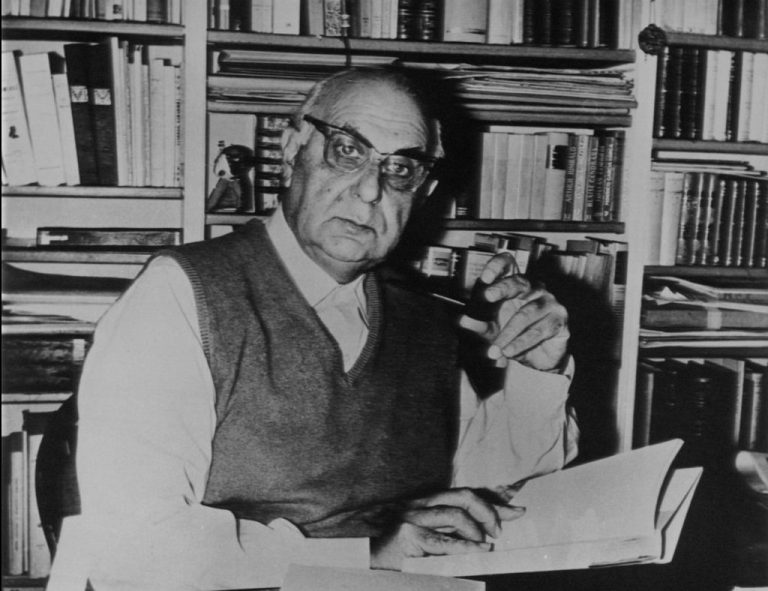
Despite the controversy, the Nobel ceremony proceeded on December 10 in Stockholm, with the King of Sweden presenting the medal. In his acceptance speech, Seferis spoke of the continuity of Greek language through the centuries, of poetry’s role in a troubled world, and of trust. He described Greece as “a stony cape in the Mediterranean, with no other wealth but its people’s struggle, the sea, and sunlight.” Invoking the myth of Oedipus, he closed: “We have many monsters to destroy. Let us think of Oedipus’s answer.”
Elytis: The Second Greek Voice Honored
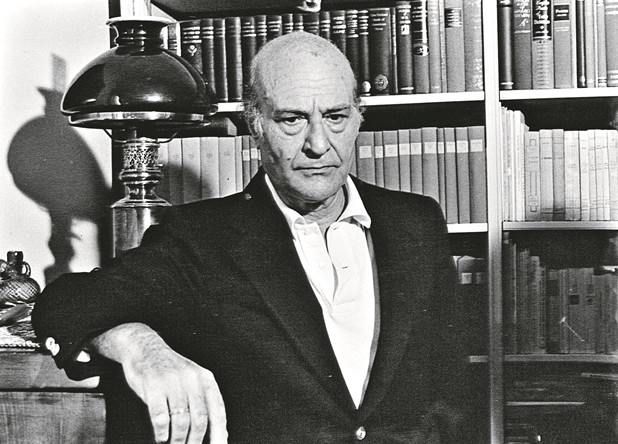
Sixteen years later, in 1979, Greece greeted the news that Odysseas Elytis had won the Nobel Prize in Literature. By then, after the fall of the Greek junta and the restoration of democracy (Metapolitefsi), the mood was entirely different: the nation embraced the award with pride.
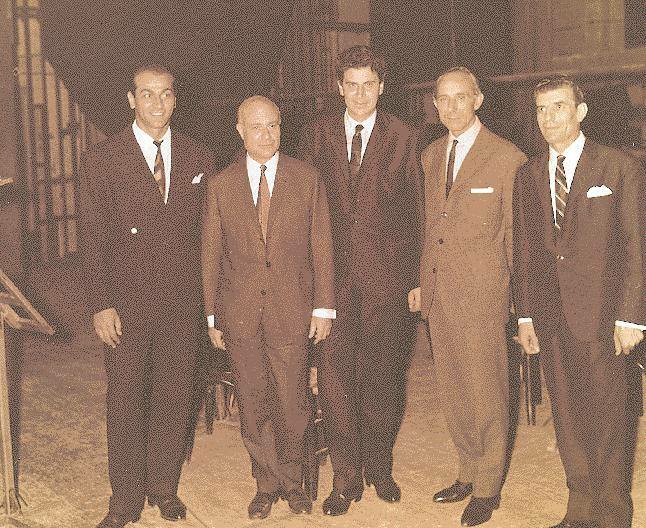
The Academy lauded Elytis for drawing deeply from Greek tradition and for expressing the modern struggle of humanity with “sensual power and spiritual clarity.” His imagery of sea, light, and islands became central to his poetic vision, while his epic work Axion Esti was hailed among the great poetic works of the 20th century.
On October 19, the day after the announcement, Elytis held a dramatic press conference at the Grand Bretagne Hotel, speaking of poetic labor, his influences, and the role of poetry in an ever-changing world. He expressed deep gratitude to the Swedish Academy and to the ordinary people who, he said, “allowed a tradition of two and a half millennia to transcend language barriers.”
At the Nobel ceremony on December 10, Elytis declared that art must continue “where reason lays down arms,” and that poetry remains the realm where permanent elements of human experience reside.
Christopher Pissarides: Cyprus, Greece, and Labor Economics
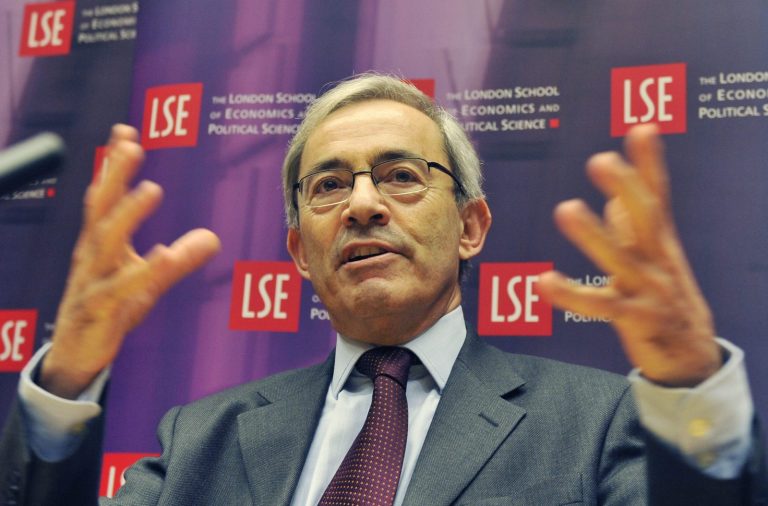
In 2010, the Nobel Prize in Economics was awarded to Sir Christopher Pissarides, a Cypriot economist with Greek roots, for his groundbreaking work on labor markets. The call came early on October 11, awakening him in London to a barrage of congratulatory calls. “It was an ordinary Monday until that moment,” he later said.
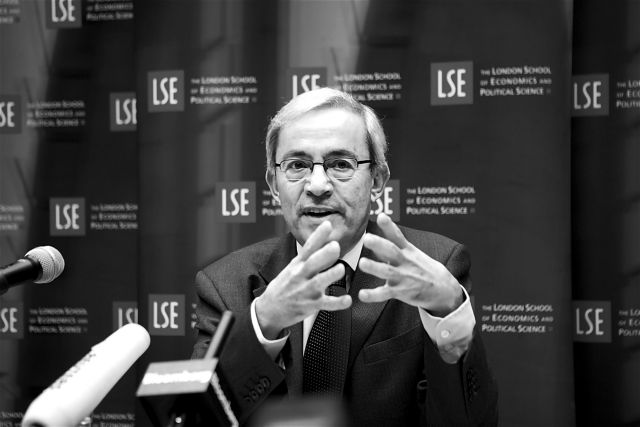
LSE/ΚΥΠΕ
Pissarides, born in Nicosia in 1948, came from a modest background in the Troodos mountains. He studied in England and eventually joined the London School of Economics (LSE), where he built a career explaining why unemployment often remains high even during periods of growth. His theories revealed the gap between job availability and the mechanisms needed to match workers with opportunities.
Though the honor was personal, Pissarides says he immediately thought of Cyprus: “I knew how much it would mean to people there.” Over the years, he also engaged in Greece’s economic debates—particularly during the 2012 financial crisis, when he chaired the National Economic Council of Cyprus, and in 2020 was commissioned by Greek Prime Minister Kyriakos Mitsotakis to draft a long-term development plan. The resulting “Pissarides Report” became a foundational reference for Greece’s future strategy.
Sir Demis Hassabis: A Greek-Ray in AI and Chemistry
Last year, the world of artificial intelligence and molecular science paused: Sir Demis Hassabis, co-founder of DeepMind, won the 2023 Nobel Prize in Chemistry (shared with John Jumper and David Baker) for pioneering work predicting protein structures—a problem that had vexed scientists for decades.
Inside the DeepMind control room, surrounded by molecular models and cascading data, Hassabis learned he was a Nobel laureate. “My mind froze,” he later said.
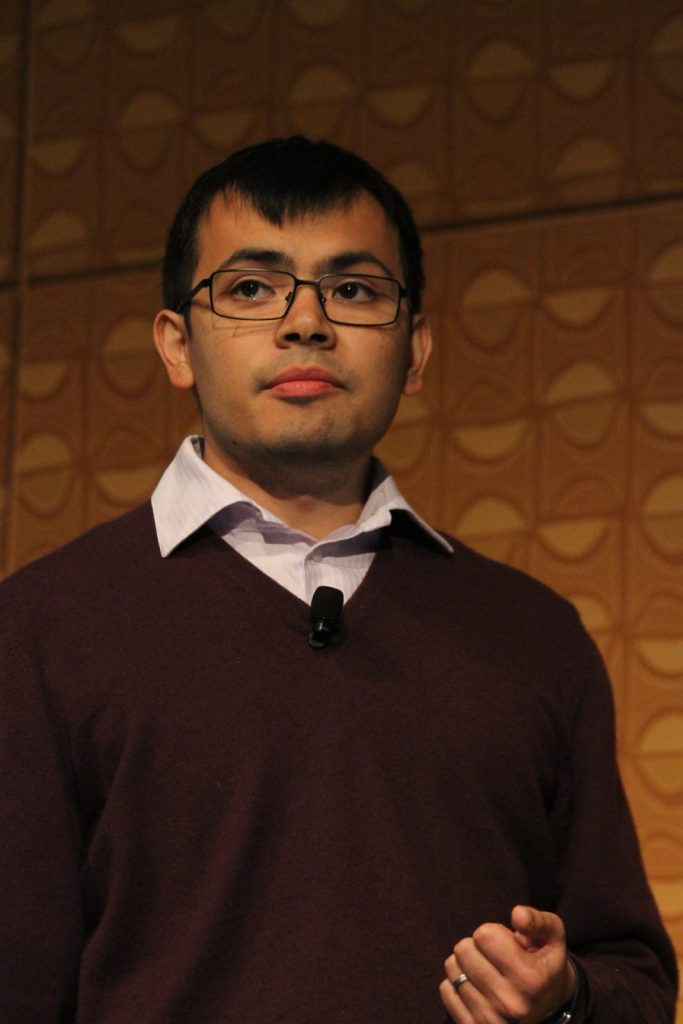
Born in 1976 to a Greek Cypriot father and Chinese Singaporean mother, Hassabis grew up in north London immersed in books and chessboards. By age four, he was learning chess; by thirteen, he achieved a master rating. He used the prize money from chess tournaments to buy his first computer, taught himself to code, and developed early AI programs.
After founding Elixir Studios in the 1990s, he later pursued a doctorate in cognitive neuroscience at University College London, then held positions at MIT and Harvard. In 2010, he co-founded DeepMind in London, which would later create AlphaGo (which defeated the world Go champion) and AlphaFold2, whose protein-structure predictions transformed biology. In a single year, DeepMind predicted the structures of 200 million proteins and released them publicly—accelerating drug discovery and fundamental science globally.
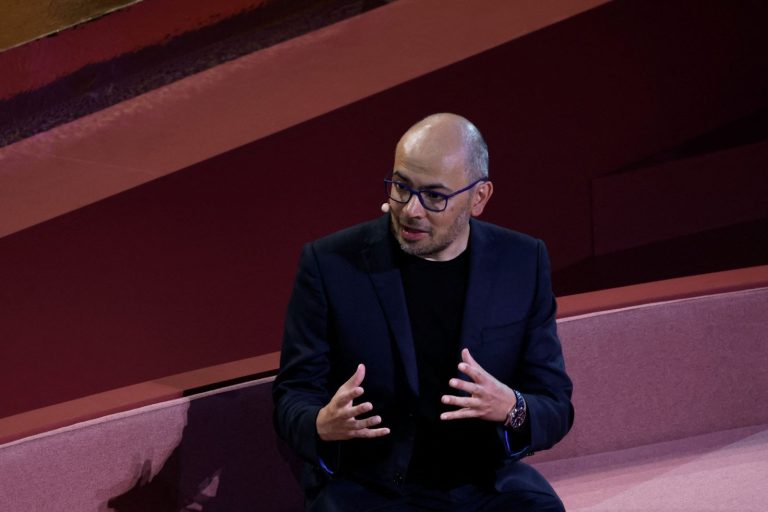
During his Nobel Week interview, Hassabis described his philosophy: build an environment that brings together physicists, biologists, engineers, and philosophers, a return to the golden age of interdisciplinary labs. Last September, he visited Greece to take part in a conference on AI, Ethics, and Democracy at the Herodion in Athens, co-hosted by Google Greece, a symbolic homecoming for a mind reshaping global science.