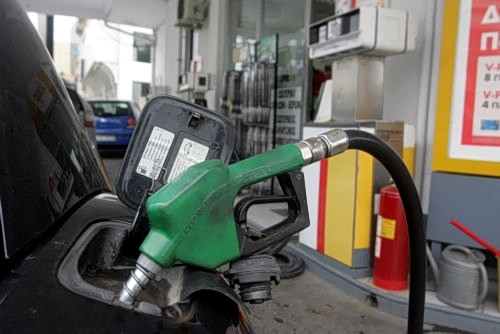

The Greek government has signaled readiness to intervene in the market if escalating tensions in the Middle East disrupt fuel and essential goods supply. Development Minister Takis Theodorikakos emphasized that regulatory measures are prepared to prevent speculative price spikes and safeguard consumers.
Rising oil prices and uncertainty around the Strait of Hormuz, a key energy shipping route, have already prompted vigilance from Greece’s economic authorities. “The government closely monitors developments in the Middle East and their potential economic impact,” Theodorikakos stated, highlighting that a complete set of emergency measures is ready for deployment pending a formal government decision.
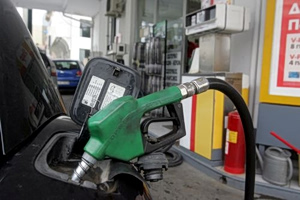
Among the planned interventions are limits on profit margins for fuel stations and retailers on essential products, alongside measures designed to mitigate inflationary pressures. The government aims to ensure that no form of profiteering or market exploitation occurs during the crisis.
The Ministry of Development is working in coordination with the newly established Independent Consumer Protection Authority, which is already conducting hundreds of market inspections. Early reports indicate limited cases of price exploitation, and authorities expect these to be eliminated once the emergency measures are enacted.
Additional measures under consideration include subsidies for electricity bills through the Energy Transition Fund, support for fuel costs via programs like the Fuel Pass, and targeted assistance for businesses facing high energy expenses. These tools are intended to prevent cost increases from being passed on to consumers and to stabilize the domestic market amid global uncertainty.
“The climate of uncertainty in the region requires serious and responsible monitoring,” Theodorikakos said, emphasizing the government’s commitment to protecting both the economy and Greek society. With approximately a quarter of the world’s energy resources sourced from the Middle East, prolonged conflict could significantly increase transportation costs and put further pressure on domestic prices.