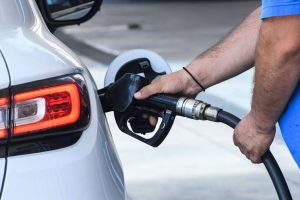
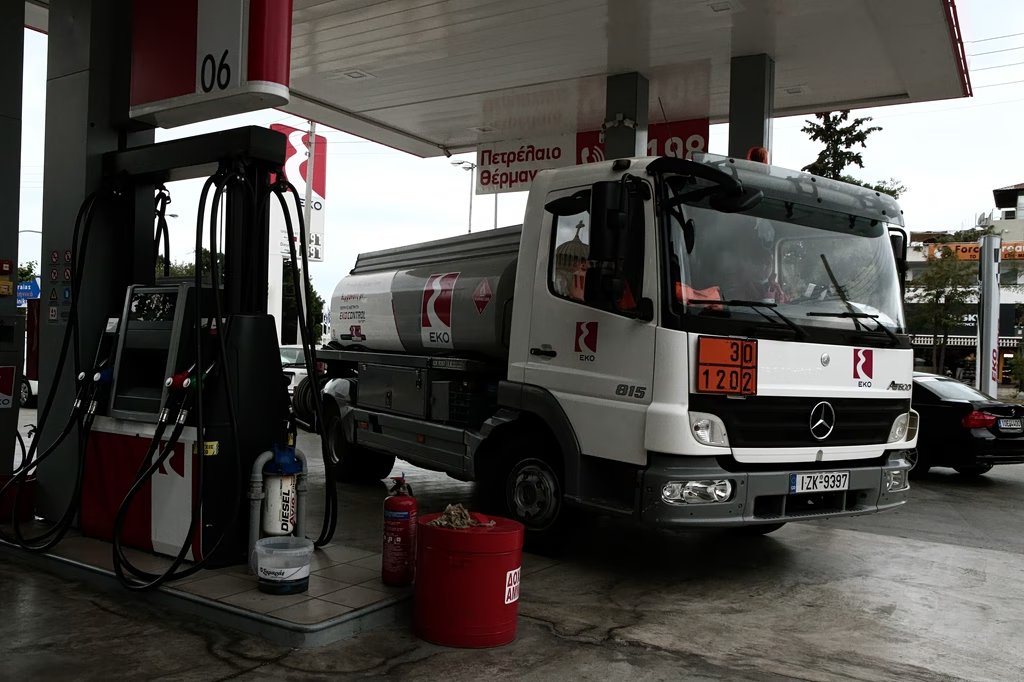
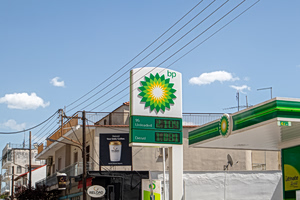
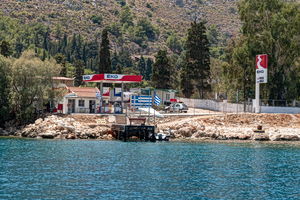
Rising fuel costs are squeezing households and businesses across Greece, with island regions once again facing the highest prices in the country as transportation costs drive pump prices even higher
Inflation in Greece climbed sharply in April, with steep rises in energy, fuel and basic food prices placing even heavier pressure on household budgets and the overall cost of living
Fuel, transport and food costs drove a sharp monthly spike, with diesel prices up 32.4% year-on-year and no relief expected in the months ahead.
Rising prices spill beyond fuel into everyday essentials, squeezing incomes and reshaping consumer behavior, as most households expect further increases and cut back on spending
Rising global oil prices and ongoing geopolitical uncertainty are pushing Greece toward extending fuel support measures, as households and supply chains face mounting cost pressures
Drivers and professionals struggle with rising costs while the government weighs extending subsidies and longer-term measures to ease the burden
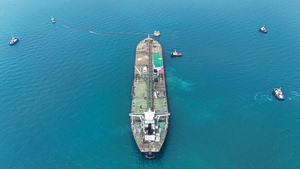
Fuel availability is also a growing concern. The International Energy Agency warns Europe may have just six weeks of reserves, while Ryanair, Virgin Atlantic Airways, and EasyJet have only forecast supply through mid-May.
Inflation rises as Greece continues to outpace the eurozone, exposing structural weaknesses in its energy-dependent economy. It also raises concerns that price pressures will prove more persistent, compounding the strain on households.
According to the Financial Times, Europe's airport industry has sounded the alarm over impending jet fuel shortages. ACI has warned EU Commissioner Apostolos Tzitzikostas that systemic supply failures could hit within 3 weeks unless the Strait of Hormuz reopens.
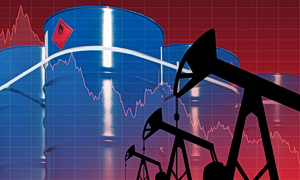
Brent crude hovered near 111 euros per barrel, up 0.7% from the previous session, while West Texas Intermediate settled around 115 euros, marking its highest close since June 2022.
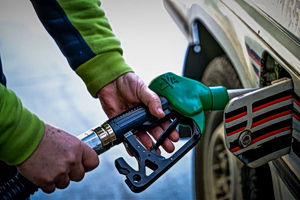
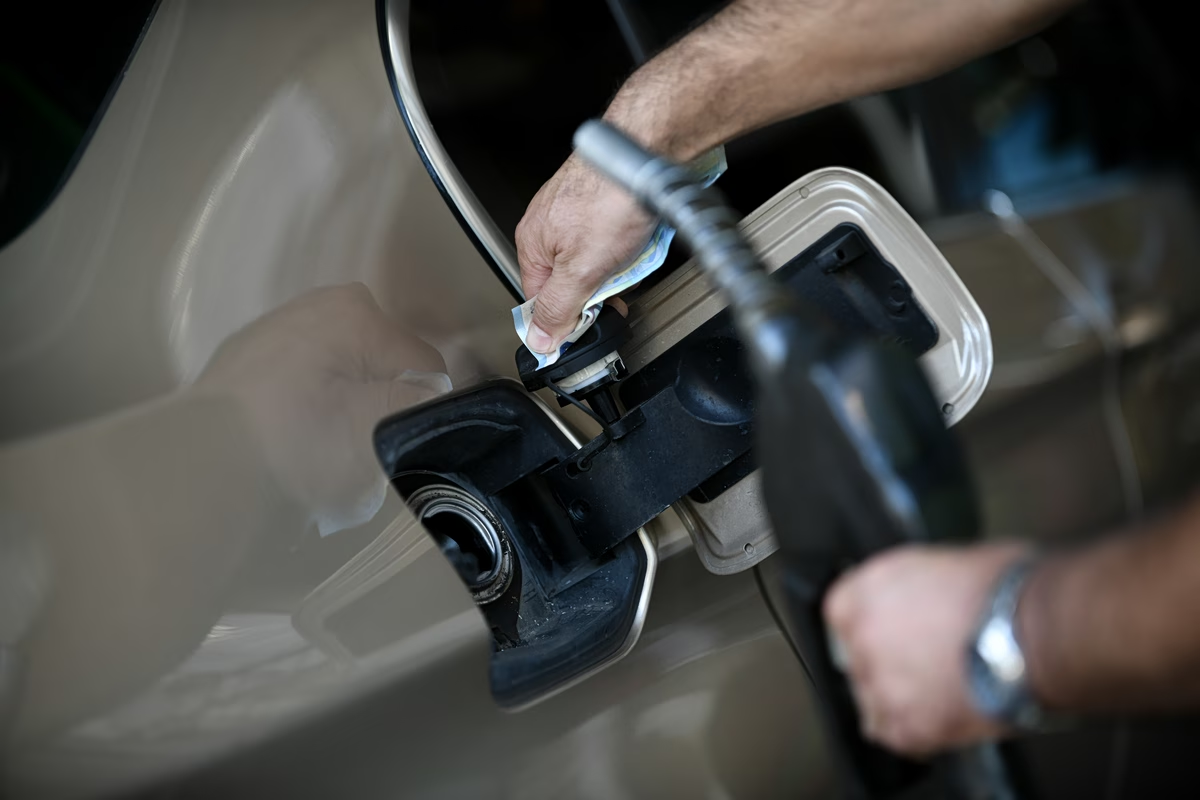
Eligible drivers can apply for fuel aid of up to €60, with income-based criteria covering most households and additional support for diesel users
As fuel prices surge across Europe, Greece remains near the top of the EU rankings. High taxes and global oil increases are driving fuel prices to record highs, placing a disproportionate burden on greek consumers.
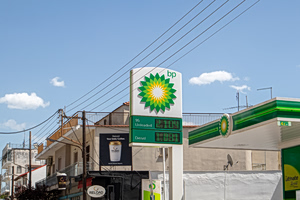
Half of the fuel stations inspected in Rhodes breached price caps, with authorities imposing fines and expanding enforcement efforts.
Eurozone finance ministers hold emergency talks as oil tops $100, driving up costs for households and businesses and raising concerns over a new inflation cycle and the bloc’s ability to respond in time.
Amrita Sen, founder of Energy Aspects, was also cited as warning that the situation clearly pointed to further escalation and, consequently, higher oil prices, while cautioning that assumptions Iran might back down were misplaced.
Rising oil and jet fuel prices amid the Middle East conflict are pushing airlines to increase fares, as companies struggle to absorb soaring costs while trying to keep travel accessible for passengers
On migration, responding to a BBC question about allegations of migrant pushbacks from Evros into Turkey, Mitsotakis said that Greece's duty is to protect both its own borders and those of the European Union, and he would not apologize for those policies.
Tom Kloza, senior energy adviser at Gulf Oil, reportedly warned that markets could enter an “all bets are off” scenario if the conflict spread beyond the Gulf to energy infrastructure in Europe or the U.S.
As leaders arrive in Brussels and issue pre-summit statements, surging oil prices and Middle East tensions dominate talks, with Greece weighing diesel subsidies and EU states pushing for tax relief measures.
Volatile fuel prices could make road trips and flights more expensive, but travelers have options to ease the financial hit