Growing geopolitical tensions in the Middle East and the risk of a renewed spike in global energy prices are raising fresh concerns about the greek economy’s resilience as well as the government’s capacity to respond if inflationary pressures intensify.
Officials are particularly concerned about how higher energy costs could spread across the economy. As seen during the energy crisis triggered by Russia’s invasion of Ukraine, sharp increases in natural gas and electricity prices quickly fed into production, transport and consumer prices, eroding household purchasing power.
In such a scenario, one of the government’s main lines of defense is Greece’s fiscal buffer -the state’s cash reserves- which give policymakers the ability to absorb economic shocks without immediately turning to borrowing.
A €35–40 Billion Safety Net
Greece’s public cash reserves are currently estimated at between €35 billion and €40 billion, placing the country among the eurozone members with the largest liquidity buffers.
For investors and credit rating agencies, the size of this reserve is seen as a key indicator of resilience. It signals that even during periods of heightened market volatility, Greece has the financial breathing space to meet its obligations before needing to borrow at potentially higher costs.
The reserve includes:
- Government cash holdings
- Deposits from public sector entities
- Funds raised from past debt issuances
In practical terms, the reserve is large enough to cover more than a year of the Greek state’s gross financing needs. This means that even if bond markets become more expensive or temporarily inaccessible, the country could continue servicing its obligations without immediate funding pressure.
For international investors, such liquidity reserves are viewed as an important signal of financial credibility during periods of global uncertainty.
Lessons From the Energy Crisis
The importance of Greece’s fiscal reserves became particularly evident during the energy crisis of 2022–2023.
In 2022 alone, soaring natural gas and electricity prices placed severe pressure on household incomes and business costs. The Greek government responded with a broad support package that amounted to €10.6 billion.
Of that total, €4.8 billion was financed directly from the state budget, while the remainder came from the Energy Transition Fund.
The measures included:
- Subsidies for electricity bills
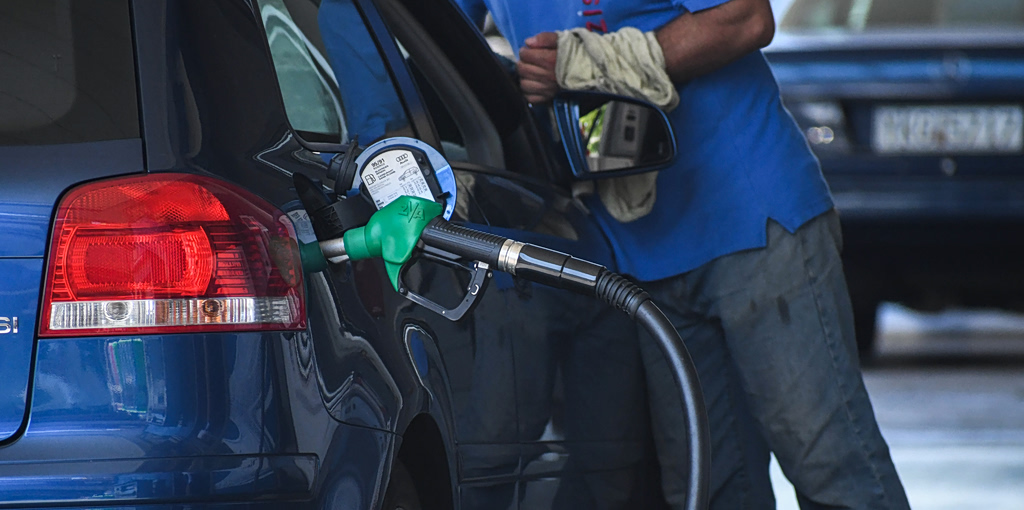
- Fuel support programs
- Assistance for vulnerable households and businesses
The scale of the intervention illustrates how quickly an energy shock can translate into a fiscal challenge.
If a similar episode were to occur today, the government would once again have to assess how much fiscal space it has for new support measures without undermining budget stability.
The $100 Oil Threshold
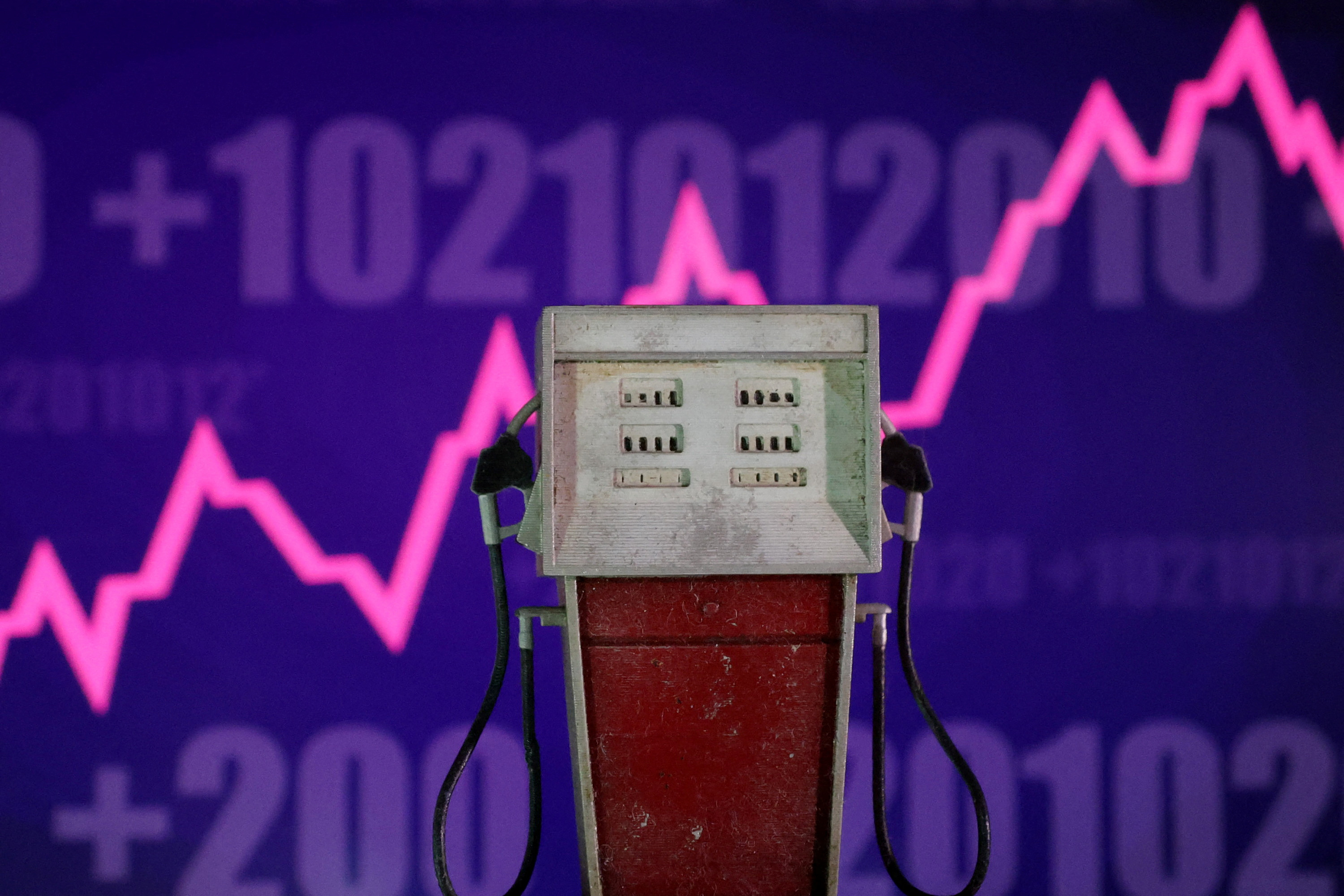
Oil prices remain one of the key risk indicators monitored by Greece’s economic policymakers.
According to government sources, oil prices approaching or exceeding $100 per barrel for a sustained period could trigger a new round of support measures aimed at containing the impact of rising living costs.
Higher oil prices affect the economy in multiple ways:
- Increasing fuel costs
- Raising transportation expenses
- Driving up production costs
- Pushing food and service prices higher
For an economy such as Greece’s, which remains relatively dependent on imported energy, these effects can quickly translate into weaker household purchasing power.
This explains why the possibility of additional intervention remains under consideration, even as the government continues to emphasize the importance of maintaining fiscal surpluses.
Debt Strategy and Market Access
The fiscal buffer is also closely tied to Greece’s borrowing strategy.
For 2026, the government’s borrowing program is expected to range between €8 billion and €10 billion in new debt issuance.
These bond sales serve not only financing needs but also a broader strategic purpose: maintaining Greece’s presence in international markets and supporting the yield curve of Greek government bonds.
Because the state holds significant cash reserves, the Public Debt Management Agency has greater flexibility in choosing when to access the markets. If market conditions become volatile, the government can delay or scale back issuance without creating immediate financing pressure.
At the same time, Greece’s public debt profile contains features that limit the country’s exposure to short-term market fluctuations. The average maturity of the debt exceeds 20 years, and a large share carries fixed interest rates. As a result, short-term increases in bond yields do not immediately translate into higher debt servicing costs.
The Real Test: Duration of the Crisis
Despite the strong cash reserves, the real test for Greece’s fiscal position would depend on the duration of the conflict.
If oil prices remain close to or above $100 per barrel for an extended period, the economy could face a renewed wave of inflation and pressure on household incomes.
In that scenario, the government would likely face a difficult policy trade-off: supporting households struggling with rising living costs while maintaining the fiscal discipline that underpins the country’s investment-grade credit rating.
The fiscal buffer provides time and flexibility for policymakers to design their response. The central question, however, is how much of that reserve could realistically be deployed if a prolonged energy crisis forces the government to intervene again.
Source: ot.gr