
More and more older Greeks are embracing digital tools for their financial transactions, with recent surveys indicating a strong shift toward electronic payment methods among senior citizens. Technology is gaining ground across all age groups, and the data speaks for itself: over 70% of older citizens in Greece now conduct transactions digitally.
In the last four years alone, the percentage of Greeks over 65 who shop online has risen by 21%. At the same time, nearly one in every two euros spent by Greek consumers today is paid via card or other electronic methods rather than cash.
Projections for 2025 suggest that 47% of consumer spending in Greece will be processed through digital payment channels. A nationwide survey found that seven in ten Greeks now use cards and digital wallets in their daily purchases.
The trend is particularly noticeable among those over the age of 55. According to first-quarter 2025 data from FocusBari, 71% of those over 65 made at least one online purchase in the past six months. The 45–54 age group reached 76% , and 55–64 rose to 61% (up 12%).
Digital Transactions Become the New Normal
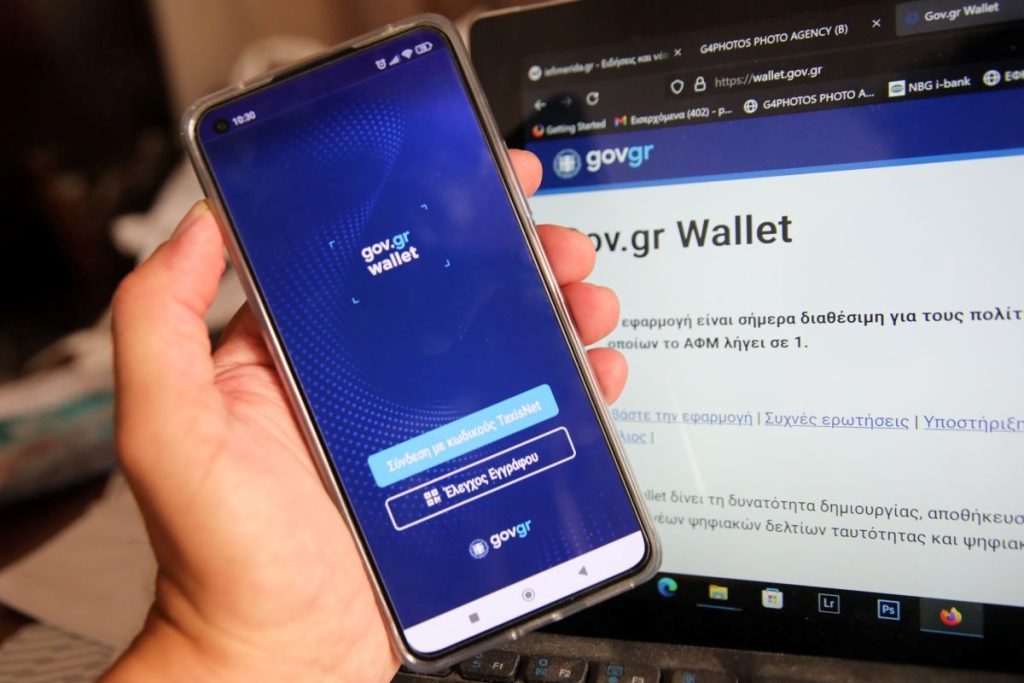
The growing digital engagement of older Greeks is also reflected in public services. Recent figures from the Hellenic Statistical Authority reveal that around 61.6% of Greeks received official documents—such as tax notifications—through their personal digital accounts. Nearly half (46%) booked appointments with public services online, up from 39.1% in 2023.
Additionally, 62.8% of the population aged 16–74 who have ever used the internet have made at least one online purchase of goods or services.
The range of products being bought online is broad. Among internet users aged 16–74, 75.6% purchased clothing and fashion accessories, 63.9% ordered food delivery from restaurants and fast-food chains, while 28.2% purchased groceries or beverages, whether online or in-store.