 Μake us preferred on Google
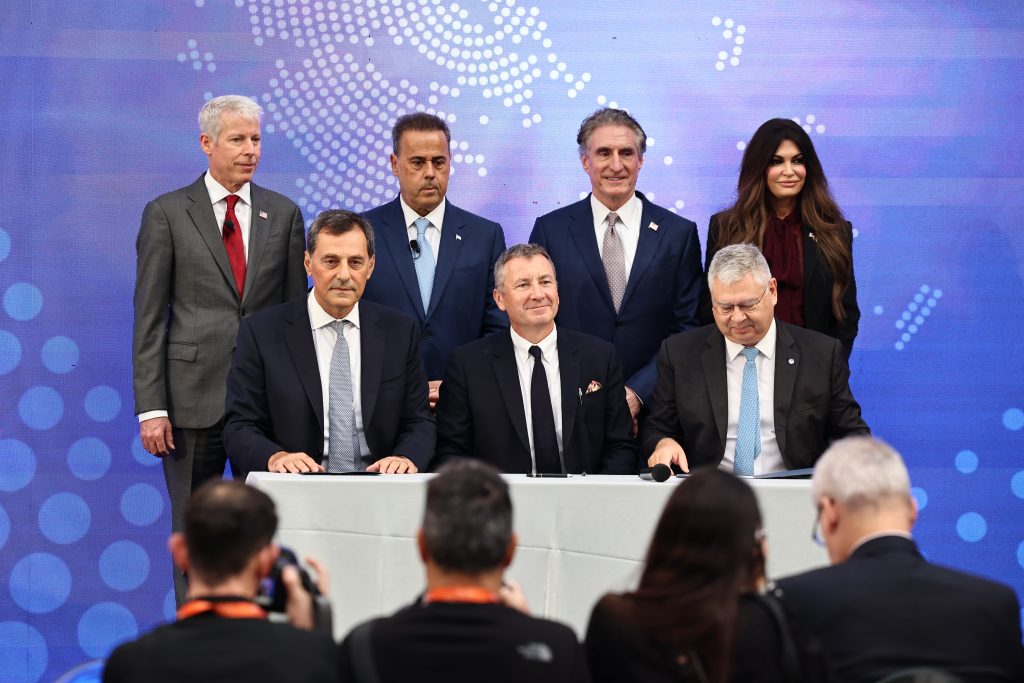
 As the first day of the sixth meeting of the Partnership for Transatlantic Energy Cooperation (P-TEC) unfolded in Athens, Greece’s ministers and energy executives struck an unmistakably upbeat tone in the aftermath of the signing of a landmark offshore drilling deal between Energean, HelleniQ Energy, and ExxonMobil, the country’s first such agreement in 40 years.
From the stage, they presented a country transformed: one that no longer sees itself as Europe’s energy periphery but as a growing crossroads between the Eastern Mediterranean and Central Europe, and a partner the United States can rely on.
“With our energy plans, we are creating new arteries that will revitalize the region and will create peace and prosperity,” said Stavros Papastavrou, Greece’s minister for environment and energy. His comment captured a mood of confidence that ran through much of the day’s discussion, even as questions linger about how quickly these ambitions can be realized.
Betting on energy
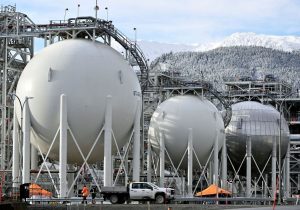
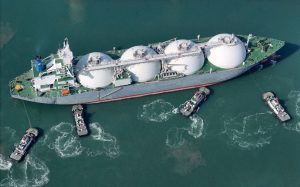
Papastavrou described Greece’s recent energy policy as a “strategic bet” — one he argued is already paying off. Six years ago, Greece began investing heavily in gas infrastructure, expanding the Revithoussa LNG terminal, developing the Alexandroupoli floating storage unit (FSRU), and backing cross-border pipelines such as the IGB and TAP.
The result, he said, is a shift from being a simple consumer of imported gas to a regional transit hub. Greece now handles roughly 17 billion cubic meters annually, up from six billion in 2018, with about two-thirds of that moving onward to European markets.
Papastavrou pointed to the so-called Vertical Corridor — a chain of energy interconnections running through Greece and its northern neighbors — as a project that goes beyond infrastructure. It represents, he said, “our combined effort to create new arteries that will revitalize the region and will create peace and prosperity.”
Geopolitics in the boardroom
That message of confidence was reinforced by Kyriakos Pierrakakis, Greece’s minister of economy and finance, who described an investment environment shaped as much by geopolitics as by economics.
Asked about the prospects for more U.S. investment beyond the energy sector, Pierrakakis did not hesitate. “In one word: absolutely,” he said.
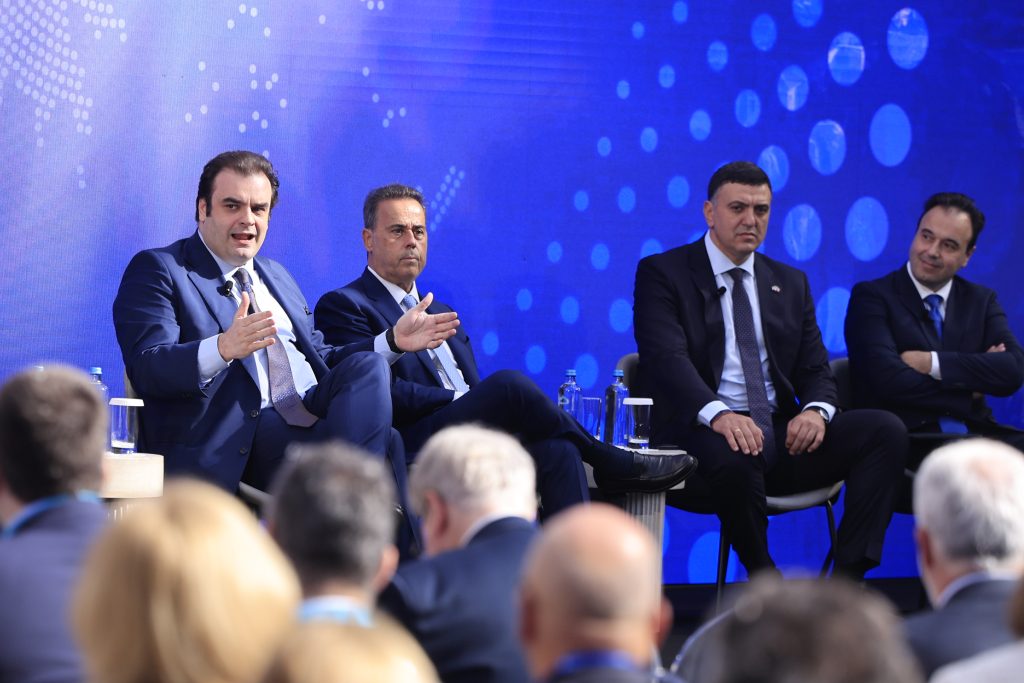
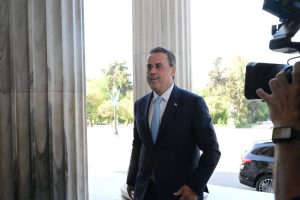
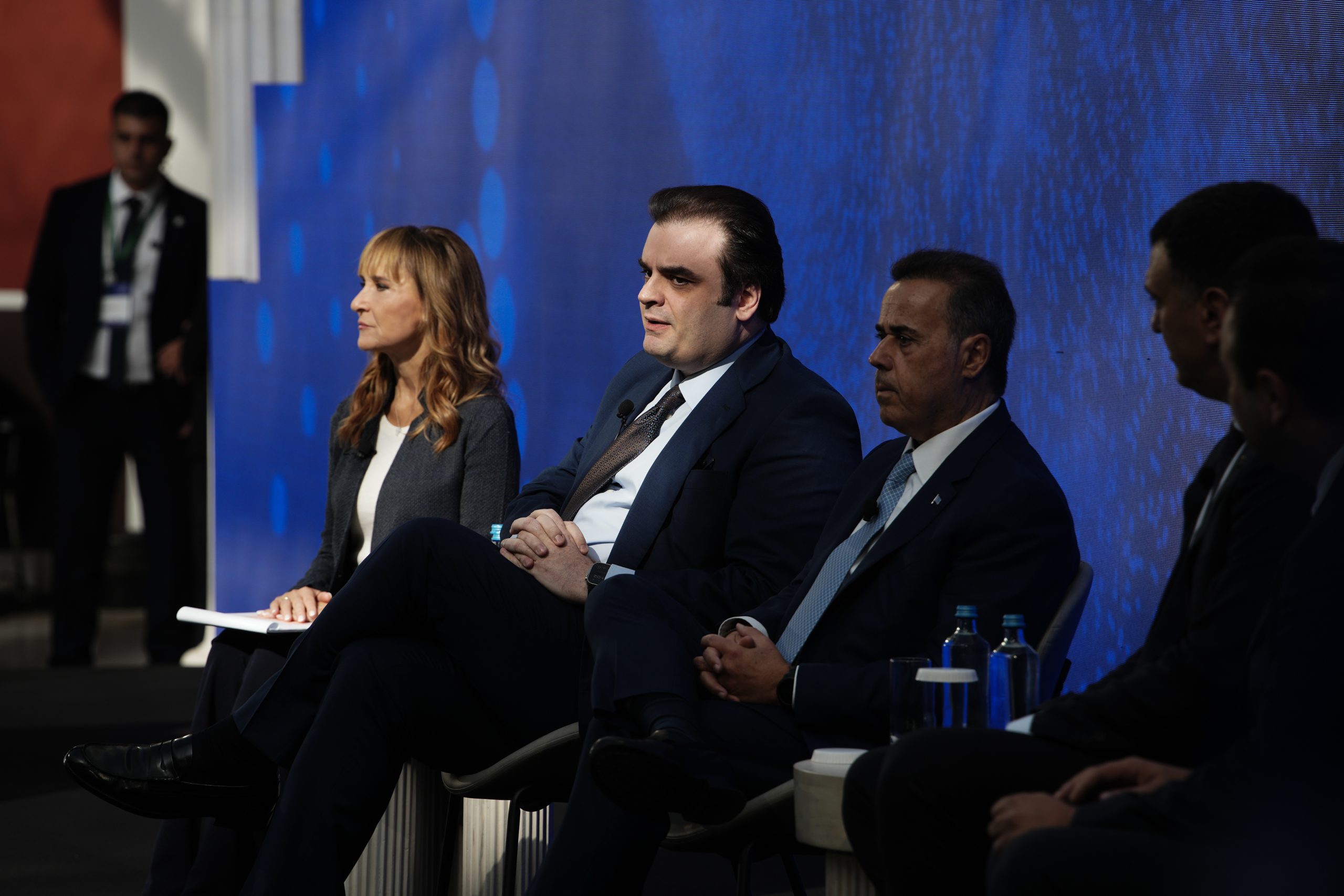
First day of the Partnership for Transatlantic Energy Cooperation (P-TEC) conference at the Zappeion Hall, Thursday, November 6, 2025. (Giorgos Kontarinis / Eurokinissi)
He dismissed suggestions that Greece lacks the “tickets” — the opportunities — to meet international interest. “We do have the tickets,” he said, emphasizing that the government wants strategic investors and aims to move quickly.
But Pierrakakis also made clear that Athens understands how deeply politics and security now shape investment decisions. “Geopolitics is back in the boardroom,” he said, adding that Greece’s position within NATO and the European Union is central to how it approaches new partnerships.
“We truly believe that the bilateral relationship with the United States is existentially strategic for us,” he added — a remark that drew nods from both Greek and American officials in the audience.
Pierrakakis said the government sees “specific interest on the ground” in infrastructure assets, predicting that several of those projects “will quite soon materialize.”
Ports, shipyards and partnerships
Maritime and Island Policy Minister Vassilis Kikilias outlined plans to deepen cooperation with U.S. counterparts in shipping and port infrastructure, linking Greece’s maritime heritage to its emerging energy role.
He said Prime Minister Kyriakos Mitsotakis has tasked his ministry with exploring partnerships between Greek and American shipyards, expanding ship repair and shipbuilding collaboration, and attracting U.S. investment into Greek ports, especially those connected to LNG, bulk shipping, and defense. He added that frameworks for such partnerships are expected to take shape “in the weeks and months to come.”
Industry voices: between optimism and pragmatism
Executives from Greece’s leading energy firms largely shared the government’s enthusiasm while stressing the need for realistic timelines.
Andreas Shiamishis, CEO of HelleniQ Energy, praised the pace of recent government actions, noting that the state had moved with “determination and speed” to close recent deals with Chevron and ExxonMobil. But he also reminded the audience that hydrocarbons would remain part of Europe’s energy mix for years to come, given the limitations of current renewable technologies.
“While we all want to save the planet, there has to be a more realistic approach,” he said. “Hydrocarbons are still the easiest form of transferable energy.”
Konstantinos Xifaras, CEO of DEPA, described how Greece is preparing for the European Union’s planned phase-out of Russian gas by 2027. The company, he said, is securing long-term supplies through the Trans Adriatic Pipeline (TAP) and expanding capacity at the Revithoussa and Alexandroupoli LNG terminals, where DEPA also holds stakes.