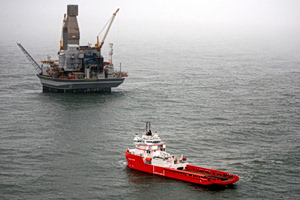
March 12 is set to mark a key milestone for Greece’s offshore energy strategy, as Parliament is scheduled to vote on contracts granting offshore hydrocarbon exploration rights in maritime areas south of the Peloponnese and Crete to a consortium formed by Chevron and Helleniq Energy.
The agreements, which were submitted to Parliament on Monday, will first be introduced to a parliamentary committee on Thursday, March 5, before heading to the plenary for a final vote.
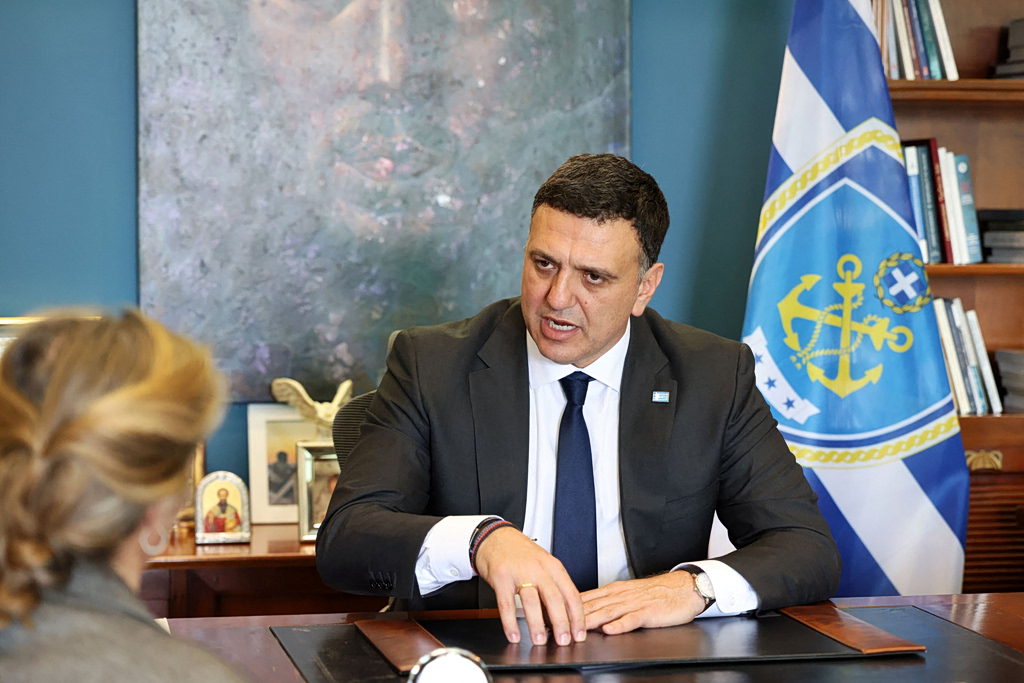
Environment and Energy Minister Stavros Papastavrou said the government aims to begin geological surveys in the designated offshore areas before the end of the year. In parallel, an exploratory drilling operation in the Ionian Sea is planned within the next 12 months by a separate consortium consisting of ExxonMobil, Energean and Helleniq Energy.
Government: Greece Has a Diversified Energy Mix
Speaking to public broadcaster ERT, Papastavrou also addressed broader developments in the Middle East and their possible impact on energy markets.
“From an energy standpoint, we have a diversified mix that allows us to maintain energy resilience,” he said. “We have renewables, we have hydroelectric power, we are a hub for energy interconnections, and we are working to make the country a natural gas producer as well.”
He added that the government would provide support to citizens if necessary. “The government of Kyriakos Mitsotakis has proven in practice that, when needed, it has both the financial and institutional tools to support the Greek citizen,” Papastavrou said, clarifying that “we are not at that point,” but that authorities remain on alert.
He also noted that a European Union working group is set to meet on Wednesday in order to discuss the developments in the wider Middle East and how they affect energy supply and prices in the EU.
Response to Criticism Over Chevron Agreement
Papastavrou was asked about criticism voiced by former Prime Minister Antonis Samaras concerning the Chevron agreements.
“I respect Antonis Samaras,” he said, recalling their cooperation during Greece’s financial crisis, including legal negotiations in 2012 that led to the disbursement of €44 billion aimed at stabilizing the country’s economy.
However, he rejected the criticism.
“The assessment of the agreements with Chevron is not correct,” he said. “These agreements do not concede sovereign rights. How could they? They strengthen our country’s position and, if anything, weaken the illegal and unfounded Turkish-Libyan memorandum.” Papastavrou argued that Turkey’s strong reaction at the United Nations confirms that Athens is exercising its sovereign rights in practice.
“Our country exercises its sovereign rights in practice and, obviously, does not concede any rights,” he said.