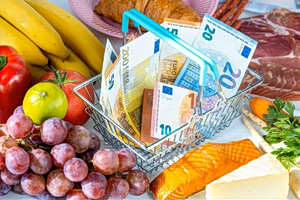
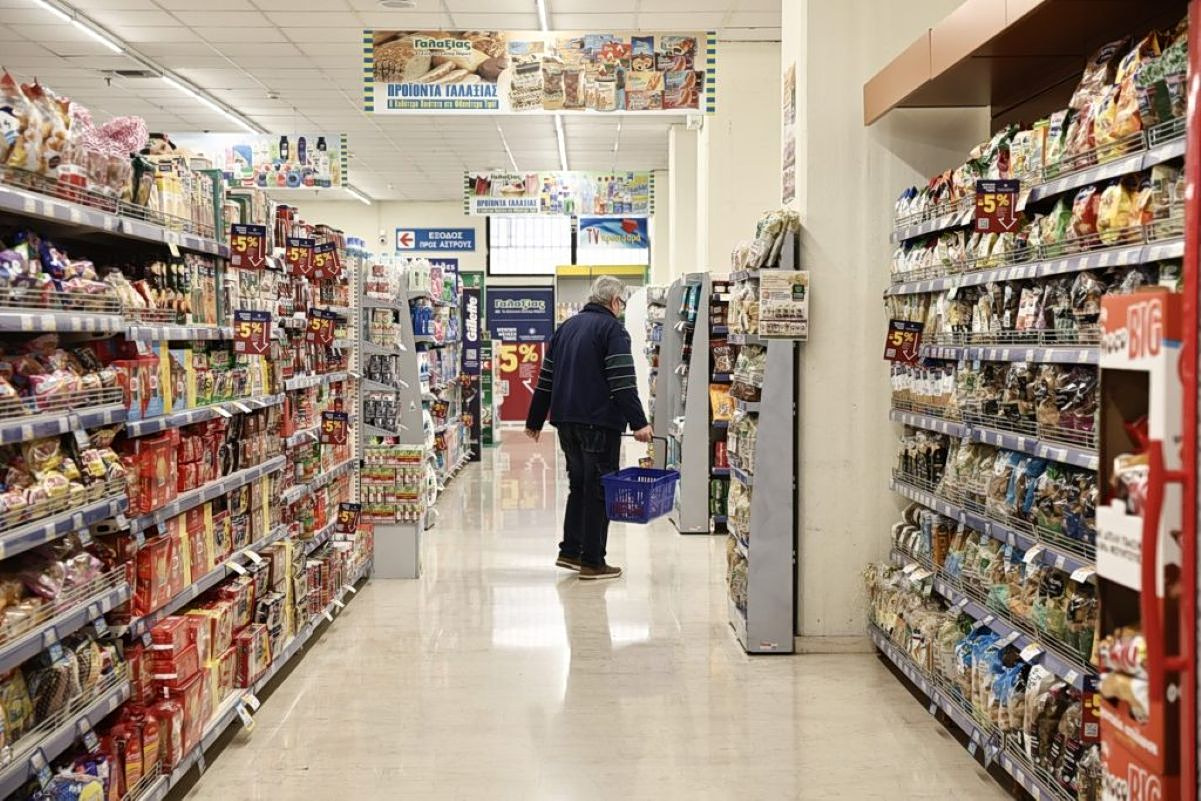
Uncertainty and unease have quickly reached Greece’s supermarket aisles in the first days after the outbreak of war in the Middle East, with consumer anxiety already spilling into shopping behavior.
According to a NielsenIQ survey conducted on March 9–12, 57% of respondents said they felt worried, while 27% reported acute stress. Another 13% expressed anger, and only 3% said they felt indifferent. The findings point to a heavy public mood, one that is already shaping both consumer psychology and the market’s first reactions.
The shift in habits is unmistakable. Some 72% of consumers say they have already adjusted their behavior: 35% are cutting spending, 25% are reducing social outings, and 10% report stockpiling basic goods. Their concerns center mainly on possible price increases (22%) and shortages (19%), while geopolitical escalation and rising fuel costs worry 16% and 14% respectively.
Compared with NielsenIQ’s February readings, the change is striking. Before the crisis, concern was focused largely on everyday financial strain, especially food prices (45%), energy bills (21%) and the ability to cover basic needs (17%). Now, that anxiety has widened to include broader market instability, with fears of shortages and supply-chain disruption.
As the Strategic Analytics and Insights Market Leader for Greece and Bulgaria at NielsenIQ, noted, consumer behavior tends to move through four stages: shock, awareness, adjustment and restart. For now, the Greek market appears to remain in the first phase, marked by immediate and intense reactions.
The broader economic backdrop remains punishing. Some 57% of households say their income covers only essential needs, while just 13% report an improvement in their financial situation. Even so, consumers are adapting: around 68% say they closely monitor prices, 76% actively seek offers, leaflets and coupons, nearly eight in 10 systematically try to buy at the lowest possible price, and one in two now shops for essentials under a strict budget.
That caution reflects a longer trend. NielsenIQ data on FMCG sales from 2006 to 2025 show that sales volumes remained broadly flat, while average prices rose by 30%. In other words, consumption has held steady, but market value has grown mainly through higher prices over two turbulent decades shaped by crisis, pandemic and inflation.