A family meal at a restaurant can feel like a high-stakes mission for parents of young children. The question appears again and again in parenting forums: Where can we eat out with kids and actually have a good time — all of us?
The good news: eating out with children is not only possible, it can be genuinely enjoyable. The key lies in preparation, choosing the right setting and adjusting expectations — for both kids and adults.
What children really want
Most young children do not want to sit still at a table for long periods of time. That simple truth should guide the choice of restaurant. Spacious venues, outdoor seating, or places near a playground can make all the difference.
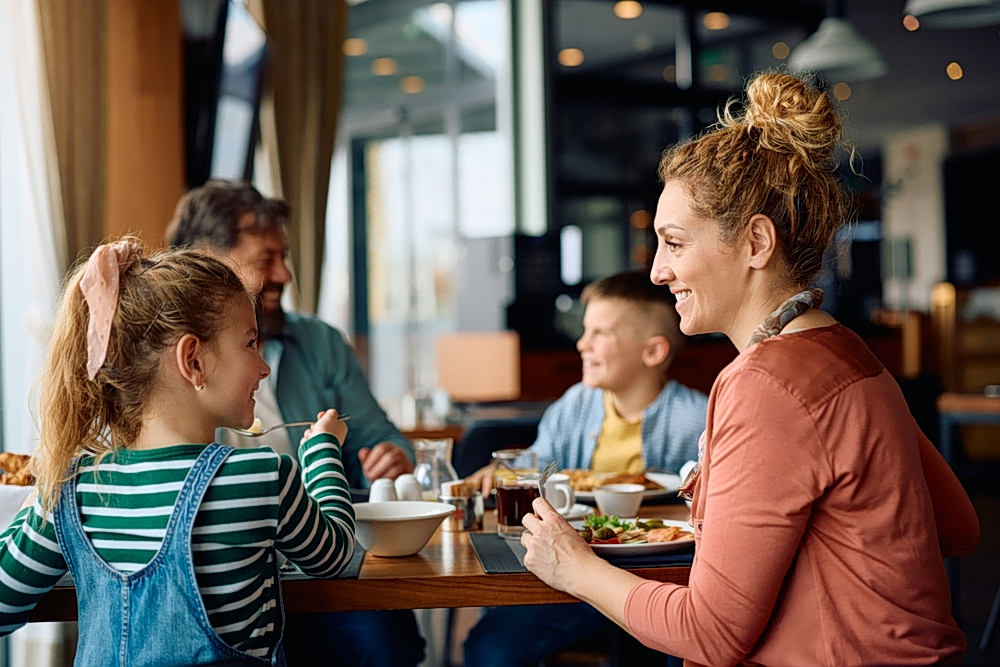
Food matters just as much. While many children are open to fast food, their preferences in “regular” restaurants tend to be predictable. Pasta, fries and burgers rank high. Fish and more complex dishes are often a tougher sell.
To meet these realities, many so-called “family restaurants” expand their menus to cover every possible taste. Seafood restaurants may also serve meat. Grill houses may offer pizza. Pizzerias may add crepes or other crowd-pleasers. What was once considered a culinary red flag — an overly broad menu — has become an asset for families trying to keep everyone happy.
Parents often accept a compromise on gastronomy if it means seeing empty plates and content faces around the table.
What parents want
For many families, especially on Sundays, eating out is less about culinary adventure and more about rest. After a full workweek and a Saturday filled with errands, parents want a reliable, stress-free outing.
That often means sticking to two or three tried-and-tested restaurants where the space works, the menu is predictable and the staff is accustomed to children. Experimentation takes a back seat to peace of mind.
Safe choices increase the odds that everyone — including nearby diners — will enjoy the experience.

Breaking out of the comfort zone
Occasionally, circumstances call for something different: a celebration, an invitation, an anniversary. That may mean dining at a fine dining restaurant with artistic plating, attentive service, expensive tableware and a quiet atmosphere.
For many parents, bringing a young child into such an environment feels unthinkable. The common reaction is simple: you just don’t take kids to places like that.
But avoiding the situation entirely is not the only solution.
Preparation is everything
Before booking, call the restaurant. Some venues accept children only above a certain age. Others offer a children’s menu or are willing to adjust dishes. Reserve a table during off-peak hours, when the room is calmer and more forgiving.
Preparation at home matters just as much. Talk to your child in advance. Explain that this will be a different experience — a place where people speak softly, stay seated and practice good manners. Present it as a shared mission.

Check the menu ahead of time. If you suspect your child will not find anything appealing, consider arriving with them already partially fed. Let them taste from your plate if they show interest, but avoid pressure. Curiosity often works better than insistence. Some children may surprise you with their willingness to try something new. Others may happily settle for bread.
And always have a plan B. A small drawing pad can buy time. In more desperate moments, a downloaded movie on your phone can rescue the evening. For one outing, flexibility is allowed.
Eating out on vacation
Outside major cities, dining often means traditional seaside or countryside taverns. These settings can work in parents’ favor: they are typically relaxed and used to families, with simple dishes that appeal to all ages. Practical details — such as the availability of a high chair — become the main concern.
Beachfront restaurants come with an added challenge: few children can resist the water. A spare change of clothes is rarely optional.
Traveling abroad with a child may feel intimidating, but many parents find restaurants outside Greece surprisingly accommodating. Children’s menus and high chairs are common. Choosing familiar foods — pizza, burgers or a simple sandwich — can ease the pressure on everyone.
Hygiene and cleanliness should be a priority when traveling. Checking online reviews before walking in can provide reassurance. Sampling street food may be tempting, but caution is wise when young children are involved.
A matter of balance
Eating out with children requires compromise, preparation and realistic expectations. Parents may need to adjust their culinary ambitions. Children may need gentle coaching on behavior.
But with the right approach, a family meal at a restaurant can break stereotypes and become what it is meant to be: shared time, good food and memories made together.