Stathis Koremtas has been working in the coffee world for more than two decades. What started in 2013 as a way to make extra money during his engineering studies soon became a lifelong calling. A visit to the HORECA Coffee Championships in Athens — a national barista competition — proved decisive. He was mesmerized by the competitors’ skill, precision, and ability to connect with an audience.
“I realized coffee had already won me over,” he says. “But if I was going to do this, I had to do it properly.”
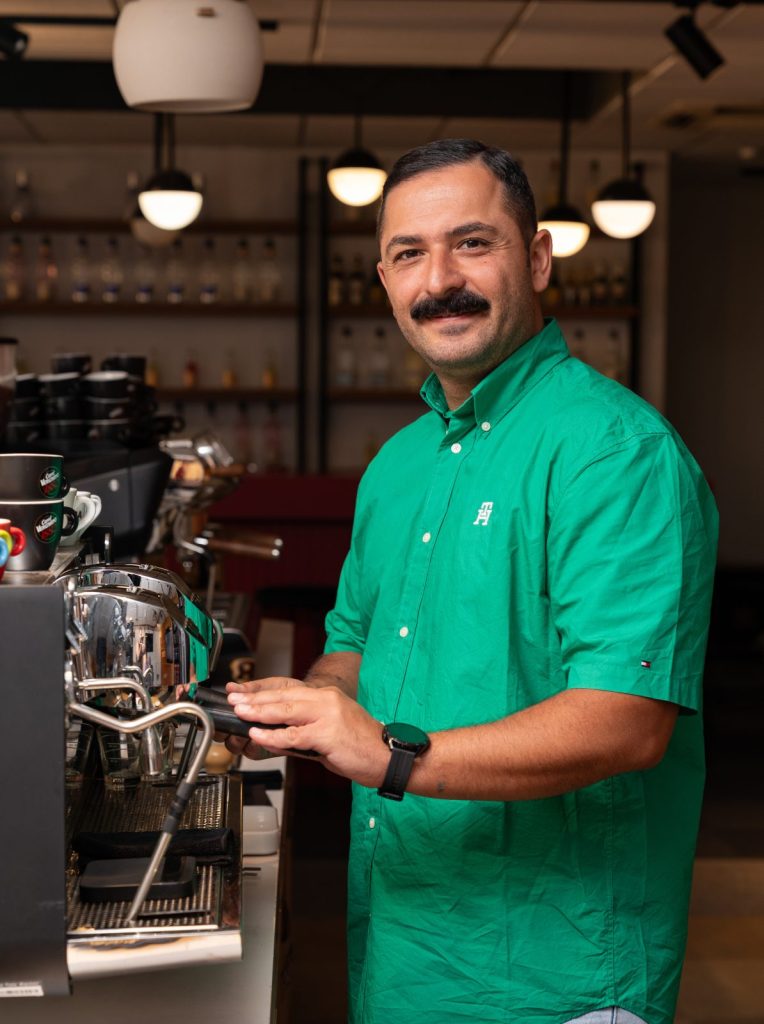
He began competing himself, starting with latte art in 2014. Since then, he has won the Greek Barista Championship four times and placed third twice on the world stage — in Budapest (2017) and Brazil (2018).
The Magic of Coffee
What fascinates Koremtas most is the transformation process:
“You take a raw material and work with it, but once coffee is roasted it immediately starts changing. It tastes different the day you grind it, a week later, and again after two months. You’re constantly challenged to make it as good as possible, balancing variables like water, grind size, and temperature.”
Modern baristas can now measure and control these variables with scientific precision. But for Koremtas, the real artistry lies in knowing your beans and putting your personal stamp on the cup.
More Than Just Technique
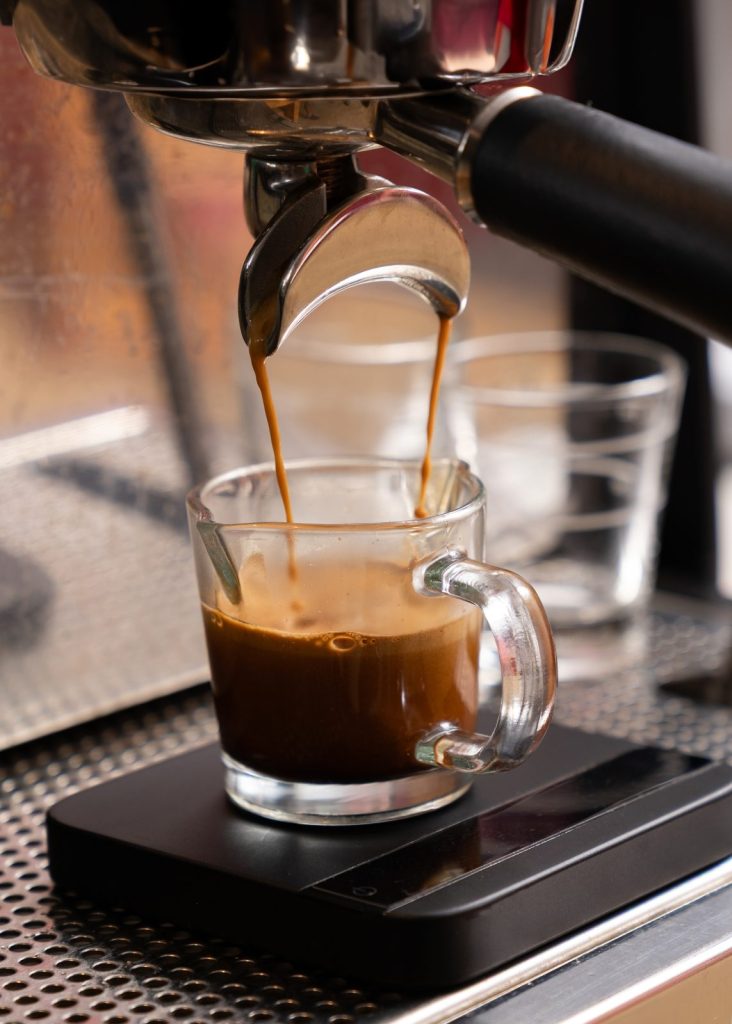
A great barista, he emphasizes, isn’t just about pulling a perfect espresso shot.
“You’re dealing with people, not just machines,” he says. “You need patience, organizational skills, and the ability to multitask under pressure.”
Even though he now works in a multinational company rather than behind the bar, Koremtas admits he sometimes misses the buzz of café life. “But training for competitions while working full-time was exhausting. It was time for a new chapter.”
Can You Make the Perfect Espresso at Home?
The short answer: yes.
“I’ve met home baristas who brew better coffee than professionals,” Koremtas says.
The essentials:
- A reliable espresso machine (good models start at €150–200).
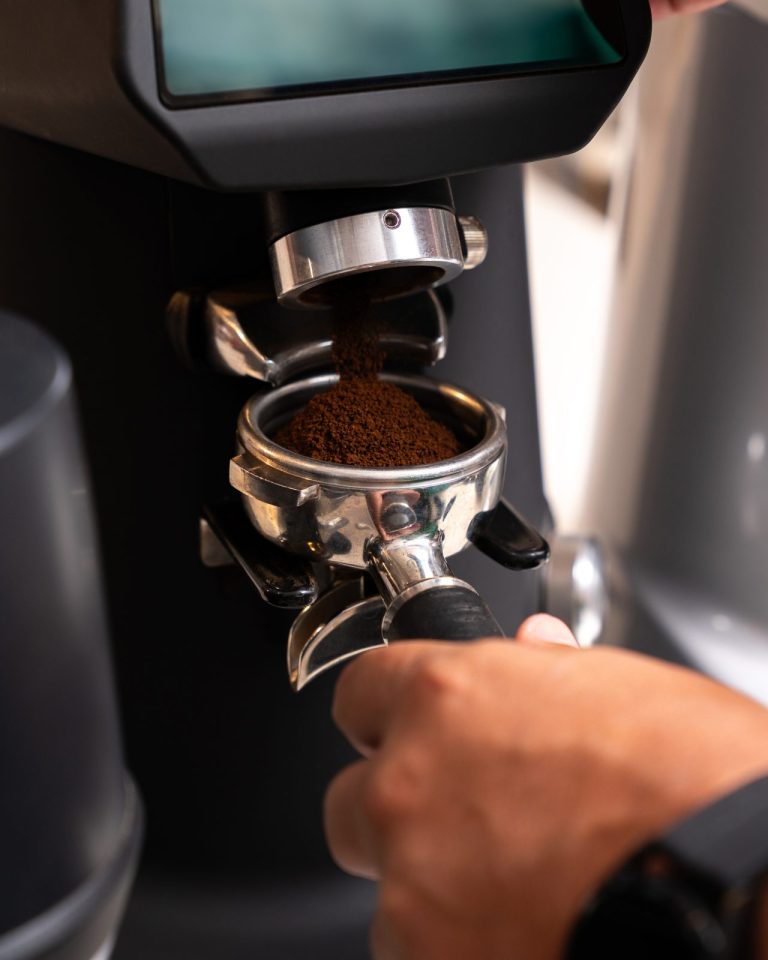
- A quality grinder — “grinding beans just before brewing is crucial.”
- A precise scale to measure doses.
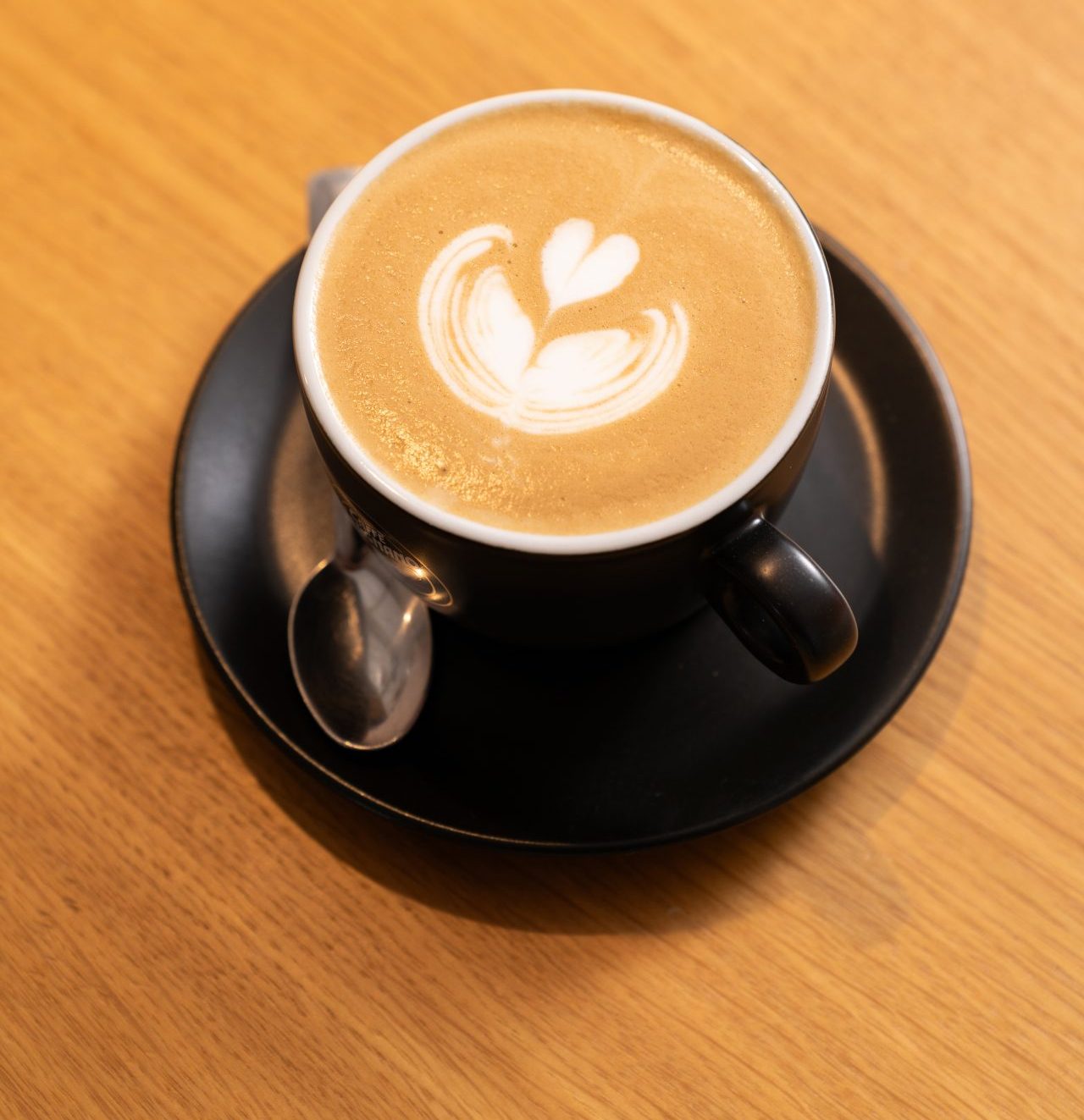
- Filtered or bottled water: “Coffee loses 60% of its flavor in just 15 minutes when exposed to air. Water quality is just as important — it’s the main extraction medium.”
Common Mistakes
- Ignoring water quality.
- Using the wrong ratios. “Many overpack coffee and extract too little liquid, ending up with something too intense and acidic.”
- Misunderstanding specialty coffee. “It’s a delicate, fresh product whose flavor profile changes daily. That’s both its magic and its difficulty.”
Ordering Coffee Out: What to Look For
Rather than fixating on brands, Koremtas advises paying attention to the overall experience:
- Cleanliness and hygiene.
- Quality equipment.
- The barista’s attitude and willingness to engage.
“If you can communicate your preferences and the barista responds positively, you’ll get a satisfying cup.”
Choosing Your Blend
Understanding blends can elevate your coffee experience:
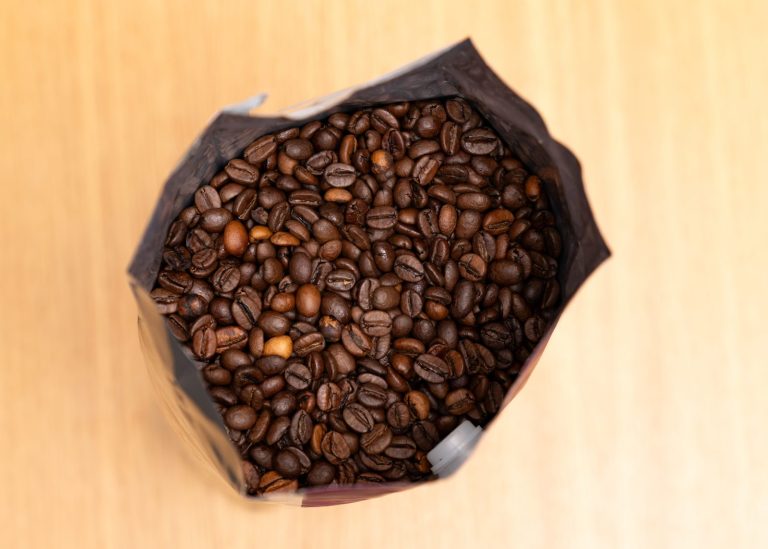
- 100% Arabica: lighter, smoother, more sweetness and less acidity.
- Arabica & Robusta blends: fuller body, longer finish, ideal for iced coffee since espresso is diluted with ice.
Going deeper, traceability matters:
- Brazilian coffees often taste chocolatey.
- Ethiopian beans are fruitier.
- Colombian coffees lean floral.
Processing methods also play a role. Innovative fermentation techniques mean today’s Brazilian coffee may taste nothing like the classic profile. This has even sparked debate in the industry: should coffee showcase terroir like wine, or embrace bold experimentation?
Grind, Brew Time & Daily Rituals
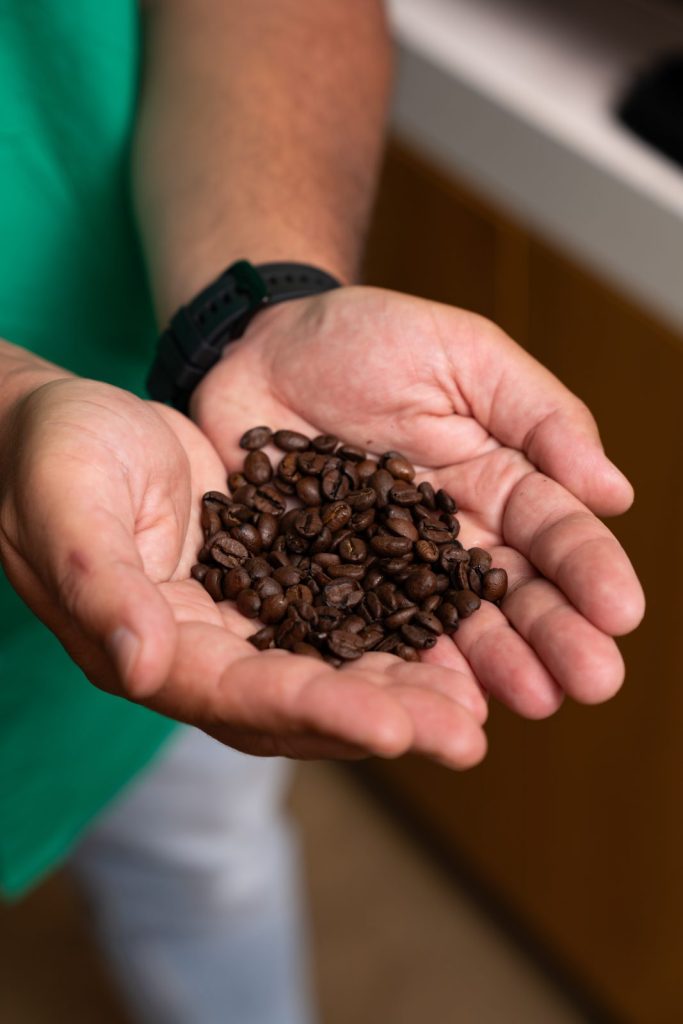
A grinder is non-negotiable. Freshly ground beans preserve flavor, while grind size determines extraction time and taste.
Brewing at home doesn’t take long — just a few minutes once your machine is heated. And for Koremtas, coffee is more than caffeine:
- Morning: something chocolatey and comforting.
- Afternoon: fruitier, more adventurous flavors.
Water & Temperature
Two decisive factors:
- Dark roasts / Robusta-heavy blends: need slightly cooler water (easier to extract).
- Light roasts / specialty beans: require hotter water to balance acidity and release flavors.
Training Your Palate
Start simply: read the tasting notes on your coffee bag and try to detect them. Over time, your palate builds a “flavor memory.” Coffee tasting workshops (often called sensory training) are also a great option.
Milk, Sugar & Personal Preference
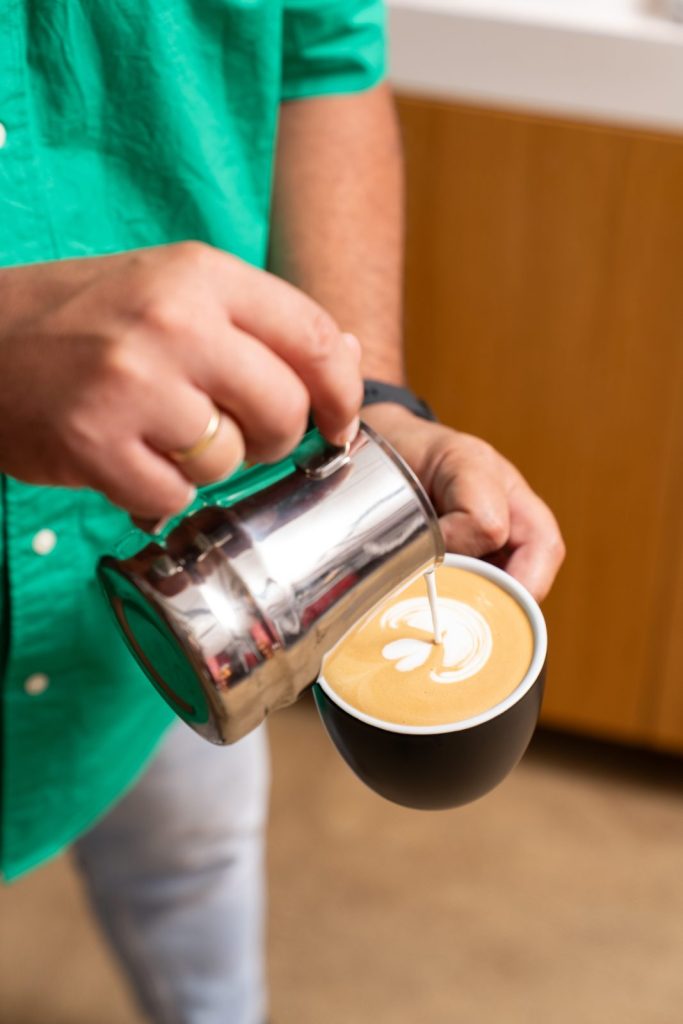
Purists argue coffee should be tasted black, but Koremtas is pragmatic:
“Professionals need to try it straight to understand what they’re serving. Consumers should drink it however they enjoy it.”
Final Advice for Beginners
“Take it step by step, don’t rush, and don’t overspend at first. Start with a decent home machine, learn the basics, and grow from there.”
Beyond the Cup
Coffee isn’t just for drinking:
- Desserts: tiramisu is the classic, but many sweets benefit from coffee flavor.
- Cocktails: espresso martinis remain a hit.
- Marinades: though less common, coffee can add complexity to savory dishes.