
 Μake us preferred on Google
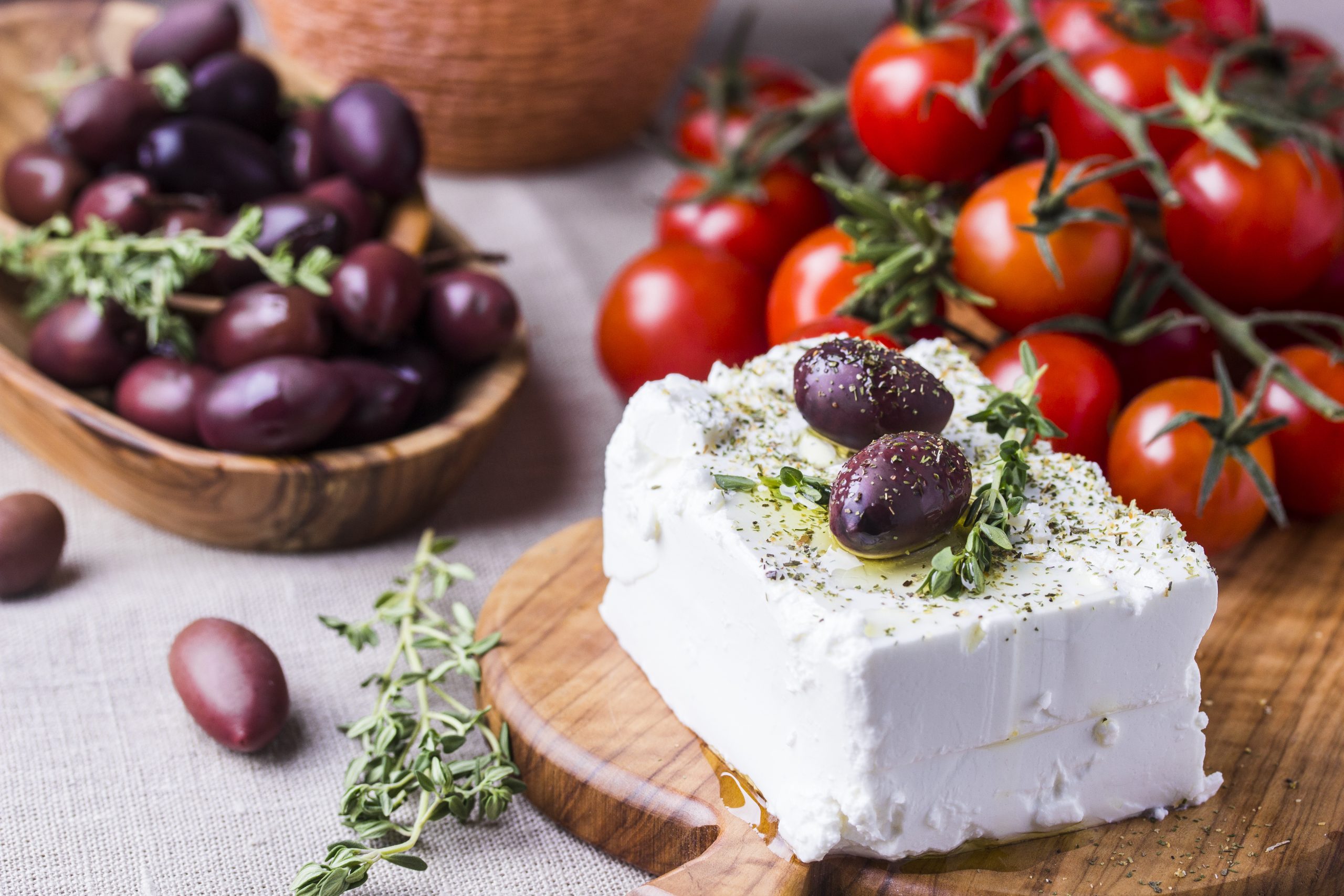
 The battle to protect Greek feta as a Protected Designation of Origin (PDO) product has moved far beyond Europe, with Greece scoring victories in some markets but still facing strong opposition in others.
Earlier this year, the Association of Greek Dairy Producers (SEVGAP) announced a win in Chile, where feta gained PDO recognition despite challenges. The case highlighted the resistance Greece faces globally, especially from the U.S.-based Consortium for Common Food Names (CCFN), which actively opposes the exclusive recognition of European PDO products. Although the CCFN appealed the decision in Chile, it ultimately lost.
Similar success was achieved in Singapore, an important transit hub for Asian trade. But the global fight is far from over. In major markets such as Australia, where a strong local dairy industry wields political influence, efforts to secure feta’s protection remain complicated.
The situation in Canada is also problematic. Under the EU–Canada trade agreement, domestic producers who were already making “Canadian feta” are allowed to continue, creating loopholes that undermine the authenticity of the product. Critics warn this allows multinational companies to exploit the market, diluting feta’s value and potentially damaging its reputation.
Industry voices argue that while Greek diplomacy supports these efforts, the government’s approach has been too cautious compared to SEVGAP’s push for a more aggressive global strategy. They stress that Greece must act decisively in every national market where feta can gain protection, especially as international demand for the cheese grows.
The greatest challenge, however, comes from outside Europe. The U.S.-based CCFN and allied multinational dairy groups, including some from France and Denmark, are actively working against feta’s PDO recognition, attempting to keep the name generic.
With feta enjoying soaring commercial success in Europe and beyond, the stakes are high. For Greece, the race to secure PDO status worldwide is not only about protecting a traditional product but also about defending a powerful symbol of its culinary heritage.