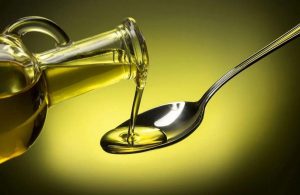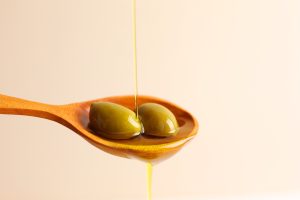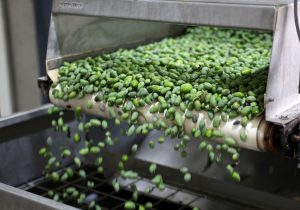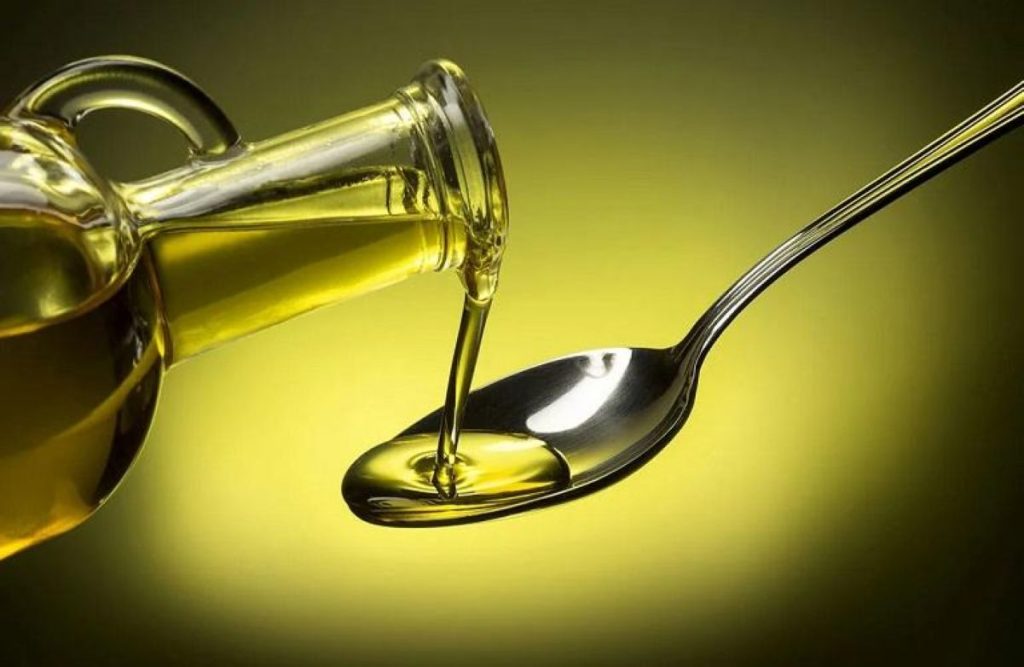
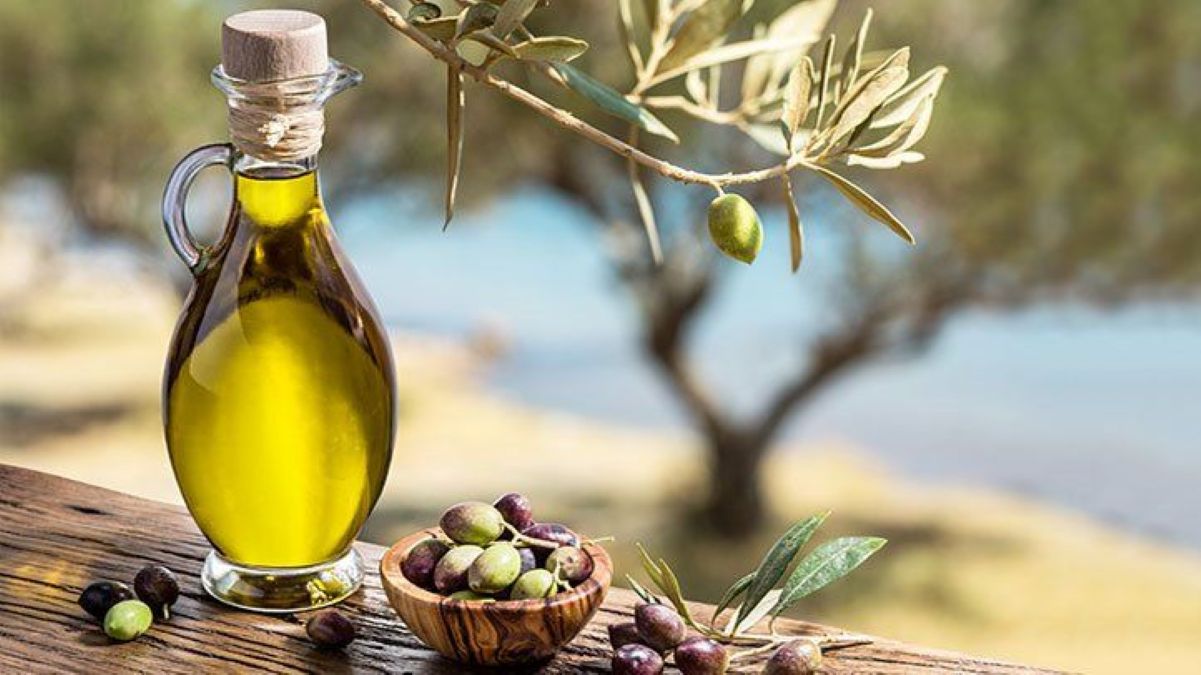
Olive oil, long celebrated as the “liquid gold” of the Mediterranean diet, is once again under threat. In Spain — the source of nearly half the world’s production — growers warn of a “permanent crisis.” Following two disappointing harvests, hopes of recovery have been dashed by relentless drought and prolonged heat.
Spring rains had briefly raised expectations for a strong season, with yields projected at around 1.45 million tons. But autumn brought a harsher reality: parched soils, scarce rainfall, and temperatures that refuse to relent. “Summers now last six months,” cautioned Dcoop, the world’s largest cooperative, noting that olive trees no longer have time to recover.
Falling yields, rising concerns
The UPA farmers’ union forecasts output between 1.2 and 1.3 million tons, while the COAG warns that without immediate rainfall, losses could reach 40%. Industry voices are more restrained, suggesting at best a repeat of last year’s modest harvest.
This fragile outlook is already shaping markets. After extra virgin olive oil surged past 8 euros per kilo in 2024, prices dropped to 3.20 euros earlier this year. But since September, renewed fears over supply and strong global demand — expected to hit 3 million tons — have pushed prices back above 4 euros. For Spanish consumers, olive oil, once a kitchen staple, is increasingly a luxury.
Trade tensions and global demand
The 15% U.S. tariffs imposed in August have not crippled Spanish exports, in part because they apply to other Mediterranean producers as well. In fact, Spain’s shipments to the U.S. rose 25% in the first half of 2025, bolstered by pre-tariff deliveries.
Yet beyond trade disputes, the central challenge is climate change. Longer, drier summers and rainfall that misses critical periods are pushing traditional cultivation models to the brink. The risk is not only reduced production but also a reshaping of the global olive-growing map.
Adapt or decline
Spain’s olive oil industry, a global leader, now faces stark choices: invest in new farming techniques, modern irrigation, biodiversity protection, and research into hardier varieties — or risk watching olive oil slip from everyday essential to rarefied luxury.