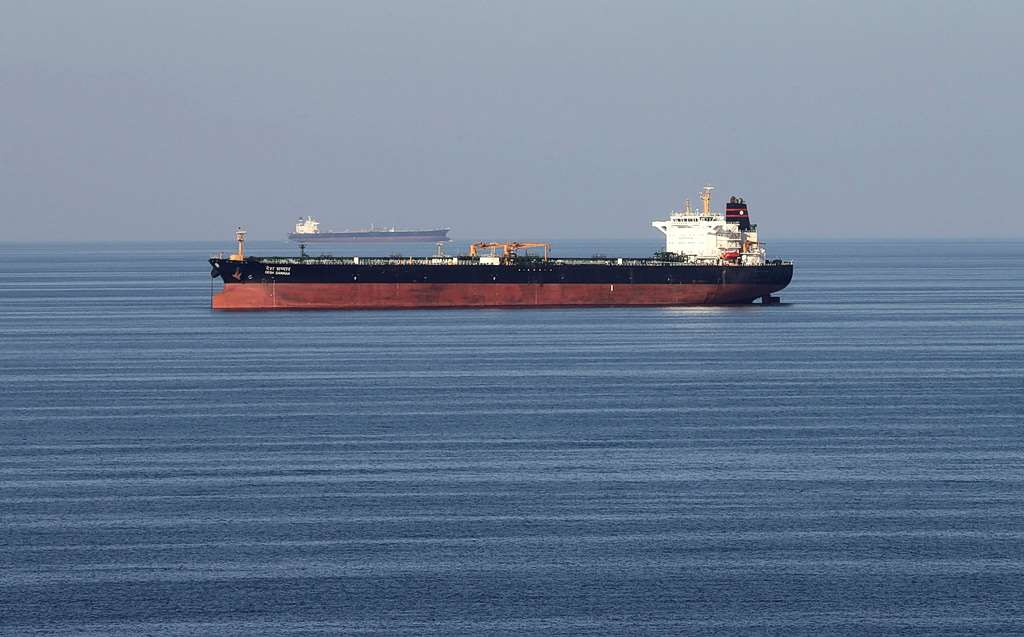
In the morning of 28 February 2026, Middle East time(s), Israel launched another attack on Iran, with the full support of the US. In a video message released in the middle of his night, President Trump explained the rationale for this preemptive strike, namely to avert an imminent threat to the US by obliterating Iran’s weaponry and effecting regime change. “Operation Epic Fury” started by targeting the offices of Iran’s leaders, including Supreme Leader Khamenei and President Pezeshkian, along with other locations around the country. In its first retaliatory strikes, Iranian missiles were launched at Israel and at US bases in the Arab Gulf countries.
In these early hours, it is unclear where all this may lead, when and how this new Middle East war may end. Some things are quite clear already, though, and call for action from the rest of the world, those countries and people who realize the potential for regional and broader destabilization that this war has.
There is no legal basis or justification for the attack on Iran, not least because of the ongoing negotiations between Iran and the US, through the mediation of Oman, the Foreign Minister of which had publicly reported progress the previous day. The combined insult of upending diplomacy and of unprovokedly attacking in the Muslim holy month of Ramadan, and on the Jewish Sabbath, is added to the injury of actually shooting to kill the leadership of the other side that one is negotiating with. Further “insults” could be identified, and they are not light ones, like Israel and the US committing aggression in contravention of the UN Charter’s rules and, in the case of President Trump, starting a war without the approval of the US Congress and against repeated promises to his US followers of not getting entangled in new adventures abroad.
There is a clear attempt by the attacking powers to incite civil war in Iran, not only for regime change but to ensure that the country is weakened, fragmented and at the merci of foreign political and economic interests. There is a lot of criticism that can be and has been leveled at the leadership of the Islamic Republic for the treatment of its people, especially those dissenting from the imposed strict religious ideology. It is a fight that must be fought internally, hopefully with dialogue and peaceful public pressure. Eliminating moderate elements of the current leadership, like President Pezeshkian, will certainly not help bring about peaceful and durable change. This may actually be an opportunity for the conservative leadership to open up and promise reforms and inclusion, to counter Mr. Trump’s promises of immunity to those in the Iranian military who lay down their weapons.
After the initial surprise, reactions started to come in from various quarters beyond those directly engaged in the new war. If one hoped for fresh and honest language, there was some on offer from Spanish Prime Minister Sanchez, who criticized the unilateral military action and called for a return to diplomacy. Back to reality and its unashamed double standards with the statements of the EU High Representative and the UK Prime Minister, who basically blamed Iran for not capitulating to US and Israeli demands, and pointing to the internal Iranian political turmoil as an excuse for external unilateral intervention. Following a call with the Iranian Foreign Minister, the Russian Foreign Minister condemned the attack, conveniently not making any connection to Russia’s own acts of aggression elsewhere. The UN Security Council was expected to meet later in the day to consider the situation, but no decision should be expected, in view of the US veto. (There might be a decision by the newly-established Board of Peace, though, in support of its life-long Chairman, Peacemaker-in-Chief and Nobel Peace Prize aspirant, the one and only D.J. Trump…)
In an initial, quick conclusion for the purposes of this article, let’s not forget that Iran is a big country, with a big population and a millennia-lasting civilization. It may not be going through its best of times, during the Islamic Republic and well before it, but cannot be discounted or played around easily. Israel also goes back millennia, as a people, religion and civilization, and has demonstrated remarkable resilience and revival power against many odds. In-between Iran and Israel stand several Arab states that represent another long-lasting civilization, which has seen its heydays in history. It is not a given that one or two of the three civilizations need to prevail, take over the region and eliminate the other(s), although elimination of the other(s) appears in the rhetoric and may even exist as intent in the sickest minds of all three.
One hopes that there is a sane majority on all sides in the Middle East that can speak authoritatively and bring the respective leaderships to their senses. The same for the much younger US, which combines elements of many civilizations and is composed of many diasporas with long memories. At some point, this melting pot seemed like it was leading the world, through its example and energy, towards better days in terms of social conditions and well-being. It is for a while now, though, that this 250-year-old republic has been transformed into a key source of major instability and corruptor of bodies, minds and souls, through its unscrupulous pursuit of economic and geopolitical gain.
We may well be one step before one of the parties in this complex situation makes an epic miscalculation that could set the region and humanity on fire. The call should be loud and clear by whoever can see and speak clearly: Step back now and submit to the common good, silence the arms and seek accommodation through diplomacy, or else it will be… the end.