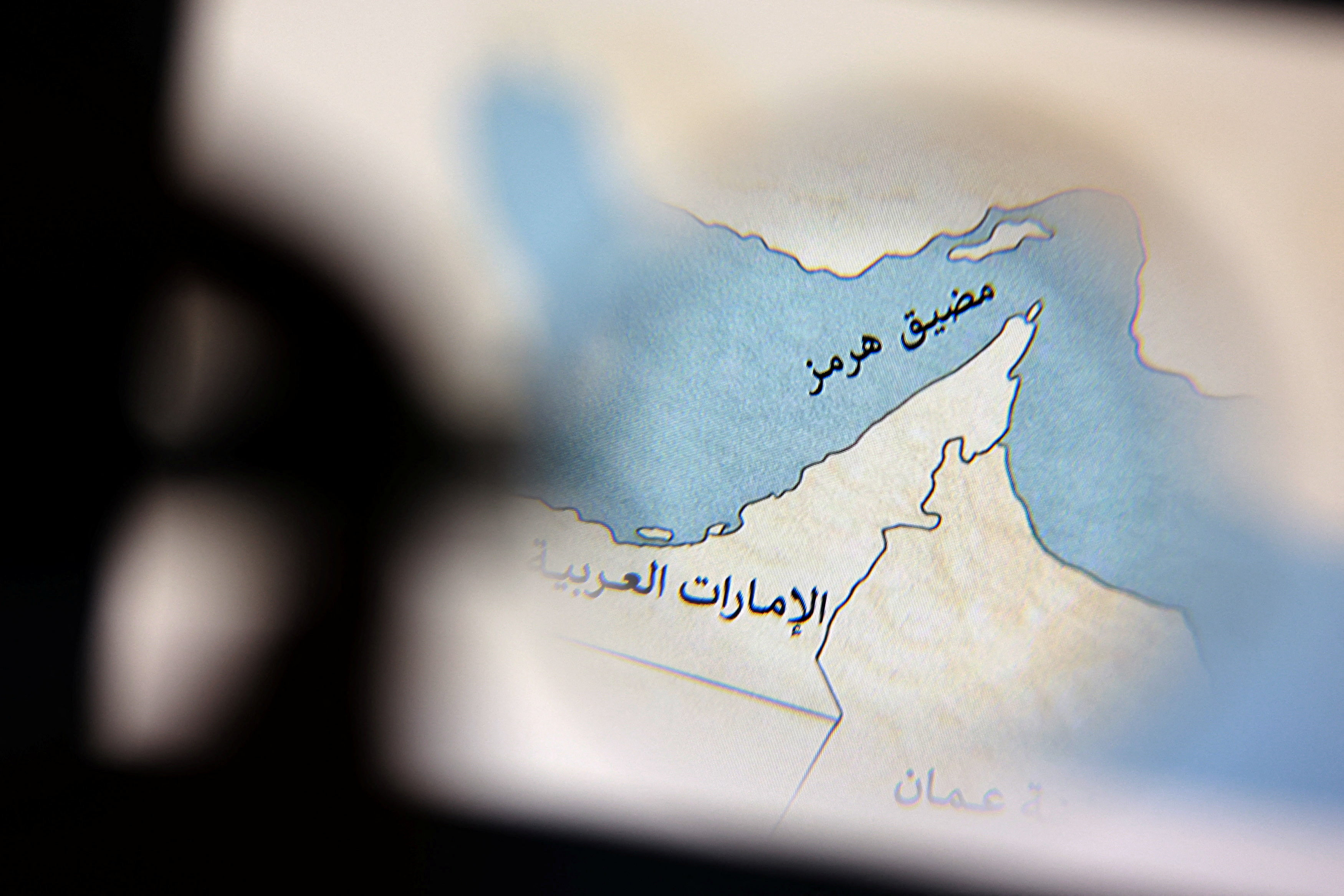
Iran did not begin by sealing the strait. It began by shaping it. Screening vessels. Sequencing passage. Defining who is “non hostile”. Turning a legal waterway into a managed corridor. The result is not a blockade. It is selective flow under sovereign discretion. Predictability collapses. Dependency rises. Recent maritime reporting shows the pattern. A critical environment. Incidents accumulating. Traffic collapsing well below normal volumes before formal closure.
The Bosphorus is not Hormuz. It moves in the same direction, in a different language.
The 1936 Montreux Convention guarantees freedom of passage. That is the formal layer. Operations sit in Ankara. For merchant shipping, the regime holds under strain. For warships, Articles 20 and 21 leave decisive discretion to Turkey when belligerent or under imminent threat. Article 24 placed the former international commission in Turkish hands. Hormuz is coercion by force. The Bosphorus becomes coercion by administration.
Traffic. Pilotage. Daylight windows. Sequencing. Separation. Pre-notice. Tug requirements. Suspension. Prioritisation.
None of this violates Montreux. It defines flow, timing and cost.
Not a gap. The system itself.
Turkey has not challenged Montreux. It has built power at its edge.
Montreux is a 1936 instrument governing a 2026 traffic system. Written for an earlier maritime age. The Bosphorus now carries modern volumes and hulls, hazardous cargo at scale and supply chains with no tolerance for delay. In 2025 the straits handled 40,172 ship movements. Pilotage covered 61.3 per cent. Istanbul traffic carried 422.8 million tonnes, including 203.7 million tonnes of hazardous cargo. The convention is not obsolete. It is older than the reality now managed through it.
Ankara has established a doctrine of control over the straits. Transit windows narrow. Large vessels move into controlled slots. Insurance requirements halt traffic. Fees recalibrate repeatedly, multiplying cost within an intact legal structure. Vessel Traffic Services no longer monitor. They sequence.
This is not drift. It is design.
This model is operational.
Reversal is no longer guaranteed.
Not safety management. Throughput control.
Montreux makes pilotage and towage optional. The modern system works around it. Large vessels pre-notify. Some move only in daylight. Others depend on pilots, tugs or thresholds. Certain flows receive priority. The legal register remains Montreux. The practical register becomes selectivity.
There is no ambiguity.
Under Recep Tayyip Erdogan, the legal architecture of the straits is openly politicised. Kanal Istanbul was never about infrastructure alone. It questioned whether Montreux is final or one layer in a broader sovereign design. The admirals affair confirmed it. Control of the straits is not a technical file. It is leverage.
Turkey does not need to rewrite Montreux. It operates at its limits.
Europe treats the Bosphorus as neutral infrastructure. It is not. It is a chokepoint under a state that converts geography into leverage.
The pattern is established. Syria. Libya. The Eastern Mediterranean. Access granted, shaped, delayed or conditioned in line with political objectives, under deniability.
The straits follow the same logic. Europe refuses to internalise it.
Dependence on a chokepoint is defined by control, not law.
That control sits in Ankara. Europe is paying for it.
This is not a future risk. It is a present condition.
Transit fees, infrastructure and trade flows finance the system that constrains them. Every queue. Every reroute. Every premium increase. Not anomalies. Signals.
No dramatic breach is required.
A Bosphorus crisis will not begin with a declaration. It begins with delays.
One way traffic extends. Hours become days. Pilotage tightens. Hazard windows shrink. Queues form. Insurance is contested. Priority shifts.
Nothing illegal. Everything consequential.
By the time legal debate begins, the damage is absorbed.
The line between use and breach is clear. “Friendly ships only”, discriminatory charges, political authorisation or extra tolling would breach Montreux. By the time that line is crossed, Europe will have absorbed the damage.
The comparison with Hormuz is precise.
Iran filters through force.
Turkey filters through administration.
Different methods. Identical outcome. Selective flow. Rising cost. Dependence.
The Black Sea has no alternative maritime exit. That is structure.
When the Bosphorus tightens, impact propagates immediately.
Grain distorts. Energy shifts. Refining adjusts. Insurance reprices. Industry compresses. Supply fractures.
Not regional. Continental.
Europe has responded, but not at scale.
The response is underway. The Danube became critical after 2022. Ukraine’s Danube ports moved 30 million tonnes in 2023. The combined corridor handled 97.2 million tonnes in 2024. Solidarity Lanes moved nearly 209 million tonnes since 2022, including almost 90 million tonnes of grain. The Danube expands. The corridor through Greece emerges as a partial substitute linking LNG, pipelines and northbound distribution. In March 2026, Danube contingency planning tightened. Corridor tariffs aligned. This is not isolated. It is adaptation to a strait that remains open in law and fails in practice.
Not solutions. Buffers.
They reduce exposure. They do not replace the straits.
No bypass exists. Only risk shift.
The core problem remains. Europe depends on a single controlled passage. That passage is no longer neutral.
European planning reflects this.
What Europe does not say publicly, it has already internalised.
The Constantinople Protocol already exists as consensus. Europe plans for a Bosphorus open in law and failing in practice. Corridors, storage, insurance and flow reflect it. It is funded. Sequenced. Absorbed. No one names it. Everyone plans by it. Ankara did not react to this file. It made it necessary.
Europe is not preparing for a Bosphorus crisis. It is inside one.
Policy can no longer move incrementally. It must move at scale.
The Danube is primary. Rail must be redesigned. Storage expanded. Insurance systematised. Southeastern Europe needs more storage, buffers, grain capacity, faster customs and integrated ports.
The Bosphorus must be reclassified. Not a corridor. A pressure point.
Turkey must be addressed accordingly. Use of the straits as leverage is no longer theoretical. It is embedded. European policy must reflect it.
Not escalation. Recognition.
Europe avoids this conclusion out of caution. That caution is producing the outcome it seeks to prevent.
Dependence without acknowledgment is not stability. It is exposure.
The Bosphorus does not need to close to constrain. It only needs to be managed.
Ankara understands this. It built the system. It tested it. It is ready.
The playbook exists. The only question is whether Europe will recognise it before it is executed.
The lesson from Hormuz is not that chokepoints can be shut.
It is that coercion begins long before it is declared.
Control renders closure unnecessary.