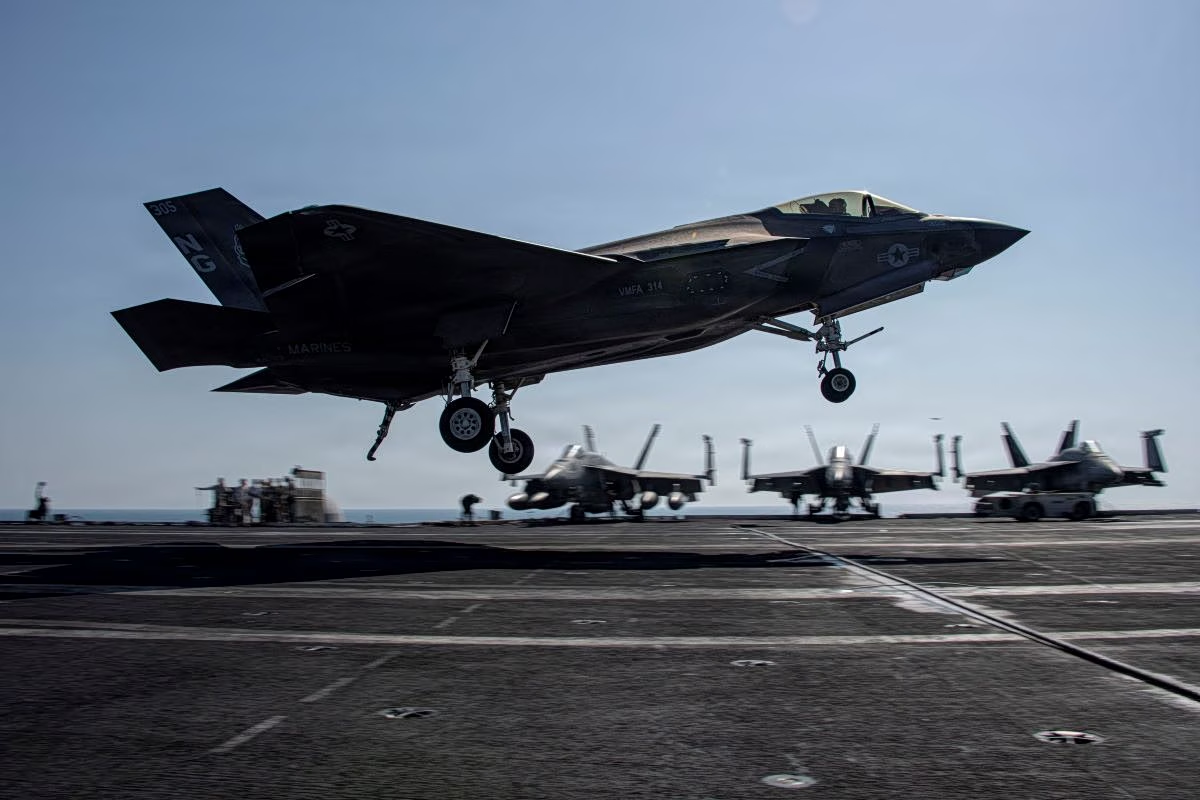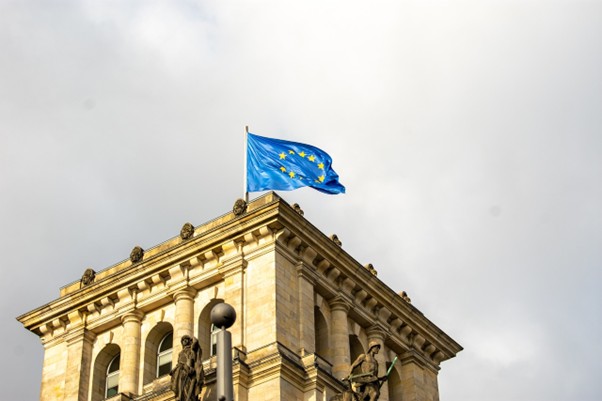
Russia’s unprovoked invasion of Ukraine in 2022 shattered Europe’s post-Cold War security assumptions. The EU and its regional partners, most notably the UK, have deepened bilateral cooperation within NATO as well as the G7 and several international fora (Schwarzer, 2024). The war has highlighted the role of the US as a security guarantor for Europe, specifically in the context of NATO, with the US claiming responsibility for almost 70% of its capabilities (CSIS, 2018), ranging from net military spending, ISR operations, and the infamous nuclear umbrella. In response, EU member states have increased their defence expenditure by 30% since the invasion, reaching €326 billion in 2024, the highest ever, but still fragmented (European Council, 2024). The 2024 US election aftermath and the uncertainty surrounding US engagement make Europe’s overreliance risky and call for a step up in its defence.
All in all, strategic autonomy is not about decoupling from NATO, but ensuring Europe can act when the US can’t or won’t.
The main issue is the “Dependency Problem”, since Europe’s architecture still depends heavily on U.S. capabilities. Notable examples are the Alliance’s operations in Libya in 2011, which exposed the EU’s capability gaps, highlighting its reliance on U.S. ISR, refuelling, logistics, and operational support, proving the vitality of U.S. involvement (Sheridan, 2024). Furthermore, in the case of the war in Ukraine, the U.S. provides the majority of HIMARS, Patriot Systems, long-range missiles, military vehicles, and intelligence (Masters & Merrow, 2025). Additionally, regarding the European Eastern Flank Security, the U.S. acts as a security provider with its deployment forces in Poland and the Baltic States (US Army, 2025). The dependency outlined above is backed by actual figures, since the U.S. defence budget in 2024 was $849.8 billion (US DoD, 2024), more than double that of the EU. Moreover, the U.S. aid to Ukraine totals $184 billion (US DoS, 2025), while the European Aid totals €180 billion (EEAS, 2024); however, the U.S focuses mainly on military aid, while the EU on a mix of economic and military measures.
The main point is reaching autonomy while reducing the asymmetry rather than replacing the U.S.
Source: Pixabay
Turning to current EU Efforts towards autonomy, defence integration has advanced, but progress is uneven. PESCO includes 75 collaborative projects currently under development, covering areas such as Training, Land, Air, Maritime, Cyber, and Strategic Enablers, focusing on military mobility and cutting border-crossing times (PESCO, 2025). The European Defence Fund, established in 2021, allocates €8 billion for the period 2021-2027 to R&D and joint procurement projects (European Commission, 2025), though this remains modest compared to the U.S. DoD annual R&D budget, which surpasses $149 billion (Congress, 2025). Additionally, the EU Rapid Deployment Capacity became operational, allowing the deployment of up to 5000 troops for crisis intervention (EEAS, 2025). The recent ReArm Plan/Readiness 2030 and its first pillar, the SAFE instrument, addresses the urgent need to reduce strategic dependencies, in particular on non-EU suppliers such as the United States, and to strengthen the European Defence Technological and Industrial Base (EDTIB). With an ambitious investment target of €800 billion, ReArm includes multiple pillars, including financial instruments, policy reforms and international cooperation (Consilium, 2025).
The steps towards the EU’s strategic autonomy are framed in the latest Strategic Compass in 2022, built around 4 comprehensive pillars: “Act, Secure, Invest Partner”, providing a roadmap for enhancing Europe’s self-defence capabilities, while complementing NATO.
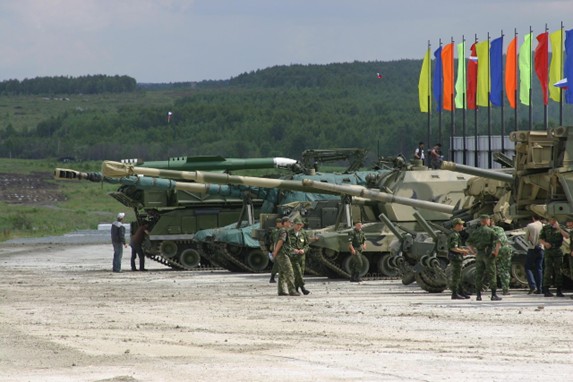
The main obstacles in the process lie in the political fragmentation and defence industrial inefficiencies, which undermine autonomy. Clear evidence lies in the divergence in threat perception and the ties with NATO. France advocates for EU autonomy, even independently from NATO when needed, while Germany stresses complementarity with NATO. Mediterranean states back greater EU defence cooperation, whereas Poland and the Baltic States are sceptical towards EU-only defence and remain NATO-oriented, as is the UK, still relevant as a non-EU partner in security architecture. Nordic countries, especially Sweden and Finland, following their NATO accession, favour EU-NATO synergy. Meanwhile, on the Eastern Flank, some states view their relationship with EU defence initiatives and NATO opportunistically (Zandee et al., 2020). Industrial fragmentation further undermines efficiency: the EU fields over 17 tank models (Navarra, 2024) compared to 1 U.S. model (Abrams) (Tank Encyclopedia, 2025), and nearly 30 types of naval frigates (Naval Analyses, 2018), while the U.S. has a single digit number (Military Wiki, 2019). Almost 80% of defence acquisitions are national and not joint (EDA, 2022), limiting interoperability, all while member states are reluctant to pool forces under the fear of undermining NATO. This diversity has become a contentious issue in the pursuit of standardization of the Alliance militaries.
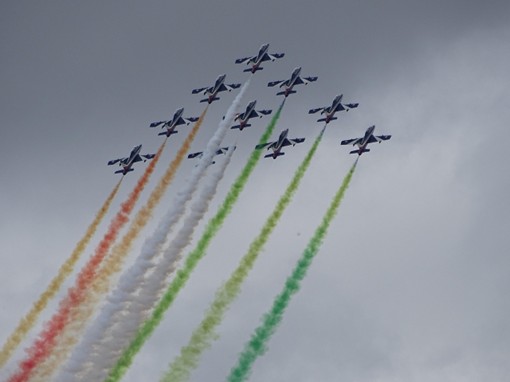
Looking forward, Europe must pursue autonomy through complementarity, not rivalry, with NATO. Policies should include joint procurement and standardization, where EDF should scale up, reducing wasteful duplication.
Source: Pixabay
Additionally, a permanent structured EU-NATO coordination ought to be established, institutionalizing a hybrid response, military mobility, and infrastructure protection, potentially in the context of a European Caucus/Pillar within NATO. Prioritizing capabilities in ISR, cyber, airlift, missile defence, ammunition stockpiles, and energy resilience is vital, as gaps remain, such as the delayed ammunition deliveries to Ukraine in 2023-2024 (Reuters, 2023). The EU must also lead in the Balkans, the Sahel, the Mediterranean and the Black Sea, reasserting leadership in its neighborhood and beyond. European Strategic Autonomy should be framed as resilience and burden-sharing, in a time requiring a shift in the political narrative, ensuring that Europe can act decisively and independently, while still strengthening transatlantic ties.
In conclusion, strategic autonomy is both feasible and necessary; Europe has the resources, but lacks integration and political will. Several proposals exist, from a European Pillar within NATO to a European Security Council, which provide concrete paths forward, yet Europe must act swiftly and decisively. Recent developments underline the stakes, from the meetings in Alaska and Washington seeking resolution in Ukraine, to the ongoing crises in the Middle East, Europe cannot remain indifferent. Europe must also overcome internal divisions, fostering cohesion among member states to act with a unified voice.
Ultimately, the Hour of Europe is the Hour of Responsibility: to defend itself, to support its partners, and to strengthen the transatlantic bond through capability, not dependence. This includes strengthening energy independence and resilience against hybrid threats, ensuring Europe’s security and stability under all forms of pressure. Europe’s future security, resilience, and credibility depend on its ability to seize this moment.
*Sotiris Anastasopoulos is a student researcher at the Institute of European Integration and Policy of the UoA. He is an active member of YCDF and AEIA and currently serves as a European Climate Pact Ambassador.
This opinion piece was selected to be published within the framework of To BHMA International Edition’s NextGen Corner, a platform for upcoming voices to share their views on the defining issues of our time.