Bulgaria is the only EU member where Ankara can influence Friday sermons and coalition negotiations in the same week. Sofia and Brussels treated this as a Balkan detail. It is not. It is hybrid influence inside the Union – religious, political, energy and commercial channels forming one axis of dependency, with Bulgaria’s Turkish minority as contested ground. A structural triangle reinforces this: Sofia fears looking nationalist, Brussels fears provoking Erdoğan, Ankara fears losing influence.
Around 9% of Bulgaria’s citizens are ethnic Turks, concentrated in Kardzhali and Razgrad. Their presence predates the Bulgarian state and was shaped by the 1980s Bulgarisation campaign and the mass exodus to Turkey. After 1989, the “ethnic model” sought stability: DPS became the primary minority vehicle and a frequent coalition partner. What once looked like success became a vulnerability as Bulgaria outsourced minority governance to an ethnic party at home and a state across the border. A state that once imposed Bulgarisation now hesitates to regulate foreign religious influence.
Ankara frames Bulgaria’s Turks as part of a wider “Turkish world”. Turkish state media describe Bulgaria as “former Ottoman land with a large Turkish minority”, echoing Moscow’s “compatriots abroad”. Russia used passports, media and covert networks to justify force; Turkey uses cultural institutions, religious bureaucracy and political messaging. The method is similar; the theatre this time is European.
Religion is the main pillar. Since the late 1990s, the Diyanet has funded schools, mosques and curricula in Bulgaria through the Chief Muftiate. Turkish academic literature defines Diyanet as a foreign-policy instrument. In many regions, Islam is taught as “Turkish Islam”, and Pomaks – Bulgarian-speaking Muslims but not ethnic Turks – report erosion of local identity and the disappearance of an autonomous religious “voice” under a centralized framework. For Pomaks this means cultural dilution and declining autonomy.
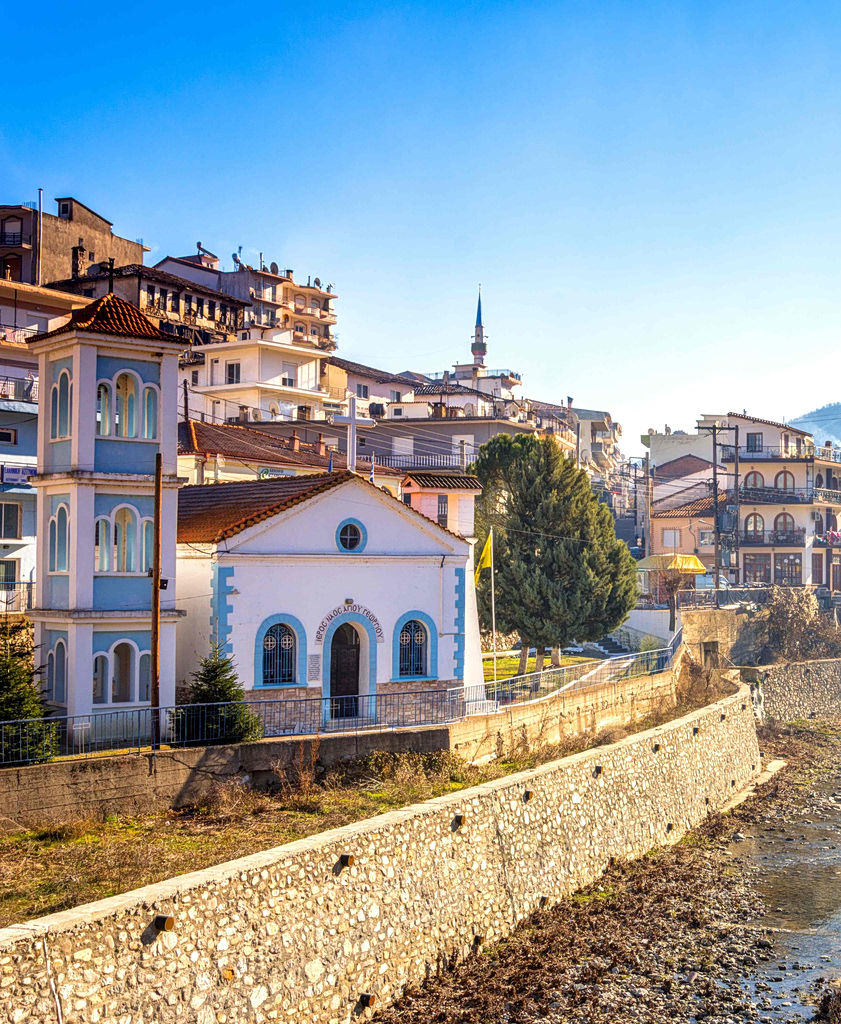
File photo: A village in the Pomak-populated areas of extreme northeast Greece, Rhodope prefecture, in the province of Thrace, December 30, 2018.
Bulgaria has outsourced the religious life of an ethnic minority to a foreign bureaucracy. When imam funding became contentious, Sofia briefly froze transfers before resuming them once scrutiny faded. Religious freedom does not require outsourcing religious infrastructure to a foreign bureaucracy.
A comparison often made is to Arab citizens of Israel – a large minority shaped by history and geography. But Israel has never delegated its management to another capital. Courts, budgets, education and representation remain under Israeli institutions. Bulgaria, by contrast, allowed its religious infrastructure and political representation to be shaped by Ankara and a single intermediary party. Sovereignty cannot be subcontracted.
Greece’s extreme northeast province of Thrace (“western Thrace”, according to the Turkish narrative) shows another model.
Greece also has a historic Muslim minority that Turkey calls “Turkish”, yet Athens kept firm sovereign control: it appoints muftis, regulates foreign funding, oversees curricula and recognizes only the Lausanne-defined term of “Muslim minority”, which includes Pomaks and Muslim Roma. Critics note that this approach has sometimes been heavy-handed, yet it has prevented the emergence of an externally guided intermediary with the leverage seen in Bulgaria. Athens prevents any intermediary from monopolizing minority representation. Scarred by its assimilationist past, Sofia chose the opposite – avoiding clear rules and consolidating representation in one ethnic party. The result is greater vulnerability.
The political pillar mirrors the religious one. DPS remains a disciplined party, a hinge in fragmented parliaments. Though presenting itself as liberal and pro-European, it channels Turkish state actors and oligarchs. Since 2024, DPS has split between the Dogan and Peevski factions – the latter under US and UK sanctions. Both clear electoral thresholds; both are decisive; and Ankara cultivates influence in both.
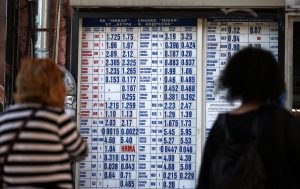
Economically, the Bulgaria-Turkey relationship is deep. Bilateral trade reached €7.7 billion in 2024, with exports to Turkey forming nearly 7% of Bulgaria’s total. Turkish companies see Bulgaria as a platform for EU access. But energy exposes deeper dependency. The 13-year Bulgargaz–Botas LNG deal, framed as diversification from Russia, raised alarms: Bulgaria paid heavily for unused capacity, prosecutors opened an investigation, and analysts warned of losses reaching hundreds of millions. Turkish media stayed silent as Bulgarian experts warned LNG losses could reach hundreds of millions. Bulgaria left Russian pipelines only to enter long-term arrangements controlled by another non-EU state. EU debates on reducing reliance on Russia ignore that southern corridors are controlled by Ankara.
Taken together, Bulgaria resembles a corridor. Religion, politics, trade and energy run north–south, giving Ankara leverage. Bulgarian Turks stand at the centre as voters and intermediaries yet control none. An external power cultivates an intermediary to shape decisions while framing rebalancing as hostility.
Europe has seen versions of this before: Germany’s struggle to separate domestic Islam from DITIB; Dutch and Swedish investigations into foreign-funded imams and religious networks; Russia’s influence tools in neighboring states – from passport distribution to coordinated media operations and political intermediaries; and Lebanon’s paralysis under Hezbollah, backed by Tehran, which evolved from militia to political party, welfare structure and de facto security actor with leverage over state institutions.
Bulgaria is not Lebanon and DPS is not Hezbollah, but the structural logic is recognizable: when a foreign-backed intermediary becomes the primary bridge between a minority and the state, it accumulates influence that can constrain national decision-making.
For the EU, this cannot remain local. When a non-EU power shapes a member state’s religious institutions, party system and energy dependency, the Union’s sovereignty is at stake. Brussels has tools – Article 7, rule-of-law reporting and conditionality frameworks – but has used them mostly against internal illiberalism, not hybrid influence by an ally. Member states fear appearing nationalist at home and jeopardizing cooperation with Ankara on migration, security and energy.
A response requires naming Turkish influence directly, enforcing transparency for foreign religious and political funding, scrutinizing energy deals with non-EU monopolies and treating Bulgaria as a shared strategic responsibility – not a quiet corner on the EU map. Bulgaria can remain a corridor, or it can become a frontier – one where citizens, including its Turkish minority, rely on domestic institutions rather than foreign patrons. Hybrid influence is soft power until it hardens. Europe will have lost control of its own border.
Shay Gal is an expert in international politics, crisis management, and strategic communications. He advises governments and institutions worldwide on power relations, geopolitical strategy, and public diplomacy, focusing on how they shape policy and decision-making.