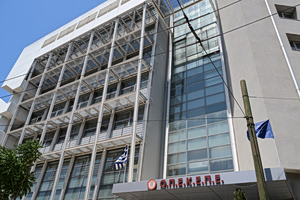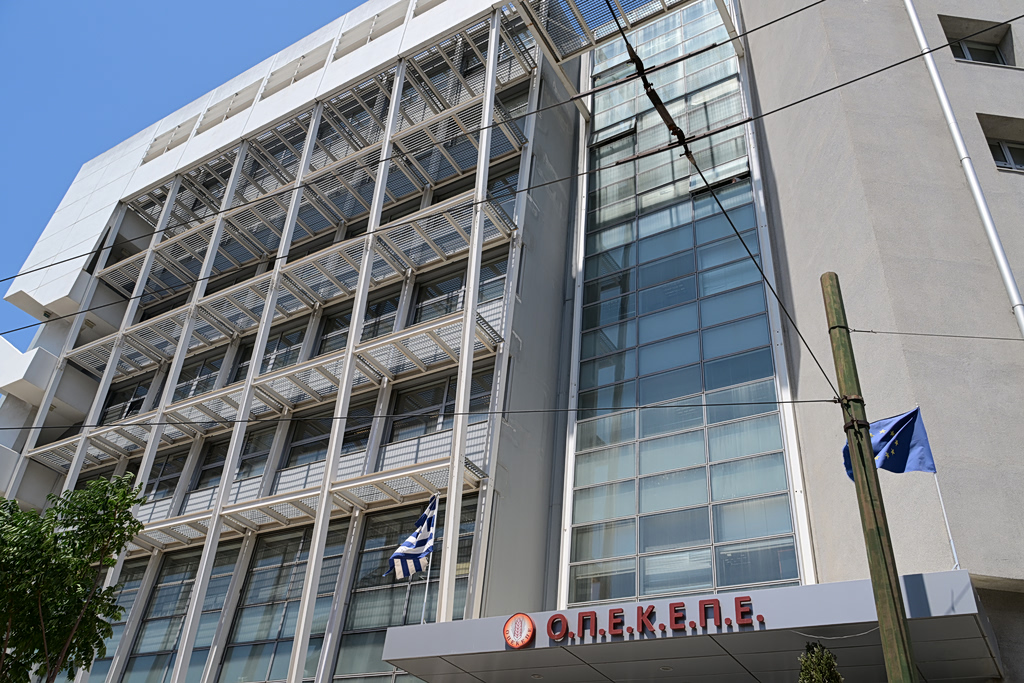
Greek political parties are on high alert following new developments in the agricultural subsidies fraud case – through OPEKEPE the Greek Payment Authority for EU agricultural subsidies, which has come under scrutiny over alleged irregularities. Fresh case files concerning individuals linked to the ruling party are expected to be submitted to Parliament within the day Friday. The evaluation of this material will determine the next political moves and potentially reshape the landscape.
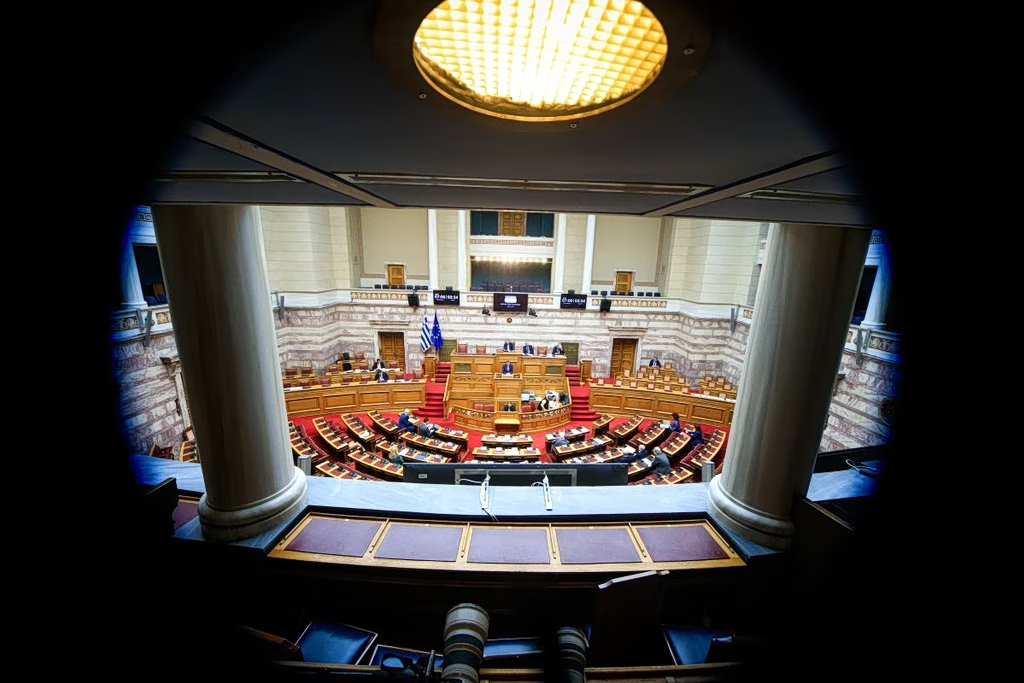
At 9 a.m. Friday, Parliament’s plenary session convenes to continue debate on a bill introduced by Labour Minister Kostis Hatzidakis, titled “A More Citizen–Friendly State”. At the same time, the case file concerning ministers and deputy ministers is expected to be formally announced, triggering Article 86 of the Greek Constitution, which governs the criminal liability of government officials. From that moment, MPs will theoretically gain access to the file.
For now, however, key details remain unclear, including the volume of the material and whether it will be made available digitally or in printed form. As in previous high-profile cases—including the Tempi train disaster investigation and earlier OPEKEPE-related files—the material will be housed in Room 168 on the second floor of Parliament.
A different procedure applies to current MPs from the ruling New Democracy party mentioned in the European Public Prosecutor’s file. The first to review the material will be the head of Parliament’s Ethics Committee, Giorgos Georgantas. Each MP concerned will then be given access to the sections that pertain to them. Notably, this file is expected to include a preliminary criminal assessment.
The committee chair’s responsibility includes reviewing statutes of limitations for any offenses described, whether misdemeanors or felonies. A meeting of the Ethics Committee may be scheduled during Holy Week (the week leading up to Greek Orthodox Easter). Once members are summoned, the case file will be distributed to political parties. The final decision on whether to lift parliamentary immunity for each MP will be made by the plenary, following a recommendation from the committee, through an open roll-call vote.
These developments are further destabilizing an already tense political environment, intensifying confrontation across party lines. While the government is carefully weighing its next steps, opposition parties are escalating their criticism.
Although a government reshuffle is widely expected—even if limited to targeted, “surgical” changes—government sources stress that the true extent of each politician’s involvement will only become clear once Parliament fully evaluates the case file.
The opposition, meanwhile, has launched a fierce attack. PASOK leader Nikos Androulakis delivered a sharp speech in Parliament, calling for elections. His party, headquartered on Harilaou Trikoupi Street (a reference often used to denote PASOK), has not yet finalized its next moves, but officials insist they will not remain passive in the wake of these developments.
“This is yet another corruption party by New Democracy and the Prime Minister’s office. Are you proud of this, gentlemen of New Democracy? Can you stand politically when we have a governing majority under investigation?” Androulakis said.
He concluded with a direct call for elections: “Instead of moving Greece forward, you are taking it backward—into decline and discredit. That’s why we need elections. Elections to bring change, perspective, respect for justice and human rights. Elections to end impunity. Elections are the democratic way for you and your practices to become a thing of the past.”
The main opposition party, SYRIZA, appears determined to push for a motion of no confidence against the government. Lacking the required number of MPs to table it alone, it has called on PASOK to join forces.
From the parliamentary podium, SYRIZA leader Sokratis Famellos reiterated his party’s stance: “We have long been clear about the need for elections. We have been clear about the need for this government to leave as soon as possible, so our country can be spared from a dangerous and corrupt administration—one we do not trust because it lacks any credibility.”
In equally strong terms, Dimitris Koutsoumpas, General Secretary of the Communist Party of Greece (KKE), said that “the list of decay is growing, and so are the government’s responsibilities.” He added that “the OPEKEPE scandal bears your government’s signature,” accusing the administration of hastily shutting down the parliamentary inquiry committee to avoid calling additional witnesses.