Amid a sharp increase in migrant arrivals from eastern Libya to Crete, Athens is seeking renewed commitments from Benghazi and the administration of Field Marshal Khalifa Haftar to uphold previously agreed measures aimed at curbing irregular migration.
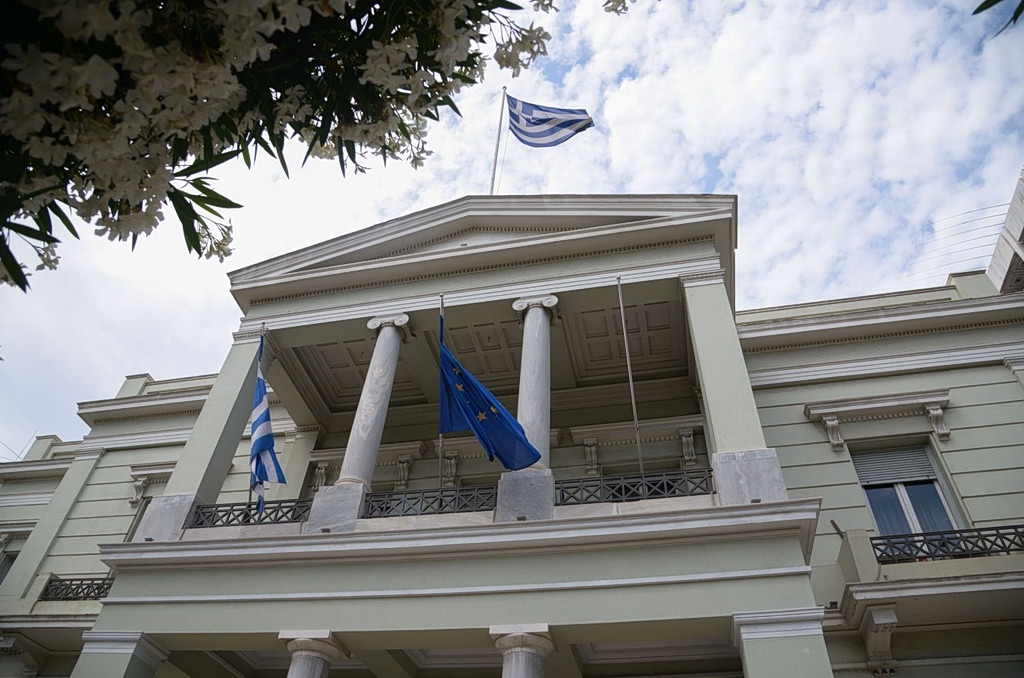
Against this backdrop, Saddam Haftar, Deputy Commander of the General Command of the Libyan National Army and son of the eastern Libyan strongman, paid an unexpected visit to Athens, on Monday, June 15. He held talks with Foreign Minister George Gerapetritis at the Ministry of Foreign Affairs and was later received by Prime Minister Kyriakos Mitsotakis at the Maximos Mansion.
Government sources stated that during his discussions with the prime minister, the two sides reaffirmed the historic ties between Greece and Libya and explored ways to deepen cooperation, particularly in the fields of trade, investment, and economic development.
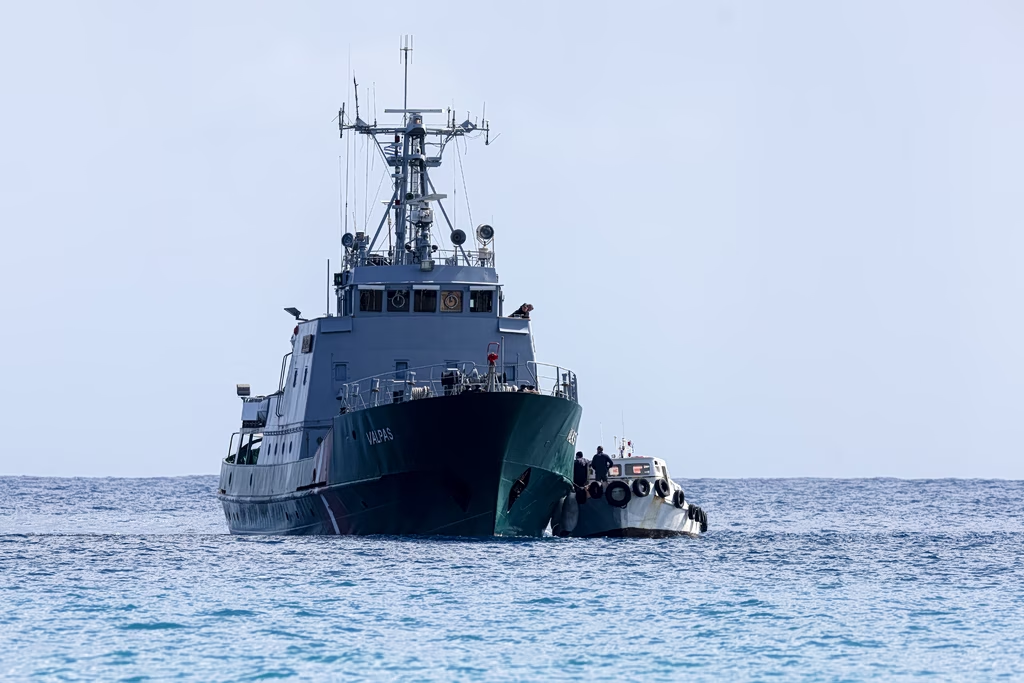
Behind the diplomatic language, however, lies a growing concern over migration. Just days after the European Union’s new Pact on Migration and Asylum came into force, arrivals from Libya’s eastern coastline to Greece have accelerated at an almost unchecked pace. More than 5,600 asylum seekers were rescued between the beginning of the year and May 2026, while nearly two incidents per day have been recorded on average over the past four weeks.
The scale of the challenge is underscored by the visit of Migration Minister Thanos Plevris to Crete on Tuesday. He is scheduled to inspect the reception facility in Agia and chair a coordination meeting with local authorities in the Chania region.
According to government officials, Mitsotakis and Haftar discussed what were described as “migration challenges,” as Athens moves urgently to prevent a further escalation in arrivals. Greek officials fear that continued increases could heighten tensions on Crete during the peak tourist season while reinforcing perceptions that the country’s borders are becoming increasingly difficult to control.
As part of this effort, Greece is pressing Benghazi to intensify and improve surveillance of the Libyan coastline, the main departure point for irregular migration routes across the Mediterranean. According to well-informed sources, both Mitsotakis and Gerapetritis conveyed their dissatisfaction to Haftar, reminding him that Greece continues to support eastern Libya through the training of its coast guard personnel and by helping secure European funding for the authorities aligned with the field marshal.
Haftar’s visit came only days after the second round of technical talks between Athens and Tripoli on the delimitation of an Exclusive Economic Zone (EEZ) and continental shelf boundaries. The Greek delegation was led by Deputy Foreign Minister Alexandra Papadopoulou.
Although the eastern Libyan administration lacks the international legitimacy to participate directly in those negotiations, diplomatic sources said Gerapetritis nevertheless emphasized to Haftar that Greece’s priority remains reaching an EEZ agreement with Libya as a neighboring state with opposite coastlines, in accordance with international maritime law and the principles enshrined in the United Nations Convention on the Law of the Sea (UNCLOS).
For Athens, preventing the ratification of the Turkish-Libyan maritime memorandum by Libya’s House of Representatives, based in the east, remains a strategic objective. While Gerapetritis has repeatedly argued that such a move would not alter the memorandum’s international legal standing, Greek officials acknowledge that ratification would nevertheless undermine Greek interests in the Eastern Mediterranean and further strengthen Turkey’s influence across Libya.
Diplomatic sources said the talks between Gerapetritis and Haftar reflected a shared understanding that both the geographical proximity of Greece and Libya and the increasingly volatile geopolitical environment make closer cooperation essential for promoting stability and security across the wider region.