Google Button Μake us preferred on Google

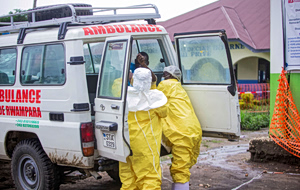
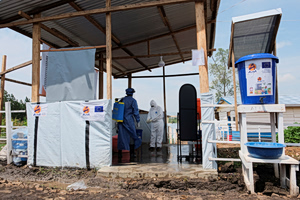
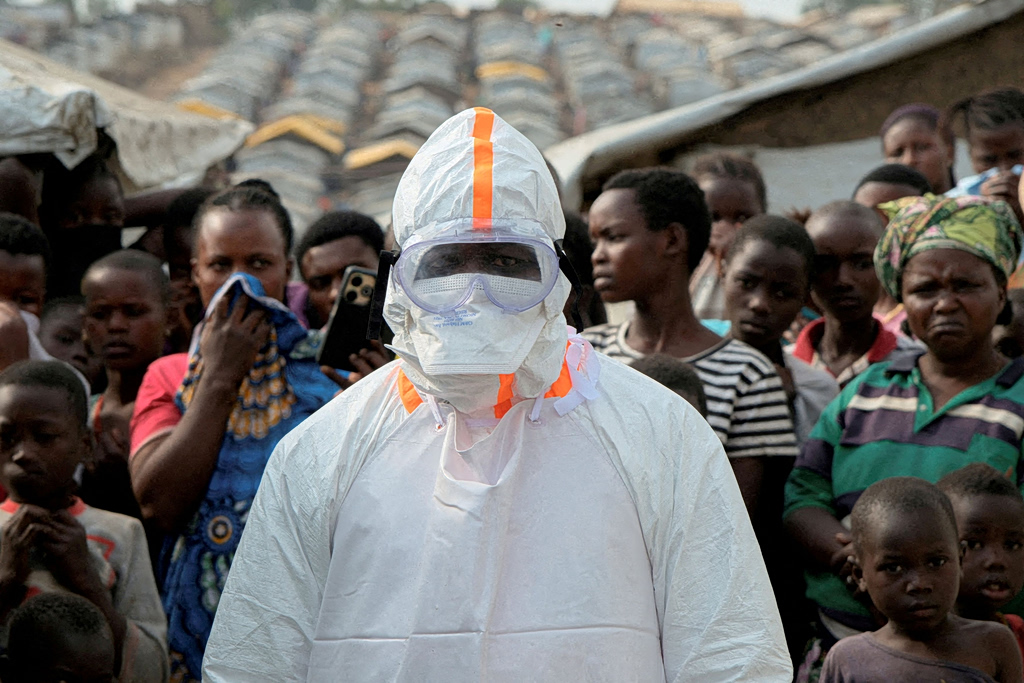
The Ebola outbreak in the Democratic Republic of Congo has become the second largest on record globally, with government data showing that cases have surpassed the country’s previous worst outbreak.

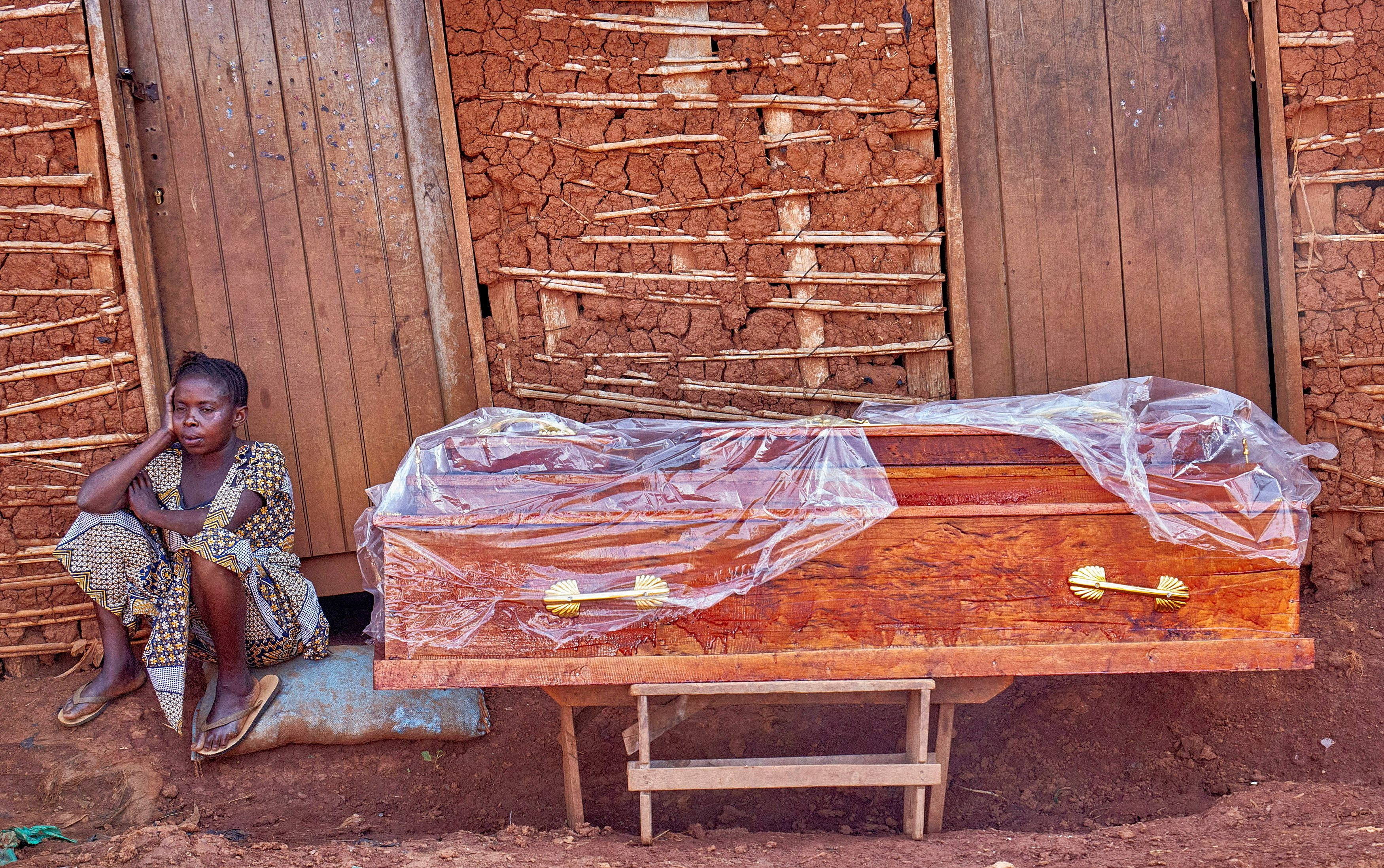
Congo reported 3,532 Ebola cases on Friday, exceeding the 3,481 cases recorded during the 2018-20 outbreak, according to the country’s communications ministry. The death toll has reached 1,556.

The outbreak has continued to spread as transmission outpaces efforts to control the disease.

Only the 2014-16 Ebola outbreak in West Africa was larger, with 28,616 cases and 11,310 deaths reported across Guinea, Liberia, and Sierra Leone, according to the World Health Organization.

Uganda Declares End to Latest Ebola Outbreak

Neighboring Uganda declared itself Ebola-free on Tuesday after its latest outbreak of the viral hemorrhagic disease infected 20 people and killed two.

Uganda’s Health Minister Chris Baryomunsi said the country had completed the required monitoring period following the discharge of the last Ugandan national infected with Ebola.

“The ministry of health maintained intensive surveillance nationwide and no new Ebola cases have been detected,” Baryomunsi said.

The latest outbreak, declared in mid-May, involved infections linked to the Democratic Republic of Congo, the epicenter of the wider epidemic. Fifteen people in Uganda’s outbreak were infected in neighboring Congo, where confirmed cases have now surpassed 3,000.

Uganda’s last Ebola patient, a Congolese national, was discharged on June 22. Baryomunsi said the country’s announcement followed the successful completion of the mandatory 42-day monitoring period that began after the discharge of the last Ugandan national, a locally transmitted case, on June 16.

Of the 20 confirmed cases in Uganda, 18 people recovered and were discharged, while two people died from the virus. Both fatalities were from the Democratic Republic of Congo.

Ugandan officials said the country’s experience handling previous Ebola outbreaks since its first epidemic in 2000 helped authorities bring recent infections under control quickly, with limited community spread.

Officials have warned that Uganda’s tropical forests, which are home to fruit bats that serve as natural reservoirs for the virus, leave the country vulnerable to recurring outbreaks.

Ebola spreads through contact with infected bodily fluids and tissue. Symptoms can include headache, vomiting blood, muscle pain, and bleeding.