 Μake us preferred on Google
 A closely watched meeting in Athens between the foreign ministers of Greece and Libya has resulted in an agreement to begin the process for delimitating exclusive economic zones between the two countries, who occupy direct opposite coasts in the eastern Mediterranean.
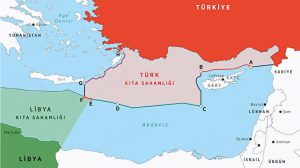
The development is deemed as significant because it means that the Libyan side, i.e. the internationally recognized provisional government based in Tripoli, is walking back from its position that its EEZ boundaries extend over hundreds of kilometers all the way to within six nautical miles of any Greek territory. The latter view emanated from a controversial 2019 agreement between the Tripoli-based government and Turkey, which claimed to delimitate maritime zones between them by “erasing” all Greek islands, including large Crete, from the map.
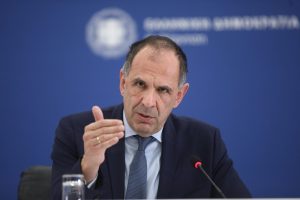
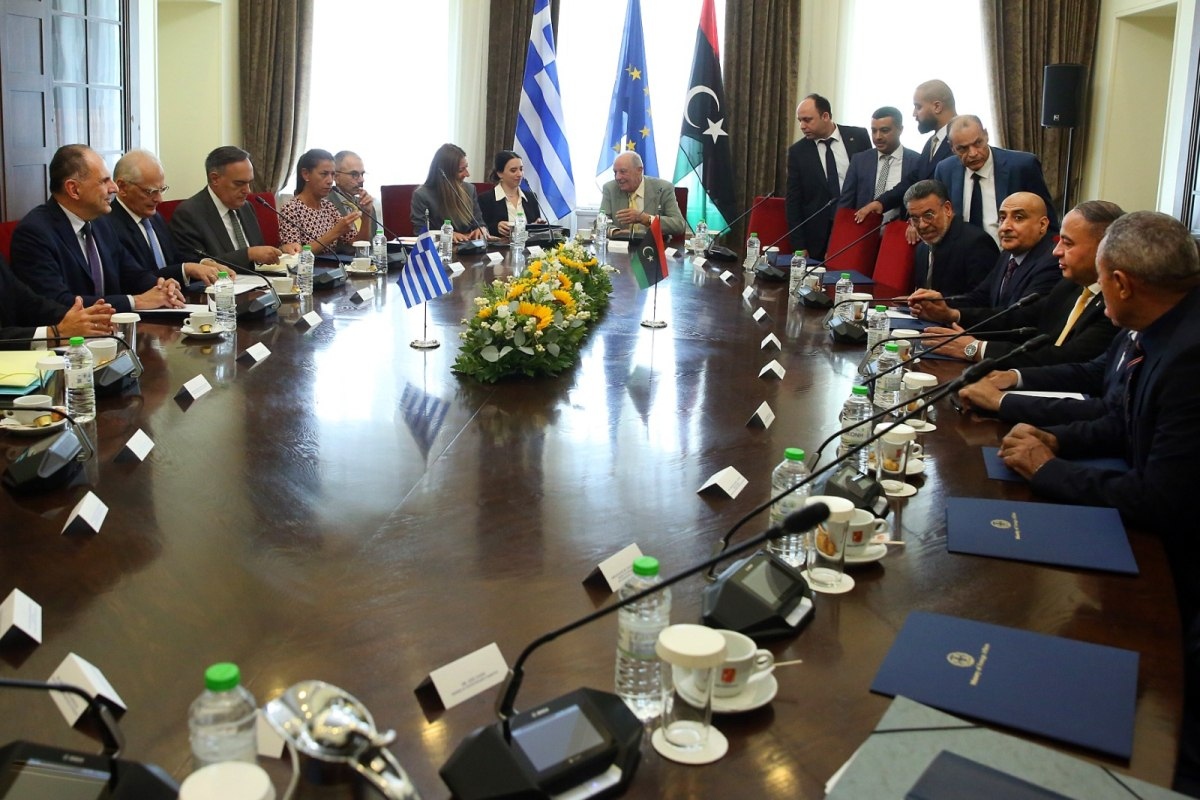
The meeting in Athens on Wednesday between George Gerapetritis and acting Libyan Foreign Minister Taher Salem Al Baour came after talks in Libya last July, with the joint statements at the time referring to “agreement to deepen bilateral relations.”
FM George Gerapetritis meets tdy @GreeceMFA the Acting FM of the Government of National Unity of Libya, Taher Salem Al Baour
Συνάντηση ΥΠΕΞ Γιώργου Γεραπετρίτη με τον ασκούντα χρέη ΥΠΕΞ της Κυβέρνησης Εθνικής Ενότητας της Λιβύης, Taher Salem Al Baour pic.twitter.com/fCjiVHPukv
— Υπουργείο Εξωτερικών (@GreeceMFA) September 17, 2025
Speculation gave way to real progress on the day as a meeting took place between members of either side’s technical committee, the latter tasked with delimitating maritime zones.
The next such meeting will take place in Tripoli.
Just as significant, both ministers discussed boosting cooperation to take the problem of migrant trafficking emanating from eastern Libya and targeting Crete.
Along these lines, Gerapetritis said Greece is ready to continue offering training to Libyan coast guard personnel.
Beyond the two issues that have dominated headlines over the recent period, both sides appear to have “broken the ice” of previously frigid relations, as the two ministers exchanged views on further strengthening bilateral relations in the fields of economy, energy, transports and construction.
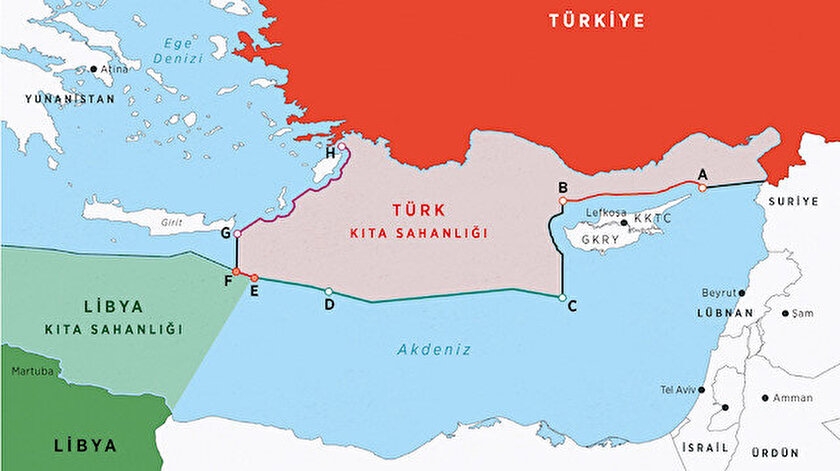
A map showing delimitated exclusive economic zones (EEZs) between Turkey and the provisional government in Tripoli, which Athens and the EU consider as baseless and illegal.
They also expressed their readiness to launch direct air links between Athens and Tripoli and agreed to organize a Greek business mission to Tripoli in the autumn. In concluding, Gerapetritis again stressed the need to respect international law, including international maritime law, and reiterated the Greek and EU position regarding the illegal and baseless Turkish-Libyan memorandum.