 Μake us preferred on Google
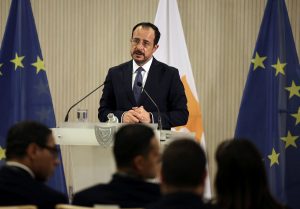
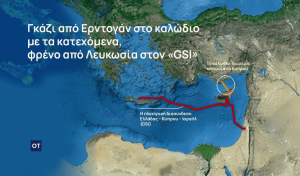
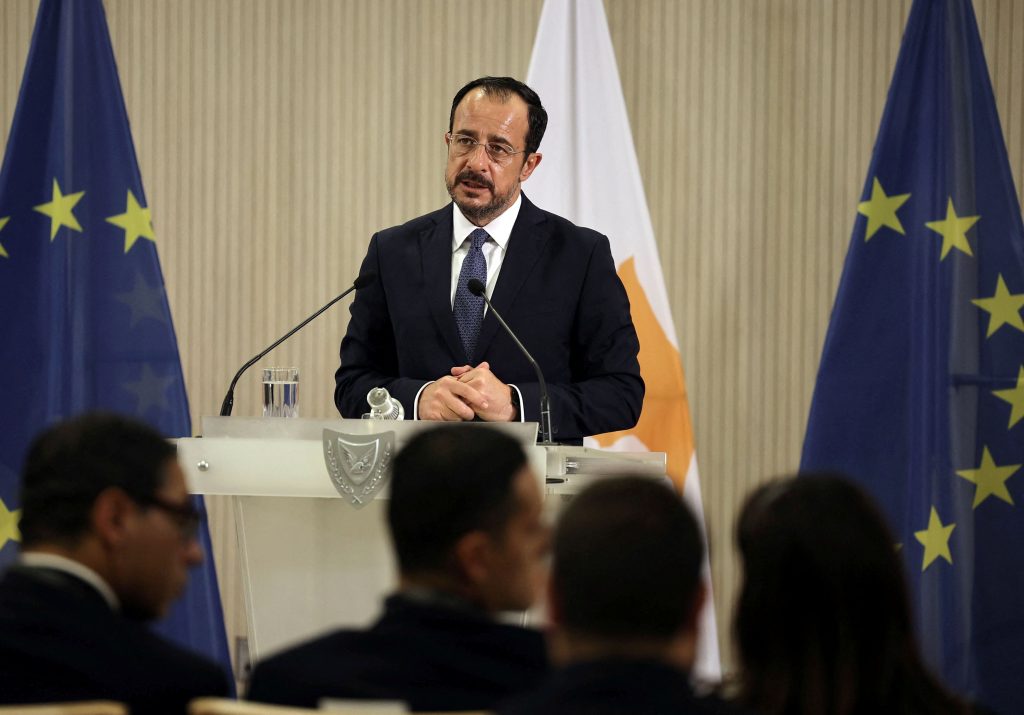
 Cyprus President Nikos Christodoulides reaffirmed, his country’s commitment to the long-anticipated Greece–Cyprus electricity interconnection project, on Monday, August 8. Christodoulides called the project a matter of geostrategic importance while stressing that Nicosia will honor every obligation it has undertaken.
Speaking to reporters in Cyprus, Christodoulides expressed hope that all parties involved would follow through on their promises. “I want to repeat it once again—for Cyprus to hear it, for Greece to hear it, for Brussels to hear it, for anyone who has an interest in this project to hear it. The Republic of Cyprus is fully committed to this undertaking of geostrategic significance,” he said, responding to recent remarks by Greek Prime Minister Kyriakos Mitsotakis, who had highlighted Nicosia’s mixed signals regarding the project.
At the Thessaloniki International Fair, Mitsotakis addressed growing doubts over the Great Sea Interconnector stating: “Cyprus is the main beneficiary of this project, and Greece moved quickly to advance it in order to support them,” he noted, adding: “I will do everything in my power to ensure there is alignment from the Cypriot government for the project to move forward. But Nicosia must also demonstrate that it truly wants this project to happen.”
According to Cypriot outlet SigmaLive, Christodoulides highlighted that Cyprus’ commitment is not just rhetorical but also reflected in international initiatives. He recalled his recent visit to the United Arab Emirates, accompanied by the foreign minister, where he met with the UAE President to discuss potential cooperation through a joint company and possible investments that could support the project’s implementation.
He underlined that both Cyprus and Greece have made specific pledges and assured that Nicosia will keep its word. At the same time, he voiced his expectation that all stakeholders will do the same.
Finally, the Cypriot president touched on the issue of national sovereignty linked to the project, making it clear he does not intend to engage in public disputes that, as he put it, “do not help” and could jeopardize the country’s national interests. “It is important to say less and do more,” he remarked pointedly.